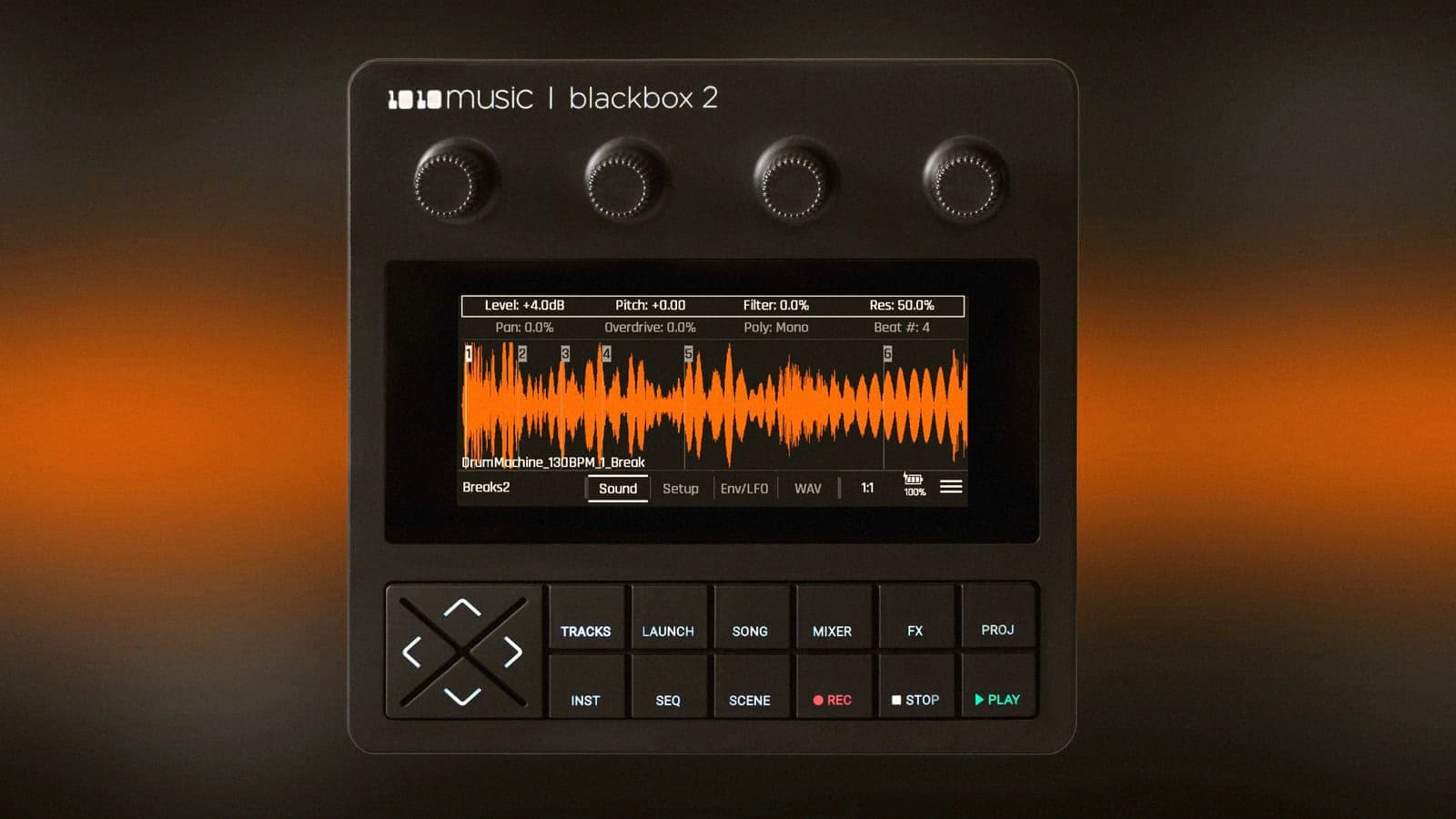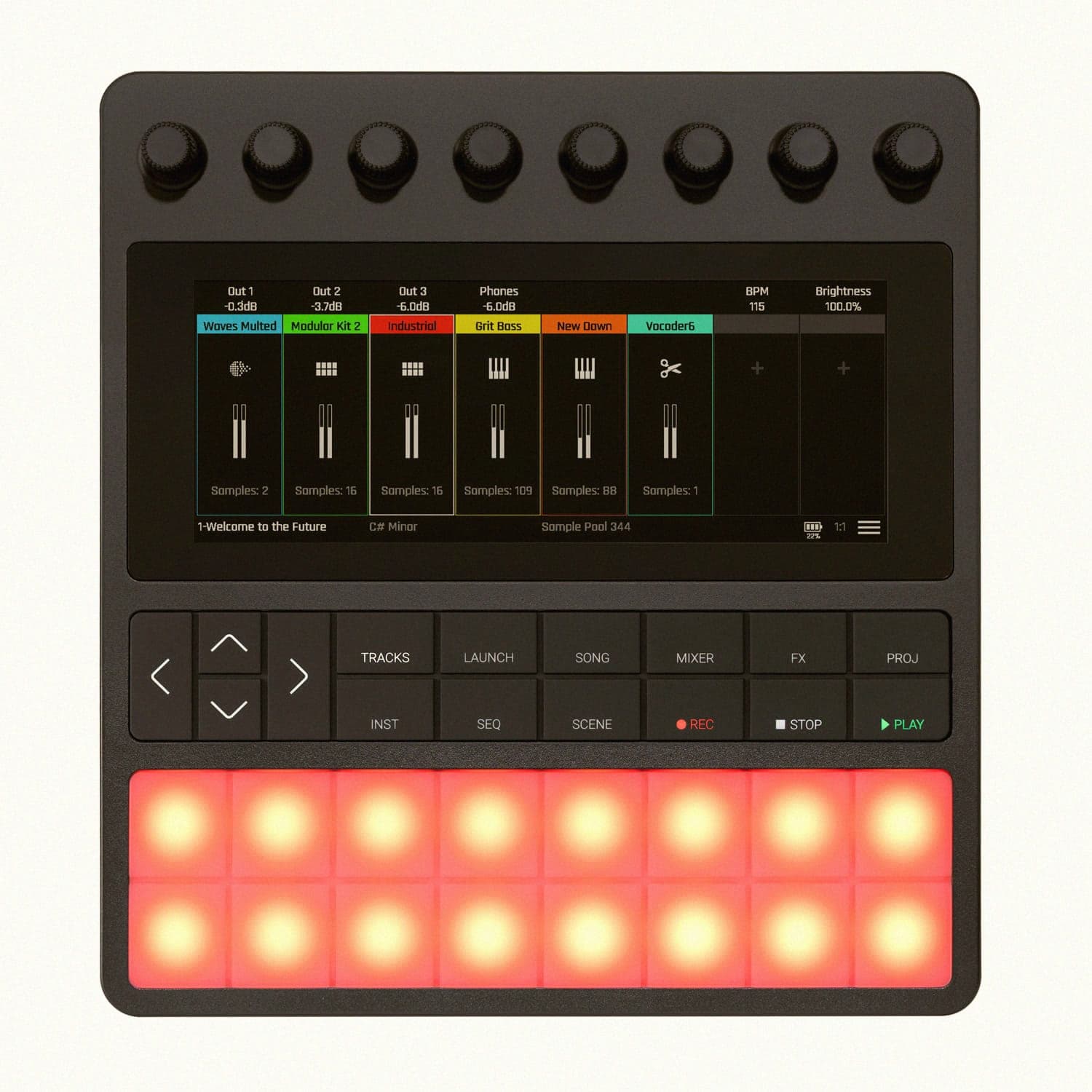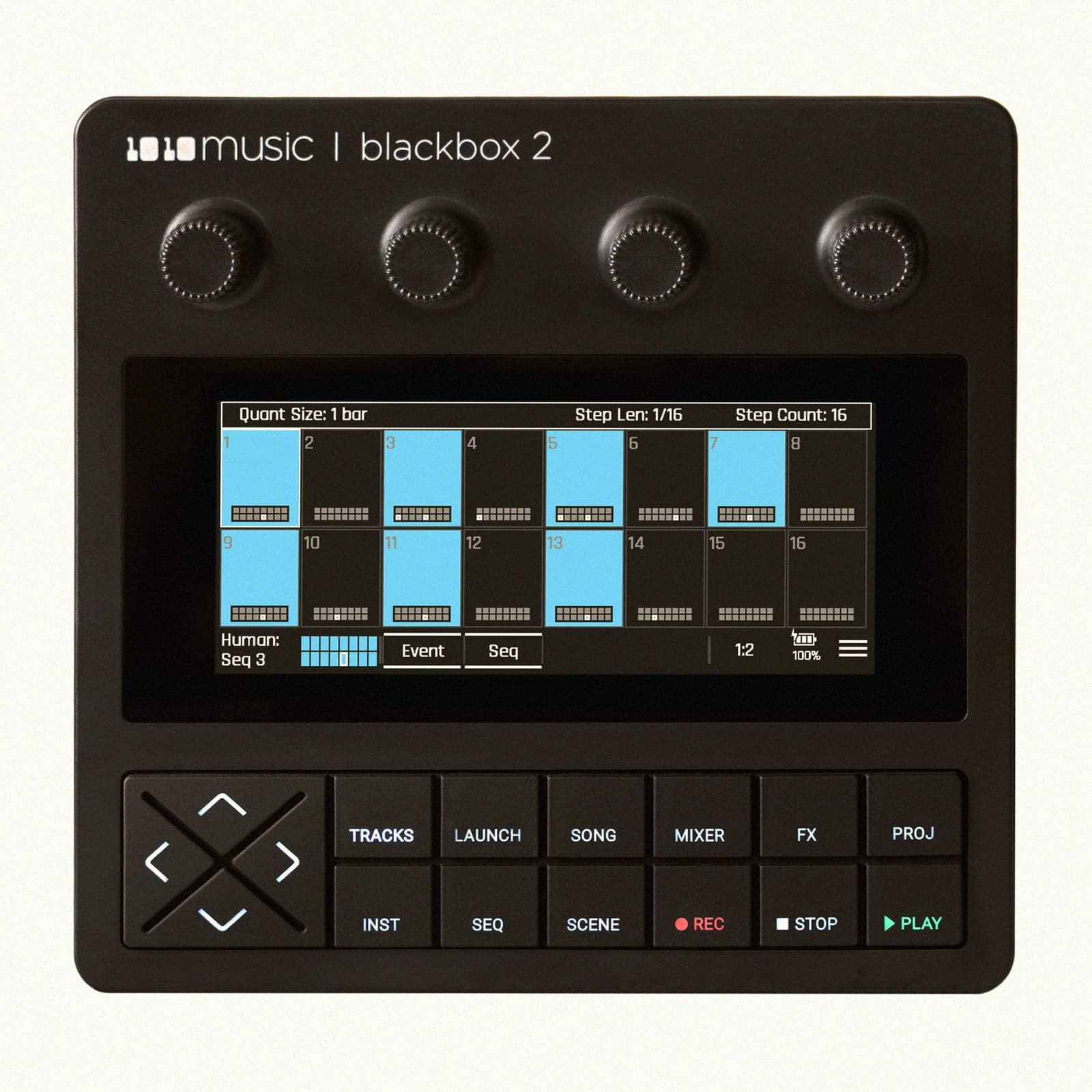
Ten years ago 1010music was a small Colorado outfit building compact samplers for people who wanted to track music outside a laptop. On October 11, 2026, its self-declared "1010 Day" anniversary, the company marked the decade by handing its two flagship samplers, the Blackbox 2 and the Bento, a firmware update that reads less like a bug-fix patch and more like a studio feature list.
What actually landed in the update?
Blackbox 2 firmware 1.1.0 and Bento 1.6.1 both add sidechain compression, the pump effect that defines house and techno mixdowns, with a visual envelope so producers can see the ducking curve rather than guess at a knob. It can be triggered off incoming audio, a pad hit, an external MIDI note, or clock, which covers the usual kick-ducks-bass routing and the more creative pad-triggered tricks.
The other headline addition is stem recording: instead of bouncing a single stereo mix off the hardware, the sampler now exports a separate WAV file per track, ready to drag into Ableton, Logic or whatever DAW finishes the job. For anyone who tracks drums or a full arrangement on a Blackbox 2 before mixing on a laptop, that turns the sampler into a proper multitrack recorder rather than a one-shot mixdown box.
Around those two, both machines pick up sequencer automation with parameter scaling, 16 scenes for storing and recalling full project states, a shimmer reverb, a record-from-anywhere mode, and MIDI remote control of hardware parameters.
Why give this away for free?
Sidechain compression with a visual envelope and per-track stem export are features you'd expect to pay for on a dedicated multitrack recorder, not get as a free download on a $649 sampler.
That is the real story here. The Blackbox 2 sells for $649 / €759, the Bento for more as 1010music's higher-end sampling workstation, and this update doesn't ask existing owners for a cent. Every current Blackbox 2 and Bento owner gets the download regardless of when they bought the unit, which means the feature gap between a standalone groovebox and a laptop-tethered studio rig just got noticeably narrower, at no extra cost to anyone who already owns the hardware.
Who actually benefits from this?
Producers who build loops and drum patterns on a Blackbox 2 away from a screen are the clearest winners: stem export means the hardware sketch can go straight into a full mix session without re-recording anything. Live performers get the sidechain tool and the 16 scenes, letting a set move between fully arranged sections without touching a laptop at all.