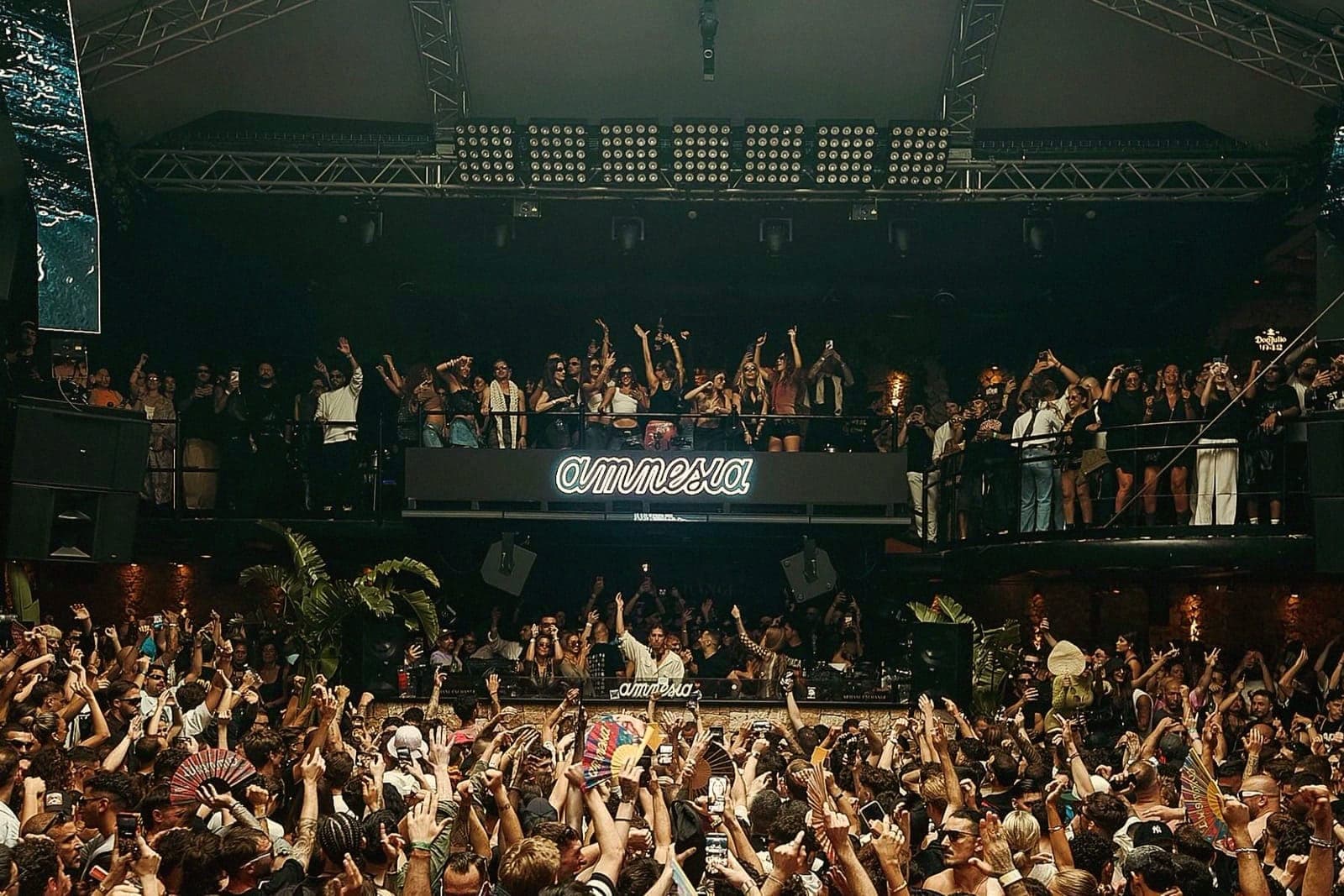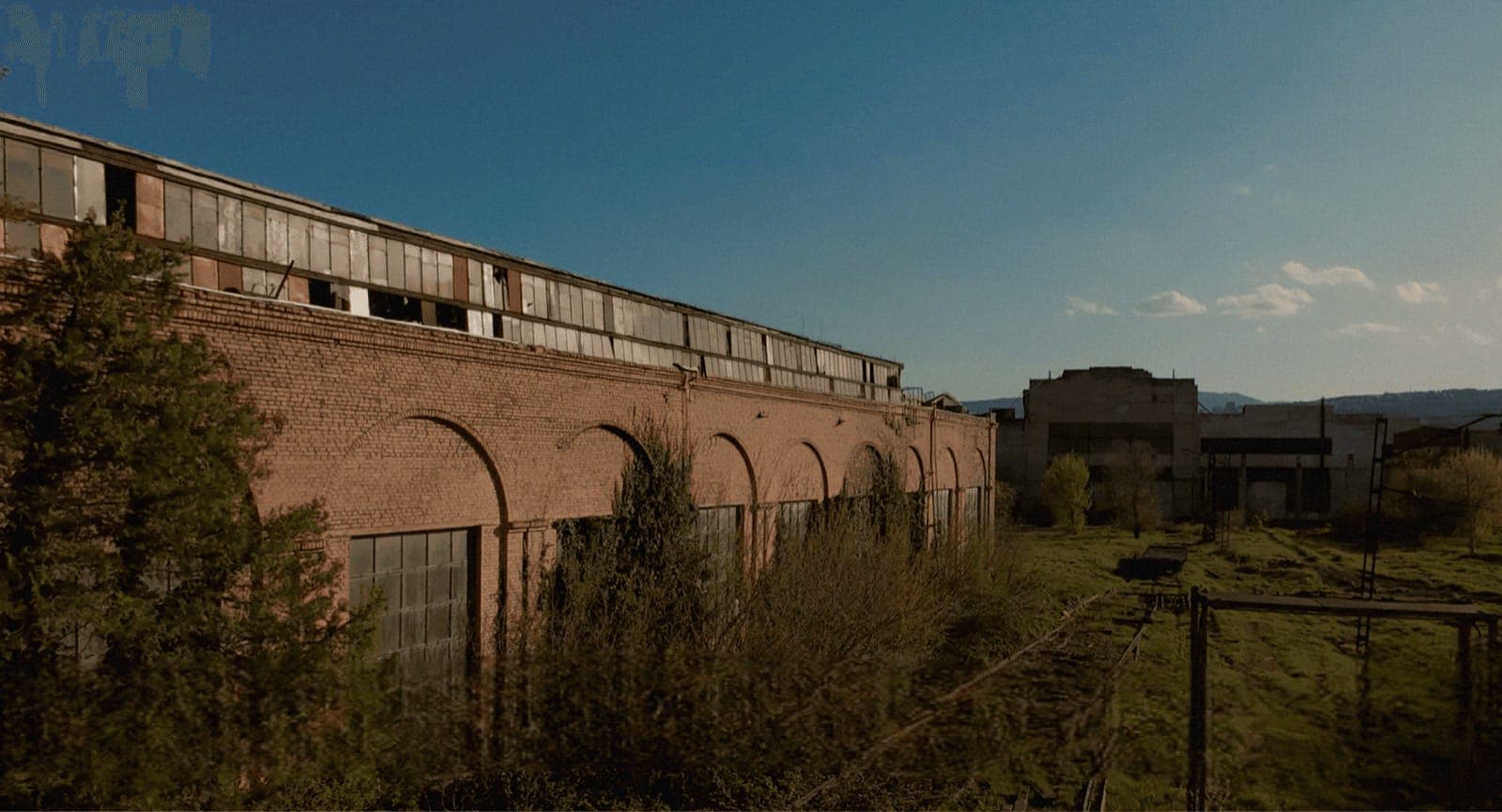
Fifteen years ago, a crowd of about 1,000 people gathered in Tbilisi to say goodbye to a DJ. Gio Bakanidze, one of the Georgian capital's pioneering electronic music figures, had just died, and his friends did the only thing that made sense to them: they booked his favourite artist, German minimal techno figurehead Michael Mayer, and threw a party in his name. That party is now called 4GB, and this weekend, October 2 to 4, it returns to Loco Park in Tbilisi for its 2026 edition, per Resident Advisor and the festival's own site.
Mayer was the only non-Georgian act on that first 2011 lineup. He has closed every single edition since, a detail the festival still leads with on its own history page: fifteen years of one promise kept. Around that constant, 4GB built out from a one-night wake into what its organisers now call, without much exaggeration, the major electronic music festival of the Caucasus region. Red Bull Music Academy ran a stage there in 2016; past lineups have carried Jeff Mills, Seth Troxler, Ricardo Villalobos and Larry Heard. Georgia's techno world, anchored around clubs like Bassiani, has a global reputation for intensity and for fighting for its right to exist; 4GB is the annual gathering where that scene marks its own continuity.
Why did the festival cancel itself in 2024?
The clearest proof that 4GB is more than a lineup poster came in May 2024, when the team pulled the plug on that year's edition entirely. Georgia's parliament had just passed a 'foreign agents' law modelled on Russian legislation, triggering mass protests in Tbilisi that were met with riot police, water cannon and tear gas. 4GB's organisers posted that holding a festival felt 'unjustified' given the situation, adding: "Our full support to every person fighting for the European future of Georgia." A festival willing to cancel its own biggest night of the year, built on a dead friend's memory, rather than look away from what was happening in the streets outside, is not treating the event as a product. The 2026 return, after a 2025 edition at Radio City, is the clearest sign yet that the institution survived the moment it chose principle over revenue.
What does the 2026 lineup look like?
This year's bill leans into the regional identity 4GB has spent fifteen years building: 3AM, Third Soul, 98dots, Ada, Bacho, Boya, Boyd Schidt and Carmen Electro headline a programme at Loco Park that runs Friday night through Sunday afternoon. Tickets are priced 150 to 250 Georgian lari (roughly 50 to 85 euros) and the event is 18+. It is a smaller, more local-facing lineup than the Troxler/Villalobos years, but that is arguably the point: 4GB has never needed imported headliners to matter to the people who built it.
"The will and unity of like-minds can turn a small memorial party into the major festival of the region."
That line, from the festival's own about page, is not marketing copy so much as a mission statement fifteen years in the making.
Why it matters
Most regional techno scenes outside the Berlin-London-Detroit axis fight for international attention through imported headliners alone. 4GB did it by turning grief into an institution, then defending that institution's values hard enough to cancel it rather than compromise, and still came back. That's a harder trick than booking a big name, and the Caucasus techno scene's international profile now runs through it.
What we think
A festival that cancels itself in solidarity with street protests, then rebuilds and returns two years later, has earned more credibility than most Western festivals with ten times the budget and none of the spine. 4GB is proof that scene history and political history are often the same story in places where clubbing has never been apolitical.