Afro house didn't build its momentum in roped-off rooms. In the UK it grew through community radio, word-of-mouth party series and DJs trading edits, a slow climb from niche sets to a genre MIDiA Research and Splice named their 2026 genre of the year. ACASO is what happens when that momentum meets a business plan built on scarcity and a dress code.
What exactly is ACASO?
ACASO started as a London night in 2025, founded by Aaron Murrell and Archie Burnett after Murrell caught an Afro-house set at Club Coya in Marrakech in 2024 and couldn't shake it. They soon brought in DJ Don Huell as a third partner, and with him came Cooba, his clothing brand, and the luxury-led visual language that now defines ACASO: deep red decor, LED visuals, a strict dress code. Don Huell describes the pitch bluntly: "People know they'll hear something they've never heard before... ACASO embodies it, because it's true to my core."
How did one London night become a four-country brand in under two years?
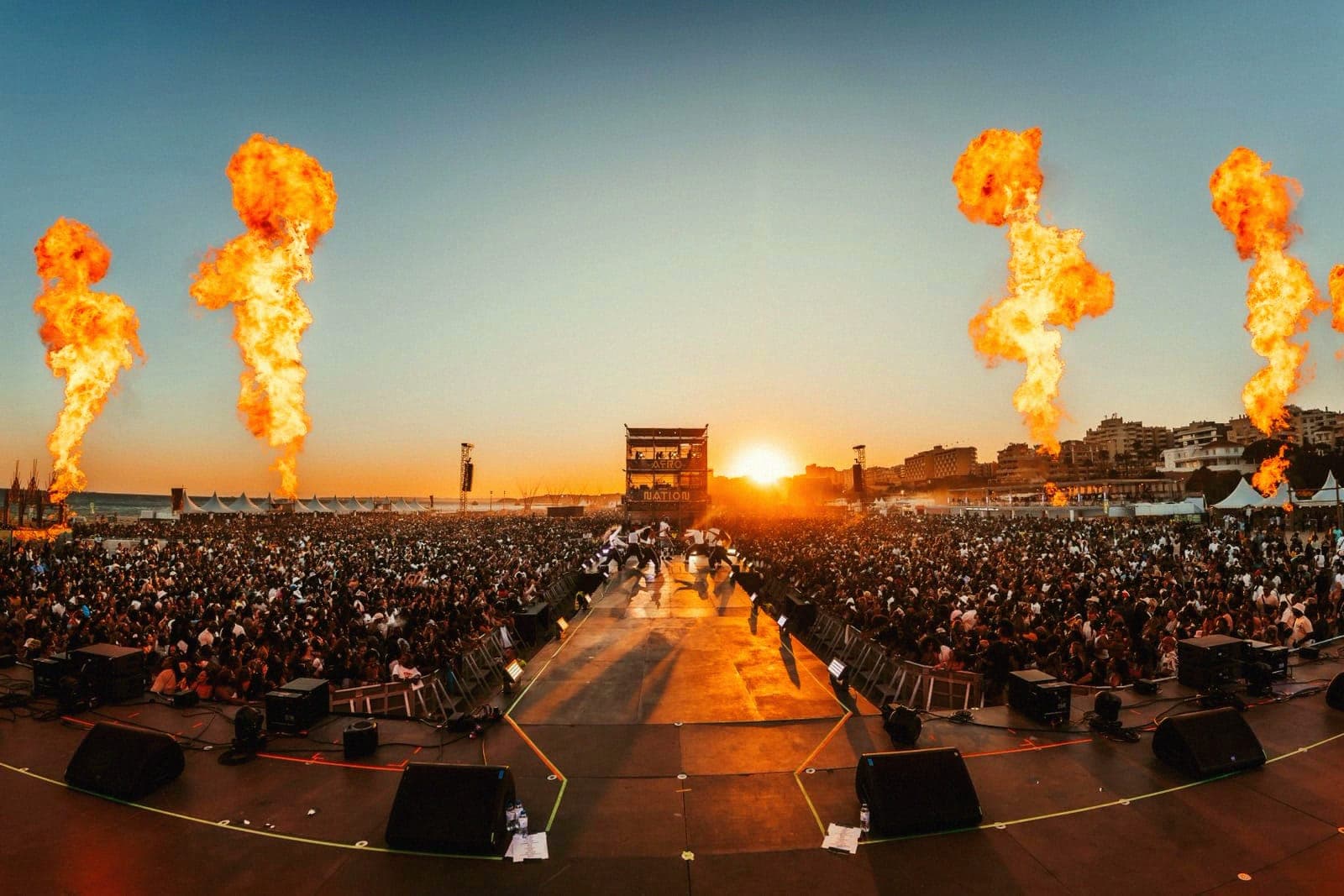
The expansion has been fast even by nightlife standards. ACASO built its base at London rooms including club 77 in Marylebone and Mistress Of Mayfair, then marked its first anniversary with a launch event at Outernet in May 2026. From there it moved into Manchester and, in the same month, into Marbella, working prominent rooms there including Newscafe, VUDU and Mogli. The Ibiza debut came over summer 2026 at Nocturna, a new 380-capacity club beneath the Los Felices hotel in San Antonio built around a no-phones policy and, per its operators, four pillars of "sound, service, design and community." ACASO's next stop is a return to London's Reign on September 27, with Amsterdam, Gothenburg, Stockholm, Mykonos and eventually New York on next year's list.
"ACASO's popularity comes from bridging a gap, bringing a luxury crowd to venues they might not otherwise go to.", Archie Burnett, co-founder
Is this healthy growth for Afro house, or the sound getting sold back to a different crowd?
Here's the tension worth sitting with. Afro house's UK scene spent years fighting for space and against being mislabelled as UK funky or swallowed by amapiano's faster rise, building its own infrastructure of community radio, residencies and grassroots party series along the way. ACASO isn't making the music, it's packaging the party around it, and it's doing that packaging with the exact mechanics underground scenes usually organize themselves to avoid: DM-only tickets that function as a guest list, a dress code that filters who gets in, and a growth story measured in Instagram and TikTok followers rather than DJ bookings or producer output. ACASO's own material describes itself as "a global community aligning cultures through sound, motion, and energy," which is the kind of language every genre-as-lifestyle brand reaches for once the demand curve bends upward. None of that makes the parties fake, and a scene that can command premium rooms in four countries is, by one measure, winning. It just isn't the same win as more studio time, more label deals or more DJs getting paid what European tech house and techno bookers already command.