What's forcing Addis Ababa's venues to close?
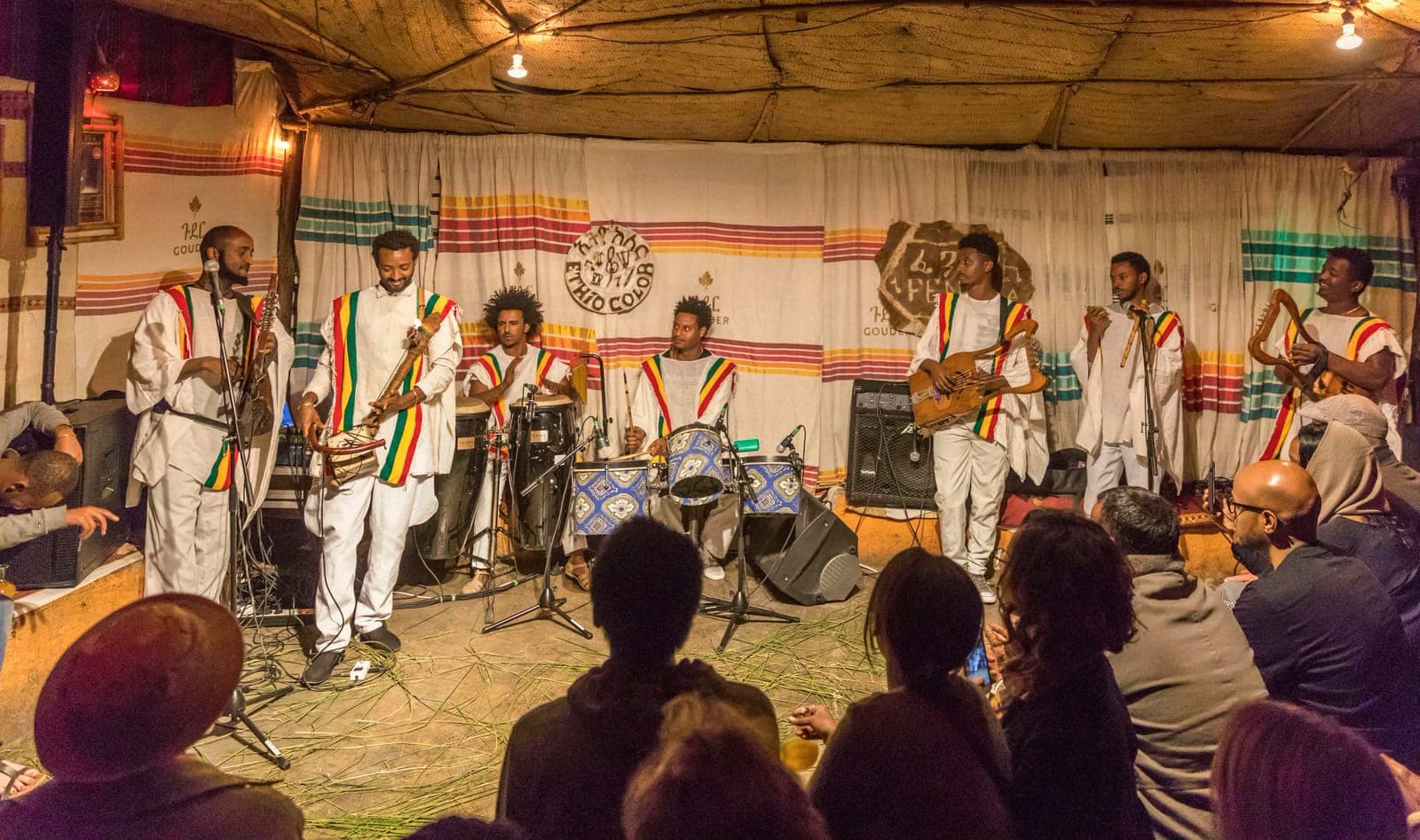
Addis Ababa's live-music circuit, built for decades around the azmari bet (the traditional Ethiopian venue for live folk music and dance) and the hotel-lobby band, has been shrinking fast for the past half-decade, per OkayAfrica. Rent and redevelopment, not falling demand, are doing the damage. SHIFTA, an Afro-Caribbean restaurant and community space, shut its doors in 2023 as operating costs and rent climbed past what the business could carry, according to co-founder Feben Kassaye. Kebelezero had it worse: the space opened in February 2024 and was gone six weeks later, cleared for redevelopment, its founders Robel Yohannes and Akilas Solomon told the outlet.
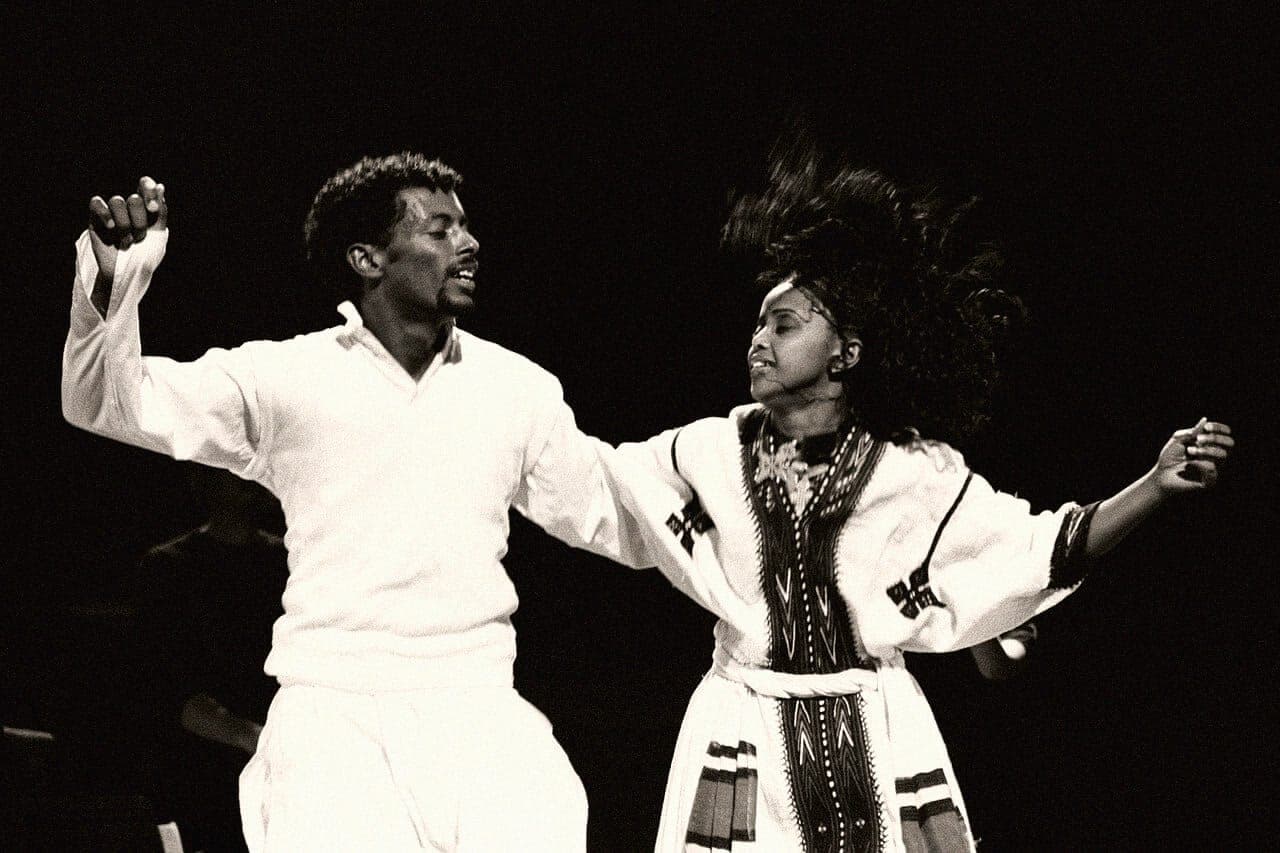
Even the city's flagship couldn't hold its ground. Fendika Cultural Center, the best-known azmari and cultural venue in Addis Ababa, founded by dancer and choreographer Melaku Belay, was pushed out of its Kasanchis home after 17 years and now operates inside the Hyatt Regency Hotel in Bole. A cultural institution surviving only by moving into a hotel compound says everything about how hostile the real-estate math has become for a standalone room built purely for live performance.
Why are DJs inheriting what's left?
Here's the pattern running under all of it: the venues that keep opening, and keep surviving, aren't dedicated concert halls. They're 'third spaces,' cafes, retail shops, hotel compounds, that fold music into a business that also serves coffee or sells design objects. And inside that model, DJ sets and electronic nights are winning out over live bands, because a DJ booth needs a fraction of the square footage, staffing and gear that a live band circuit does. That's the shift OkayAfrica documents across the city: not that live music is being replaced by a different kind of live music, but that the format able to survive the rent crisis is the electronic one.
Fabrica, a cafe-and-music space that opened in late 2025, is the clearest statement of that bet. Co-founders Abiy Solomon and Selam Minaye built the room around sound first.
"Music is the centerpiece, not an afterthought."
Who's building the new circuit?
The list of spaces now carrying Addis Ababa's night-time scene reads like a map of the third-space model. Hanu Bet opened in 2021 inside a hotel compound and evolved from a design retail shop into a community and music space under co-founder Haymanot Honelgn. Moseb Music Center, run by musician Tasew Wendim, and The Lab, organized by Yohannes Hadish, are folding DJ programming into spaces that weren't built as venues. Venue Warehouse, owned by Della and Gigi, and independent collectives like Ethiopian Records and Hager Soul, co-founded by Yohana Sahle, round out a circuit that looks nothing like the azmari bets it's replacing.
None of this is a scene choosing electronic music over live bands for taste reasons. It's a scene choosing the format that can still pay rent.