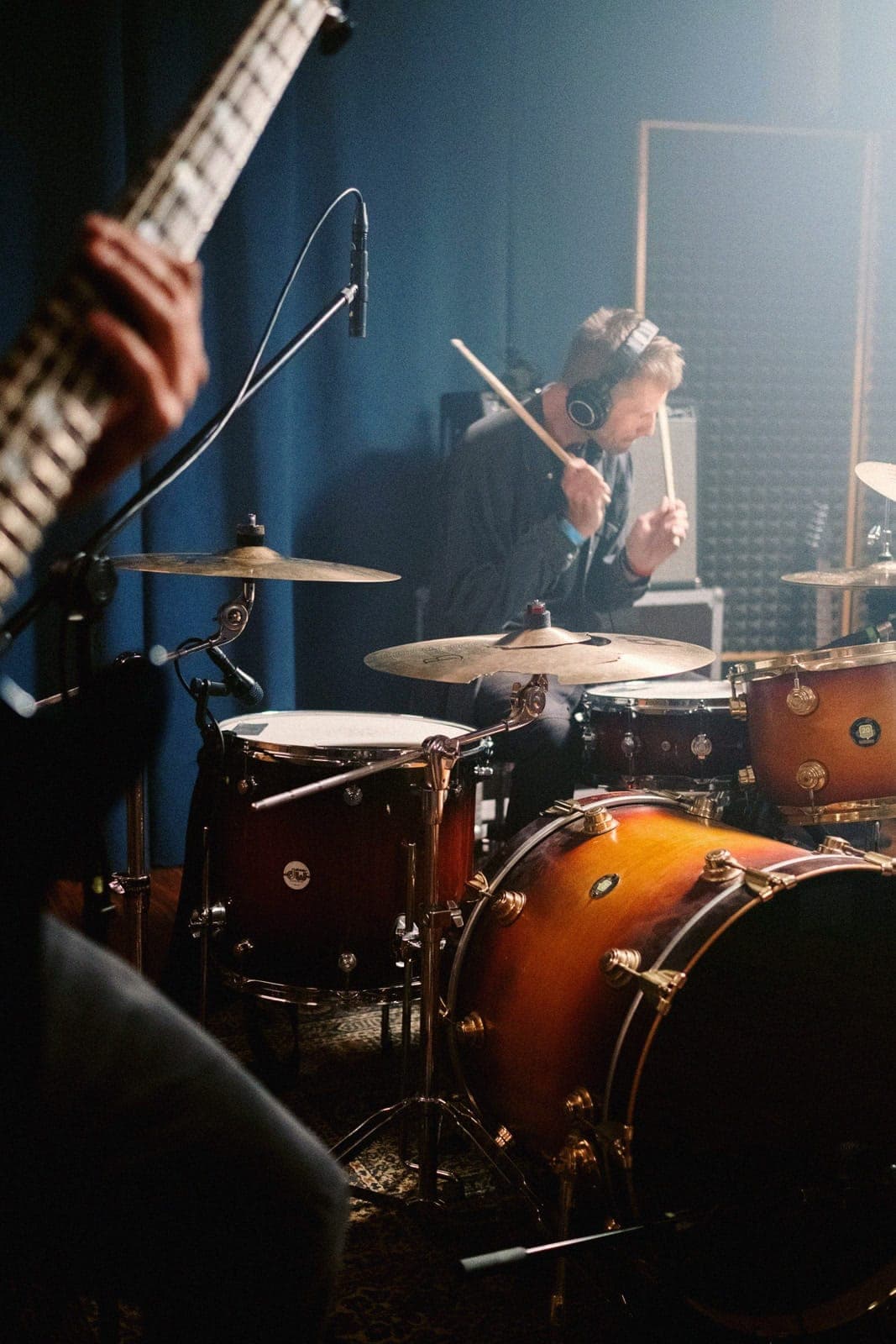
Universal Music Group and Warner Music Group cut two of the biggest deals in the AI-music era last year, licensing their catalogs to Suno and Udio for what is reported to be well over half a billion dollars combined. The session musicians who actually played guitar, bass, drums and keys on the records inside those catalogs say they haven't seen a dollar of it, and their union wants a federal judge to make the labels pay.
What is the AFM actually arguing?
The American Federation of Musicians, the union representing session and studio musicians across the US recording industry, filed suit against Universal and Warner on June 5, 2026. Its case rests on Article 21(a) of the Sound Recording Labor Agreement, the union contract that governs how labels can pay and reuse recordings made by AFM members. The AFM argues that licensing a recording to an AI company so it can train a model on that performance is exactly the kind of reuse the SRLA was written to cover, and that the labels owe musicians additional compensation they never paid out.
Universal and Warner disagree. On September 11, 2026, both majors filed their closing written answers asking the court to end the case outright, according to Music Business Worldwide. The AFM had filed its opposition a week earlier, on September 4, laying out why it believes the settlements breach the union agreement. Judge Ramos is now reviewing both sides' filings in the Southern District of New York, with no ruling reached as of publication.
Why didn't the musicians get a cut?
The money at stake is not small. Warner's settlement with Suno, struck in November 2025, is reported at around 500 million dollars. Universal settled with Udio the previous month, in October 2025, on undisclosed terms. Both deals let the AI companies keep training on and generating music derived from the labels' back catalogs, in exchange for licensing fees and, in some cases, equity.
The musicians whose actual playing built those catalogs were not party to either negotiation. That is the core of the AFM's complaint: the labels own the master recordings and can license them, but the union contract was supposed to guarantee musicians a piece of the pie whenever a recording gets a new commercial life. AI training, the union argues, is precisely that kind of new life, and treating it as a free pass for the label sets a precedent that could extend to every session player whose work sits in a major's vault.
The dispute isn't about whether labels can license catalog to AI companies. It's about who gets paid once they do.
Does this fit a wider pattern?
It does. Courts elsewhere are already treating unlicensed AI training on recorded music as copyright infringement, not a grey area. In July 2026, a Munich court ruled that Suno had infringed copyright by training on songs protected by the German collecting society GEMA without a license, ordering the company to disclose its revenue, pay damages and stop using those recordings for training going forward. That ruling didn't touch the AFM case directly, but it shows a live legal appetite in courts on both sides of the Atlantic to force AI music companies, and the labels that license to them, to account for exactly whose work is being monetized.
What happens next?
With both sides' final written arguments now filed, the case sits with Judge Ramos. A ruling could uphold the settlements as written, send the labels back to the negotiating table with the AFM, or open the door to musicians claiming a formal share of AI licensing revenue going forward, a question that reaches well beyond Universal and Warner's rosters into every label that has done or will do a similar deal.