Afro house has been building for years, but 778% is not a gradual climb. That figure, from Splice's own download data comparing 2024 to 2025, is a rupture. It moved from 760,355 downloads to 6,674,943 in twelve months. MIDiA Research and Splice jointly named it the Sound of 2026 in January. And it is now the second most downloaded genre on the platform, sitting only behind tech house, having been ranked 10th just two years ago.
This is not a genre inching toward the mainstream. It has arrived.
What does 778% actually mean for afro house's trajectory?
The headline number is striking enough that it risks being treated as a novelty stat rather than a structural signal. But the context makes it harder to dismiss. Afro house did not surge from a marginal base: 760,355 downloads in 2024 was already a serious number for a genre the wider industry still treated as niche. The 2025 figure is nearly nine times that.
What this reflects is a feedback loop. The genre was already gaining traction in Europe and Latin America through the streaming numbers on platforms like Spotify and Apple Music, where artists from the Afro Brothers to Da Capo had found international audiences without mainstream label backing. Splice sits one step upstream from streaming: its users are producers building the next batch of tracks. When producers flood toward a genre's sample packs and drum loops, the releases that follow amplify in the same direction. The 778% is not a consumer trend; it is a production decision made by tens of thousands of bedroom producers simultaneously.
MIDiA Research's call in January 2026 was not a prediction, it was a recognition. The data had already moved.
Why Istanbul? What is it about this city that makes it a production hub for afro house?
The geographic surprise here is real. Lagos is the obvious origin city. Cape Town has Black Coffee, Culoe de Song, and a deep institutional relationship with the genre. Johannesburg has the club infrastructure. Istanbul should not be anywhere near this list.
But geography is the answer, not the problem. Istanbul sits at the exact intersection of European club culture, which has absorbed afro house through the Ibiza and Berlin festival circuits, and a deep local tradition of Anatolian and Balkan percussion. Turkish rhythmic structures, particularly the asymmetric patterns in Balkan folk music and the polyrhythm embedded in Anatolian folk traditions, share more DNA with afro house's percussive architecture than the four-four rigidity of most European electronic genres. Producers in Istanbul are not appropriating afro house; they are finding that their own musical inheritance slots into it with unusual comfort.
The city also has a young, technically capable production community that grew up on European club culture through illegal raves and a thriving underground scene in the 2010s, and that community now has access to the same Splice libraries, the same DAWs, and the same distribution infrastructure as producers anywhere else. Istanbul beating Dubai and Tel Aviv in the fastest-growing production cities ranking is not an accident; it reflects a particular combination of sonic heritage and structural access.
What does Tomorrowland building a dedicated Afro House stage signal about where the genre sits now?
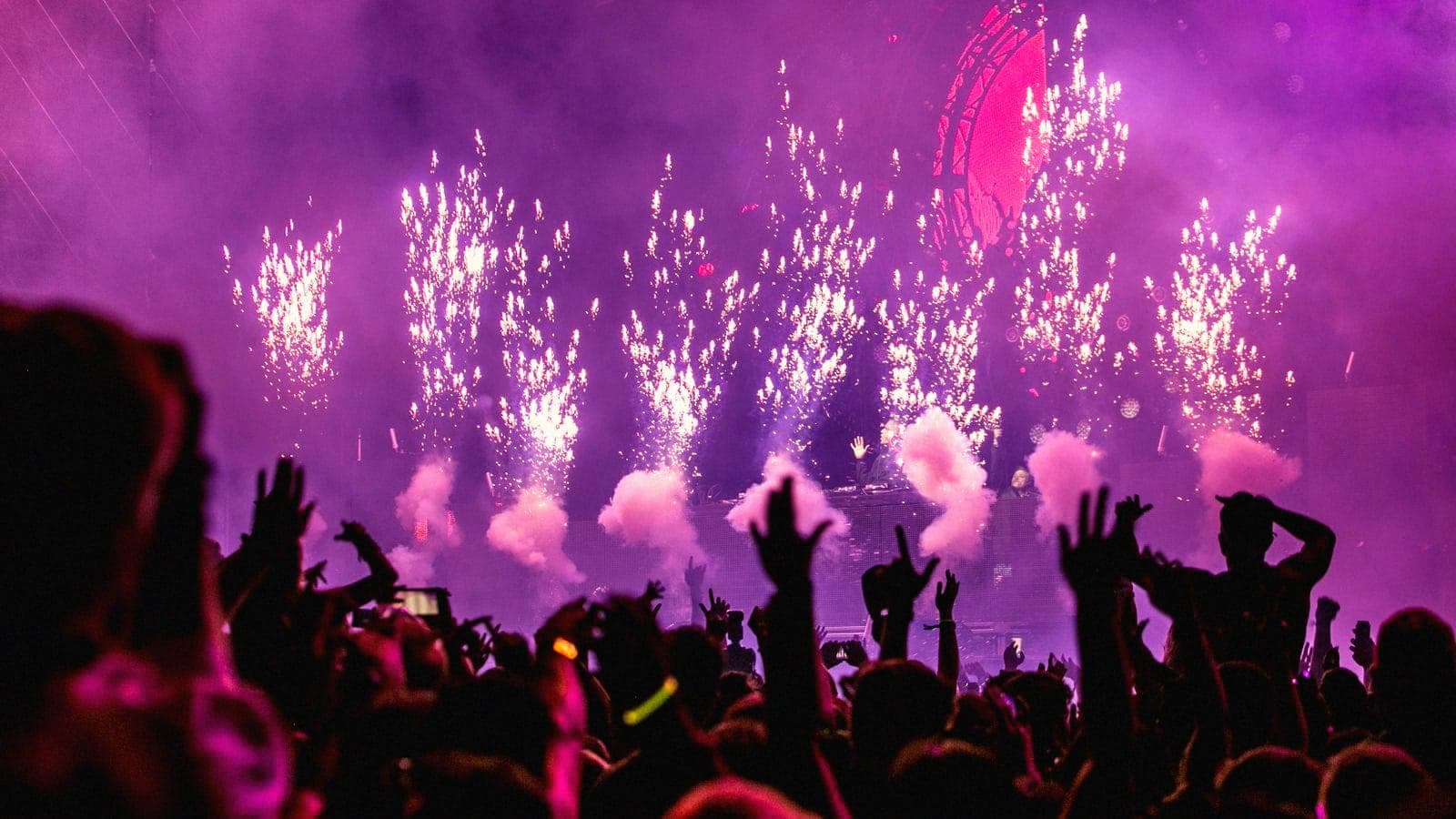
Tomorrowland is a useful barometer precisely because it is not an underground festival. It is the largest ticketed dance music event on the planet, and its programming decisions follow money and demand with a lag of about two to three years. The fact that it built a dedicated afro house stage for 2026 means the festival's research team saw the trend in 2024 and committed to it well before the Splice numbers confirmed it publicly.
Tomorrowland does not take risks on dedicated stages. A dedicated stage is an infrastructure investment, not a booking experiment.
The more interesting question is what this does to the genre itself. Underground scenes tend to bifurcate when festivals at this scale adopt them: a harder, more resistant core continues on smaller circuits while a softer, more accessible version becomes the festival staple. Afro house has enough rhythmic specificity that this bifurcation may be less damaging than it was for tech house, which became largely unrecognizable after its mainstream adoption. But the pressure is real. Producers in Istanbul, Lagos, and Cape Town watching the Tomorrowland booking will understand clearly that the commercial ceiling for this sound has just been raised. Some will chase it; others will move deeper. Both choices are rational, and both will shape what afro house sounds like in 2027.