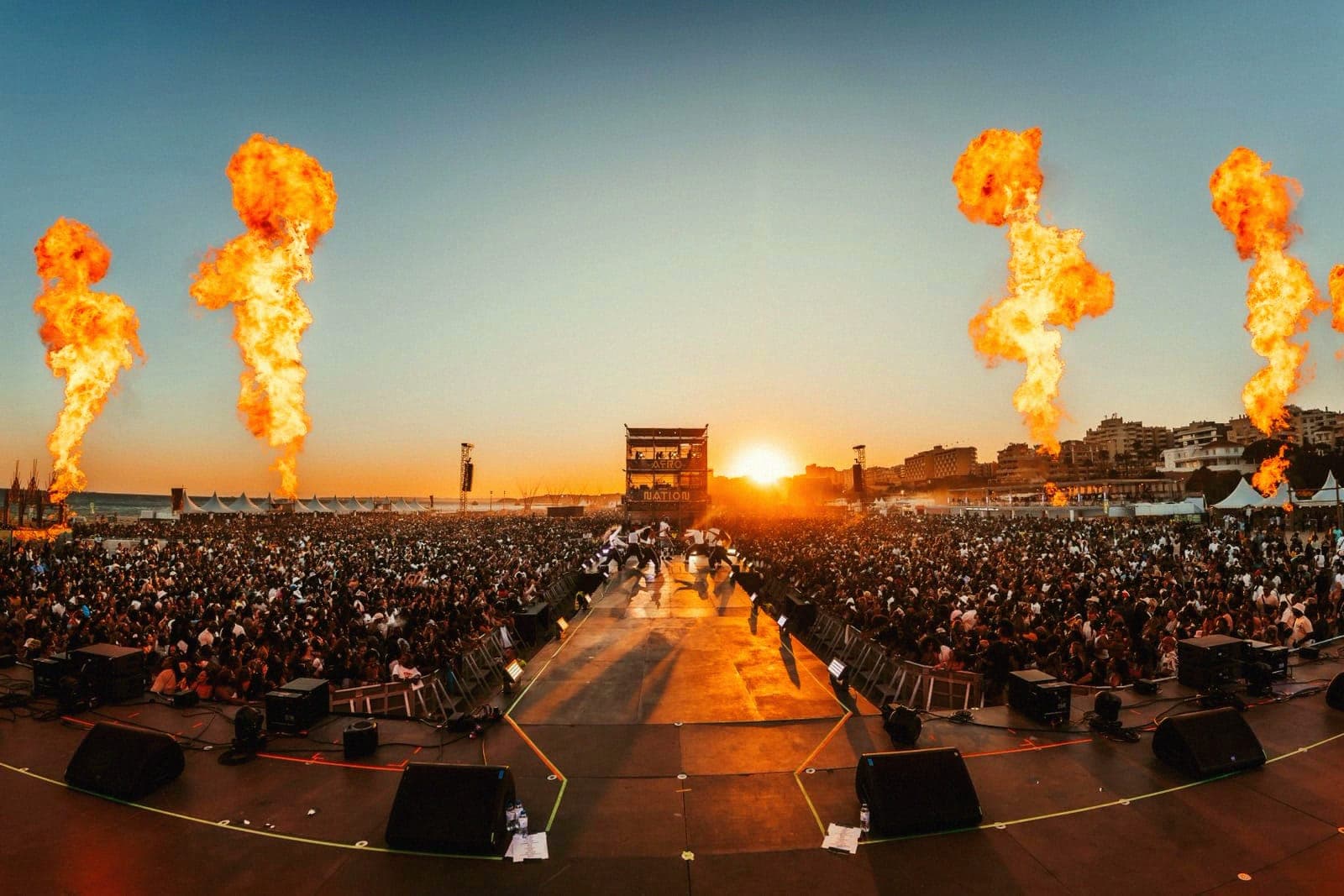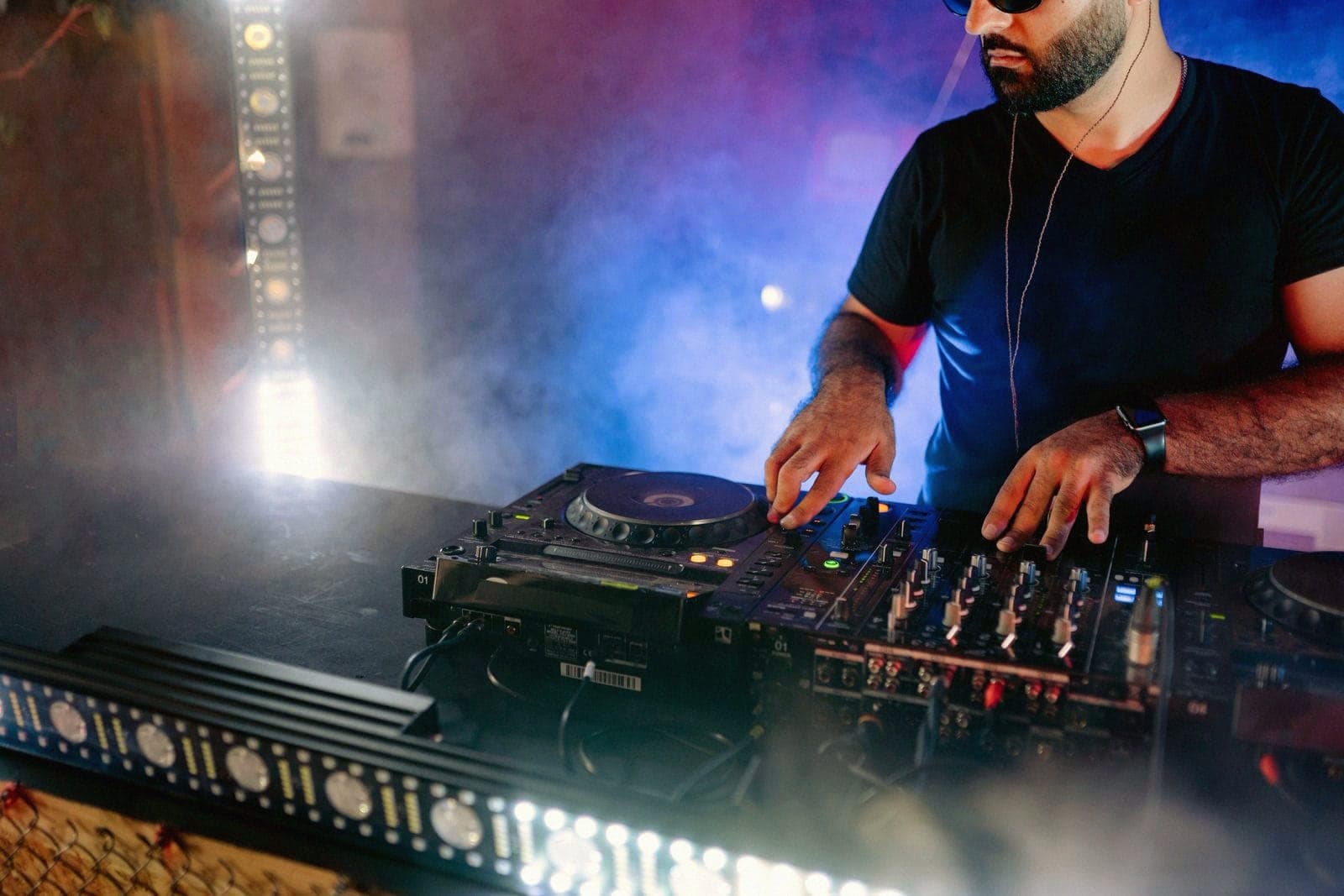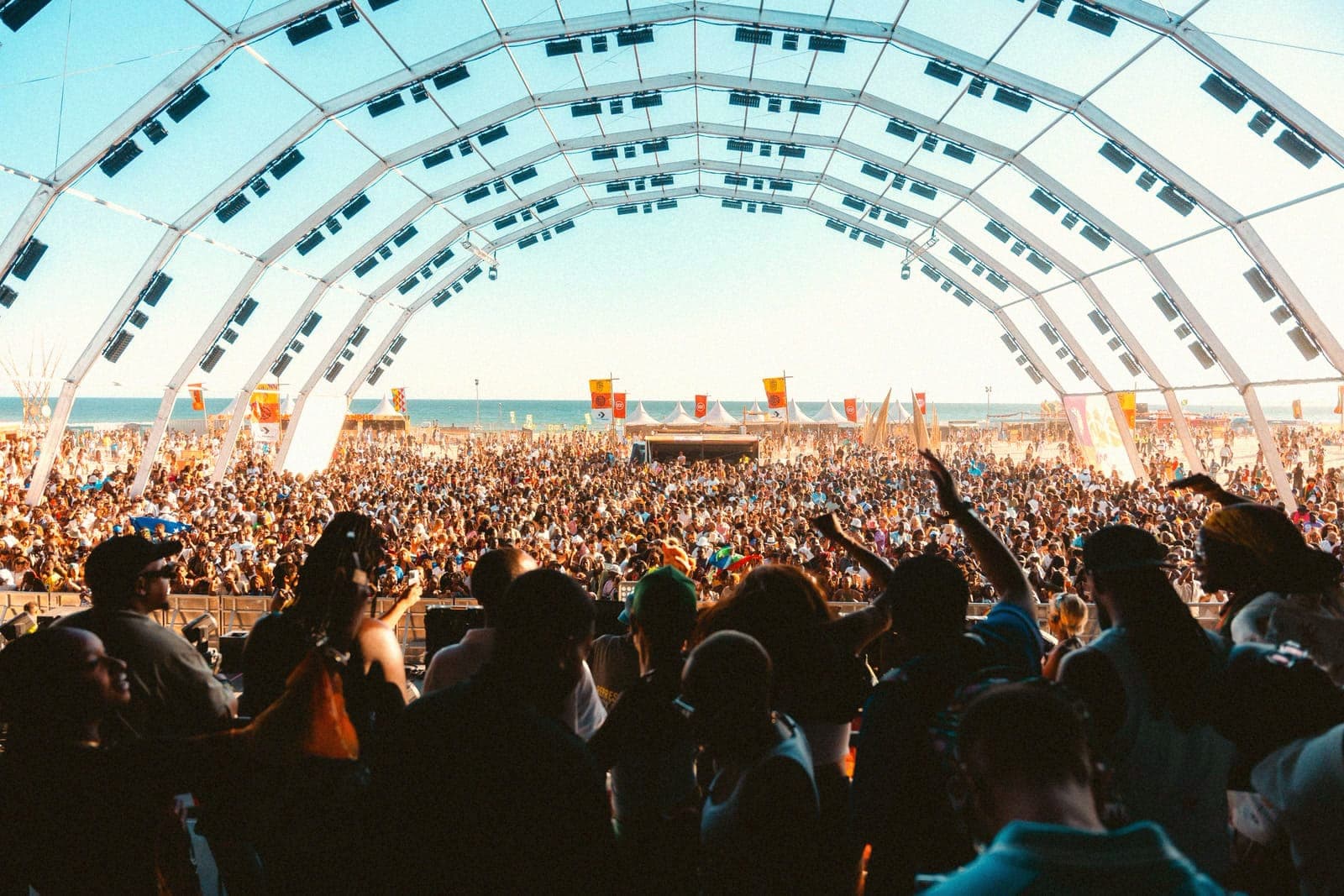
For years, amapiano's place at a festival like Afro Nation Portugal was the same as most South African sounds booked outside the continent: a support act to the afrobeats headliners who sell the tickets. This year's edition, 3-5 July at Praia da Rocha in Portimão, changed that arithmetic. The Piano People stage ran for all three days as its own self-contained programme, not a satellite slot squeezed between afrobeats sets.
What actually happened at Praia da Rocha?
DJ Maphorisa (performing as Madumane), Uncle Waffles, Focalistic and Kelvin Momo headlined a stage that also carried Scotts Maphuma, Zee Nxumalo, LeeMcrazy, Nkosazana Daughter, Amaroto, Njelic, Mellow & Sleazy, Skylaa Tylaa and Royal Musiq. The schedule ran producers, vocalists and DJs back to back with barely a gap, a structure that mirrors how amapiano actually moves as a genre on the ground in South Africa: collaborative, DJ-led, built for a set that keeps rolling rather than a string of isolated headline slots.
Why does a dedicated stage matter for amapiano?
Because festival billing is money, not just visibility. A support slot pays support money and gets booked around someone else's draw; an anchor stage means the promoter is betting the amapiano lineup can hold a crowd on its own for three straight days, which changes what these artists can charge and how they get positioned on the next festival's poster. Afro Nation's main stages still leaned on afrobeats star power, including a Burna Boy headline set, so this wasn't a genre swap. It was an addition: a full second economy running in parallel, on its own stage, under its own name.
Is this genre arriving or just a festival diversifying its portfolio?
Both things can be true. Afro Nation gets a broader draw and a stage that fills reliably; amapiano's biggest names get festival-anchor billing and pay outside South Africa, on a circuit that has mostly treated the genre as a flavour inside a bigger afrobeats package. The real test isn't whether Piano People existed this year, it's whether the next major European or North American festival books amapiano the same way: as its own draw, not as filler between bigger names.
Why it matters
A dedicated stage changes the money, not just the poster: it is the difference between amapiano acts being paid as support and being paid as the reason people show up, and that shift ripples into how the genre gets booked everywhere else.
What we think
This is the real marker of a genre's arrival, not a chart placement or a viral clip, but a promoter willing to bet three full days of a stage on it alone. Amapiano didn't need afrobeats' crowd to fill Piano People. The next thing to watch is whether that confidence follows the genre to festivals outside the Afro Nation circuit.