What's actually going wrong for AfroTech?
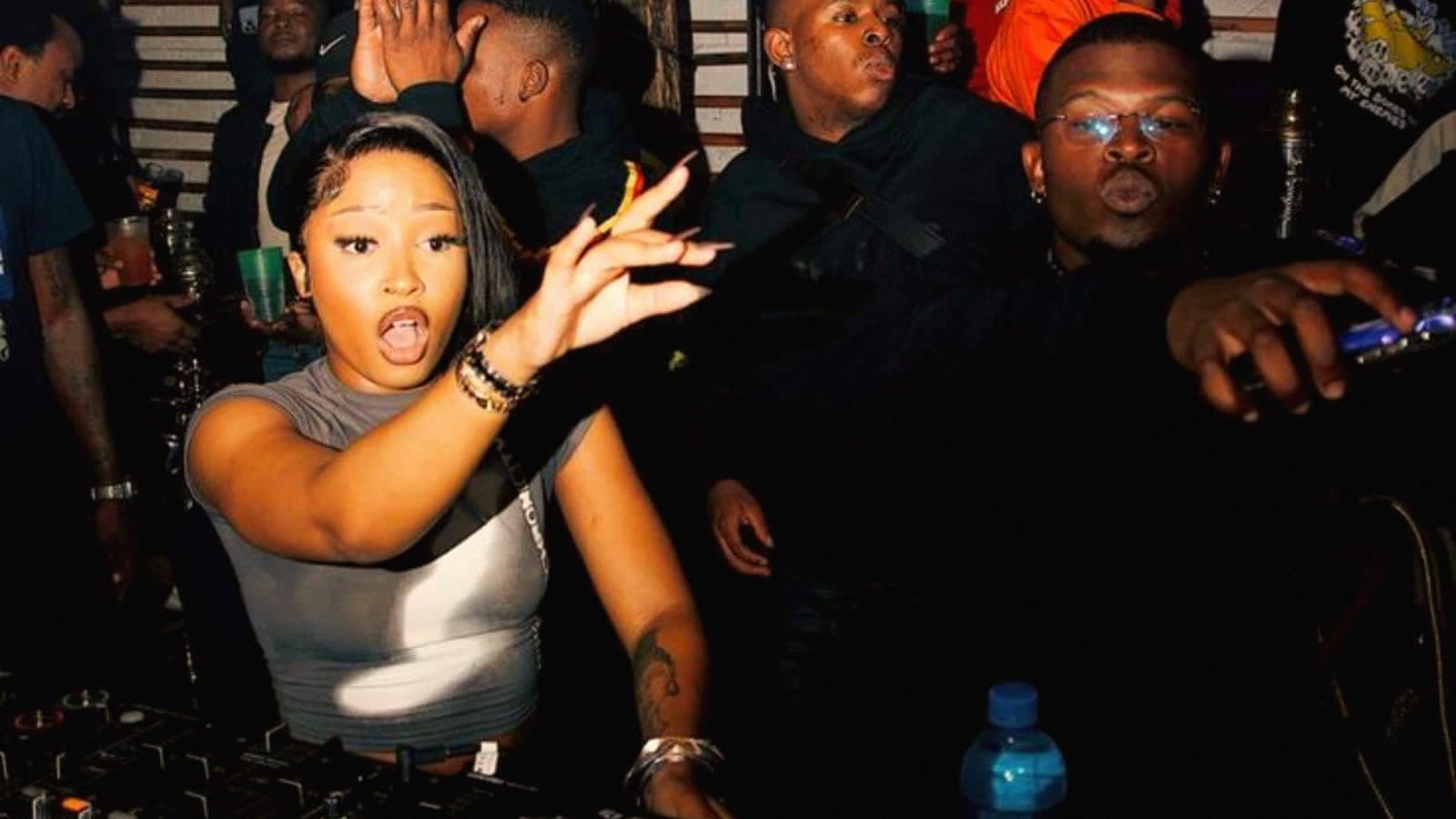
South African producers built AfroTech out of tribal house in the early 2010s: dense, percussive, more electronic and more "tech" leaning than its ancestor, djembe and conga patterns run through synths and drum machines. It found real footing abroad, in London, Berlin and beyond. But Mixmag's scene report on the genre describes a watershed moment back home: industry players report lacklustre uptake of new AfroTech material, and the artists who built the sound's reputation are releasing more sporadically than a scene needs to hold its momentum.
The pressure isn't coming from outside South Africa's dance music economy. It's coming from next door. Amapiano, the log-drum, slow-swing sound that has become the country's most consequential musical export of the decade, keeps eating the commercial oxygen AfroTech needs: festival slots, streaming placement, media attention, both at home and on the international circuit AfroTech spent a decade building.
Why is 3Step becoming the industry's preferred answer?
3Step's technical trick is simple to describe and hard to place: take a standard 4/4 house pattern and drop the fourth kick, leaving three per bar. That missing beat opens space, a looser, more elastic pocket that lets amapiano's log-drum bass sit under Afro house's atmospheric chords and AfroTech's higher-energy synth lines without any of the three sounds getting crowded out.
The producer credited with building that structure, Thakzin, has said he wasn't chasing a new genre when he started experimenting, just a way to keep exploring without being boxed into one lane.
"I don't like being boxed in. I'm like a Sangoma of music. I want to heal people through music, and that's my purpose."
That framing matters for the industry conversation happening around him. 3Step isn't pitched as AfroTech's replacement so much as a bridge, one that lets amapiano's commercial gravity and AfroTech's rhythmic identity coexist inside the same track, giving producers on both sides of the divide a shared lane to build in rather than a fight over the same festival slots.
Does a Tomorrowland stage actually move the needle?
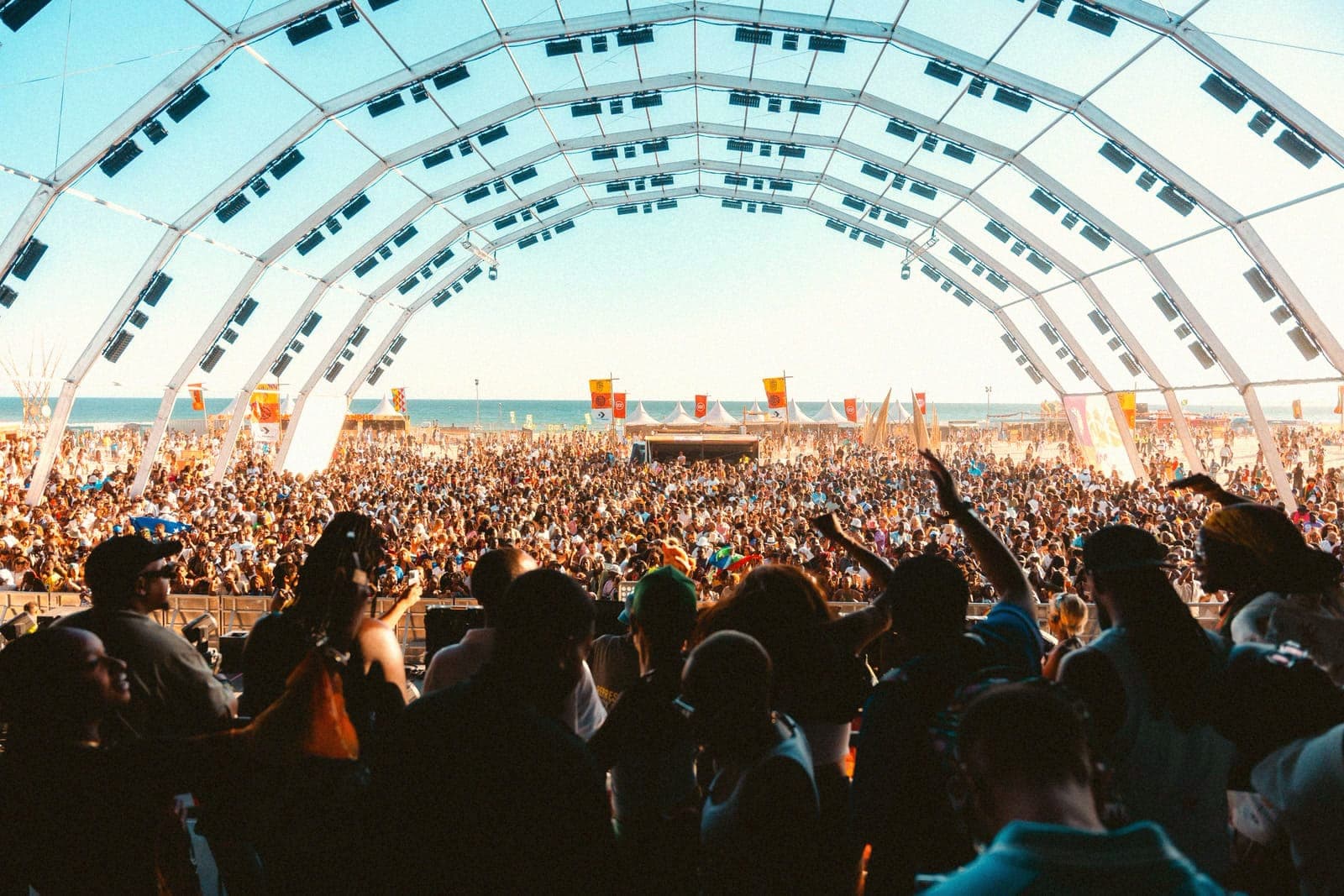
Tomorrowland's 2026 edition gave Afro house and Afro tech their first dedicated stage, Melodia, debuting July 17 with a lineup built around Thakzin, Da Capo, Caiiro and Enoo Napa. That's a real marker for a hybrid sound barely a few years removed from a DJ booth conversation about what to even call it. It puts 3Step and its adjacent scene on one of European dance music's largest stages, in front of an audience that mostly met South African house through amapiano's crossover moment.
It doesn't automatically fix AfroTech's domestic slump, though. A festival stage in Belgium doesn't move streaming numbers or booking fees in Johannesburg. What it does is give AfroTech's veterans, and the 3Step producers building on their foundation, proof that international rooms will still book South African house that isn't amapiano, provided it keeps evolving.