What is actually new in the G2?
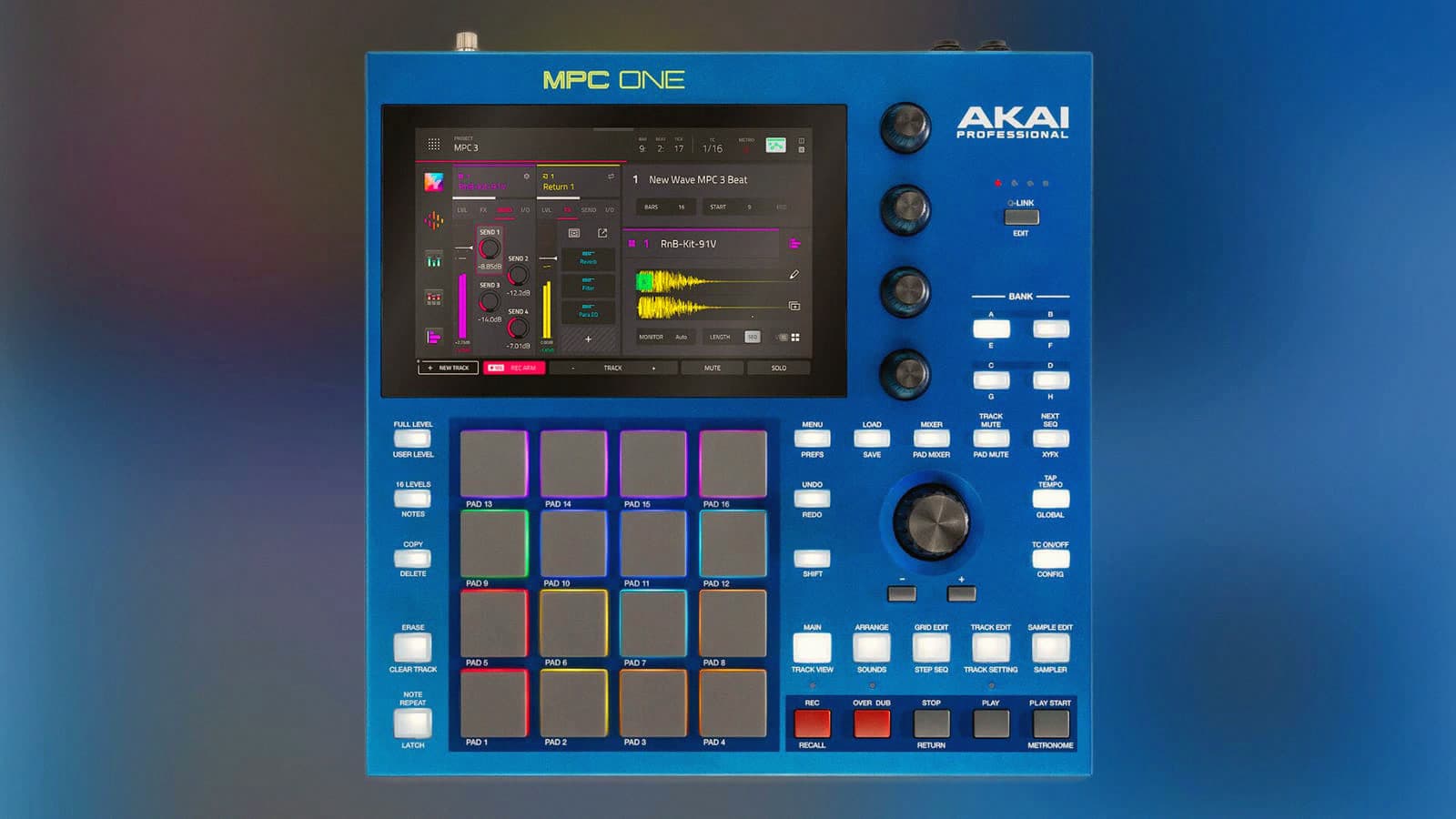
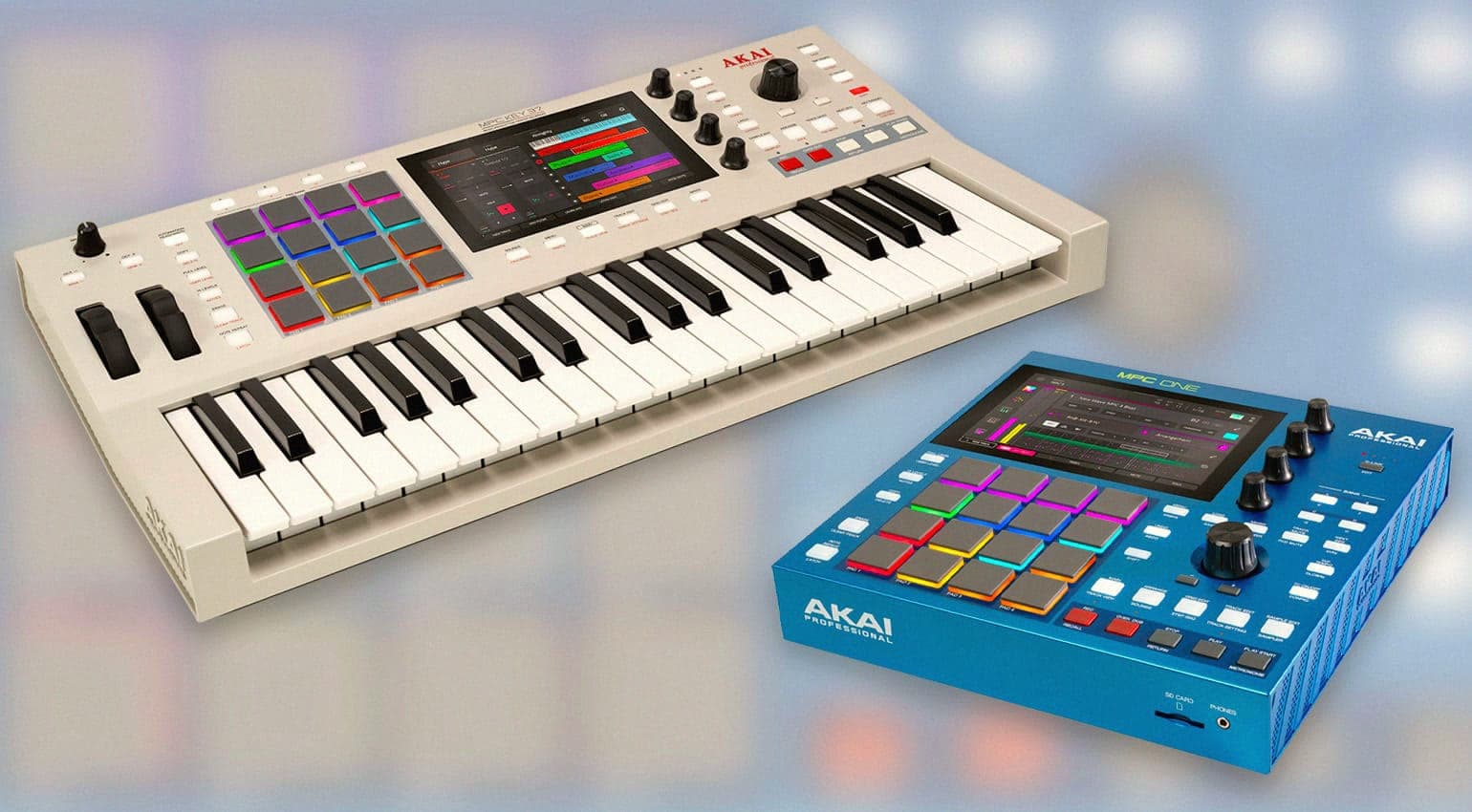
For twenty years the Akai MPC has been a sampler and a sequencer first, a synth never. The G2 generation rewrites that. Both the MPC One G2 and the keyboard-equipped MPC Key 37 G2 carry four times the processing power of the machines they replace, built on an 8-core processor with 4GB of RAM and 64GB of onboard storage. That headroom feeds up to 32 plugin instruments and 16 stereo audio tracks running standalone, no laptop in the chain.
The real shift is in software. MPC 3.9 OS adds a built-in synthesizer engine with its own oscillators, alongside an overhauled arrangement mode. In other words the MPC can now generate sound from scratch, not just chop a sample or host a plugin. The Key 37 G2 wraps that in 37 synth-action keys with aftertouch, pitch and mod wheels, and finally drops the old USB-B port for USB-C carrying 24 channels in and out.
Why a synth engine changes the MPC's job
Until now, designing an original sound on an MPC meant sampling something or loading one of Akai's plugin instruments. An onboard oscillator engine means you can build a patch from nothing on the device itself, on a train, in a hotel, on a festival shuttle, with no computer anywhere. For the standalone-first producer, the person who bought an MPC precisely to get off the laptop, that closes the last real gap.
The MPC was the box you arranged on. Now it is also the box you sound-design on.
So what's the catch?
The price of progress is silicon you cannot flash into an old unit. G1 owners are already asking the obvious question: why is the synth engine a new $799 machine and not a firmware update for the MPC One they bought two years ago? Akai's answer is the 8-core jump, which it says is what makes 32 plugins and 16 tracks viable in the first place. Whether that justifies a fresh purchase is the argument playing out in every producer forum this week. What is not in doubt is the value-for-power: at these prices, this is the most capable standalone MPC the company has shipped.