How did the drinks industry lose $830 billion in four years?
A Bloomberg index tracking roughly 50 of the world's biggest beer, wine and spirits makers is sitting 46% below its June 2021 peak, a $830 billion hole in market value across four years, first reported by Bloomberg on October 30, 2025 and confirmed since by nearly every quarterly earnings call in the category.
Diageo, the world's largest spirits company and owner of Guinness, Smirnoff, Johnnie Walker, Baileys and Ciroc, is down 60% from its 2021 all-time high. In February 2026 the company roughly halved its dividend to shore up its balance sheet after organic sales fell 3%, with North American sales alone dropping 7%. Pernod Ricard, which owns Absolut, Jameson and Martell, has shed close to a third of its value over the past twelve months; its first-half 2026 results showed a 6% organic sales decline, with China sales down more than 20%.
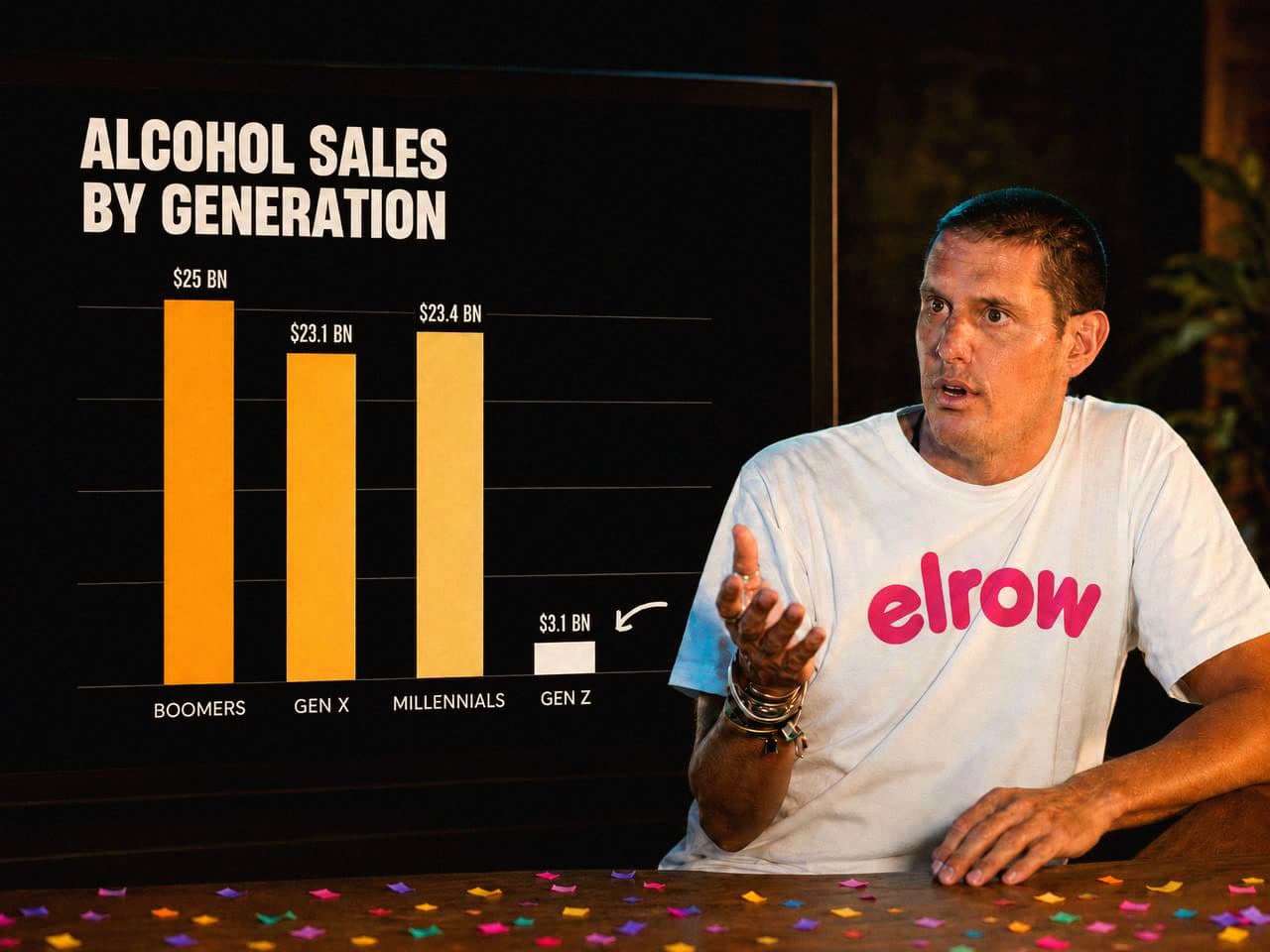
The driver, repeated on every earnings call, is Gen Z. Gallup's 2025 tracking found only 54% of US adults drank at all, the lowest rate since the poll began in 1939, and just 50% among 18-to-34-year-olds. About 65% of Gen Z respondents say they plan to drink less in 2026, and nearly 40% are aiming to go fully dry for the year. The pattern isn't a US quirk: NielsenIQ's 2025 category review found dollar sales falling across beer, wine and spirits worldwide, even as the shrinking pool of drinkers pays more per premium bottle.
What happens to a club's business model when the sponsor's money disappears?
House and techno's business has never run on ticket price alone. Drinks brands built a large chunk of the money that keeps a festival's production budget, a club's marketing spend and a promoter's booking fees afloat: sponsorship deals, on-site activations, and above all, the bar. Live Nation alone reported a record $1.2 billion in sponsorship revenue in 2024, its second-biggest income line after ticketing, and drinks brands are historically the single largest category inside that number.
That money doesn't move at the same speed as a stock chart, but it's already visibly thinner where it touches the floor. US nightclub operators report VIP table and bottle-service spend down roughly 40% against pre-pandemic levels, exactly the segment that used to cross-subsidize a club's booking budget and its door price. More than 12% of American nightclub venues have shut in the past two years, a toll operators blame on rising rent, insurance, staffing and liquor-licensing costs colliding with a shrinking bar take.
The industry didn't build nightlife's business model. It bankrolled it. That money is now going somewhere else.
The sponsorship side is getting jumpier too, if not purely for economic reasons: Diageo and Pepsi pulled their branding from the UK's Wireless Festival in April 2026 the moment Kanye West was confirmed as headliner, a reminder that a spirits company under earnings pressure has far less appetite to ride out reputational risk than it did in 2021. Beer, by contrast, is still spending: Heineken enters its 23rd year as Coachella's official beer partner in 2026, debuting a new festival gadget, "The Clinker," that it plans to roll out across its global sponsorship portfolio. The retreat is concentrated in spirits, the category that overbuilt fastest through the 2010s cocktail boom, not across drinks marketing as a whole.
Can non-alcoholic programs actually replace the bar's old margins?
The obvious industry response, alcohol-free product lines from the same companies losing value, reads at first like a lifestyle concession. It is a margin calculation. Carlsberg has rolled out an alcohol-free cider; Campari is launching its non-alcoholic Crodino in the US; and inside venues, the math increasingly favors the swap: a well-made $9 mocktail can out-earn a $14 cocktail once ingredient cost is counted, because spirits remain the most expensive line on a bar's sheet.
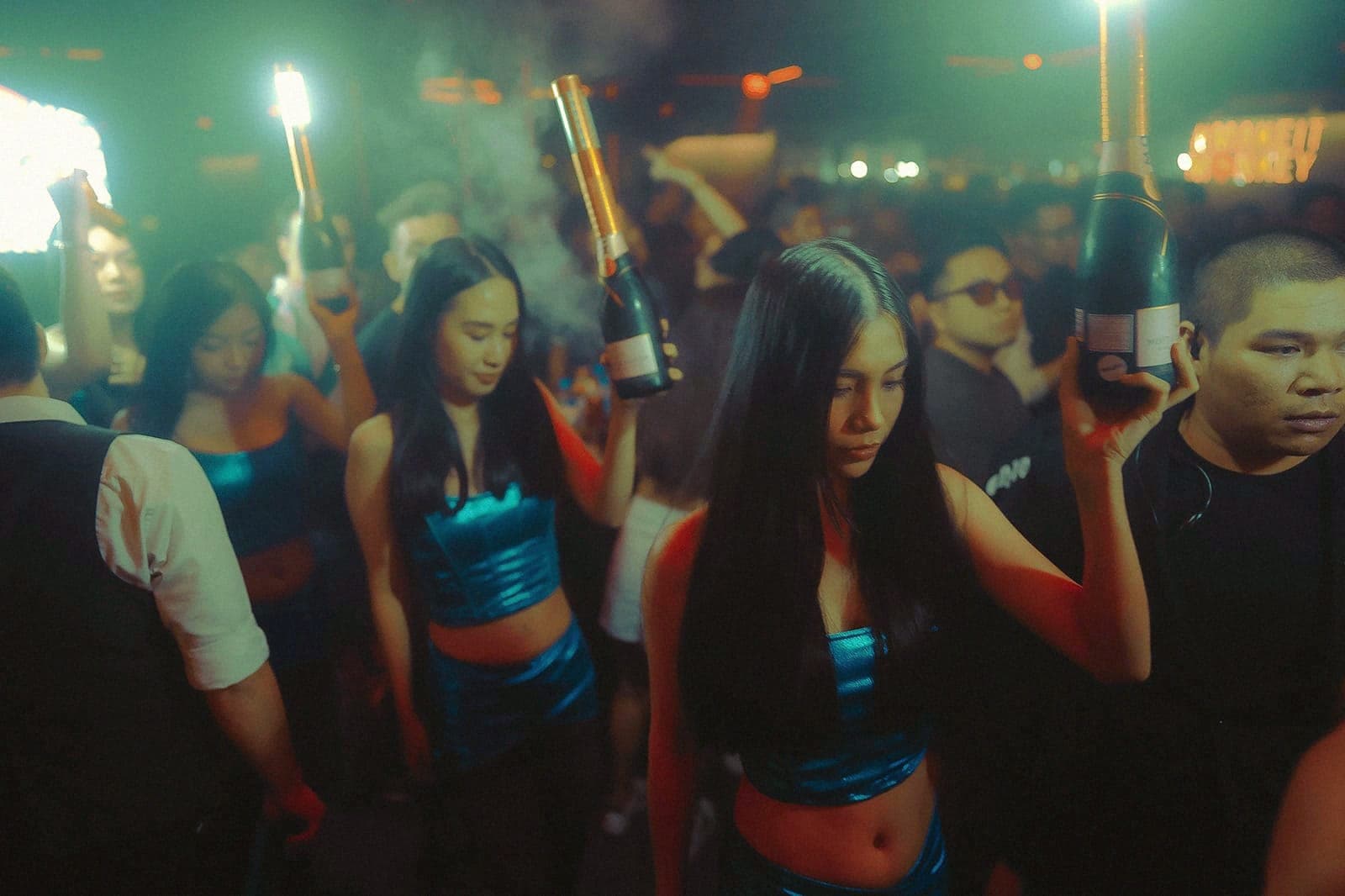
Vegas nightlife, which built the modern bottle-service economy, is the clearest lab for the shift. Dustin Drai, who runs Drai's Nightclub in Las Vegas, has replaced the old prestige-of-the-bottle pitch with transparent, bundled pricing: a $99 (about $113 with fees) open-bar package for the 1-3 a.m. window, and a $695 champagne-and-caviar presentation built for a phone camera rather than a receipt nobody reads twice. Drai's own framing is blunt: guests now want "transparency, value and experience," not the bottle's status alone.
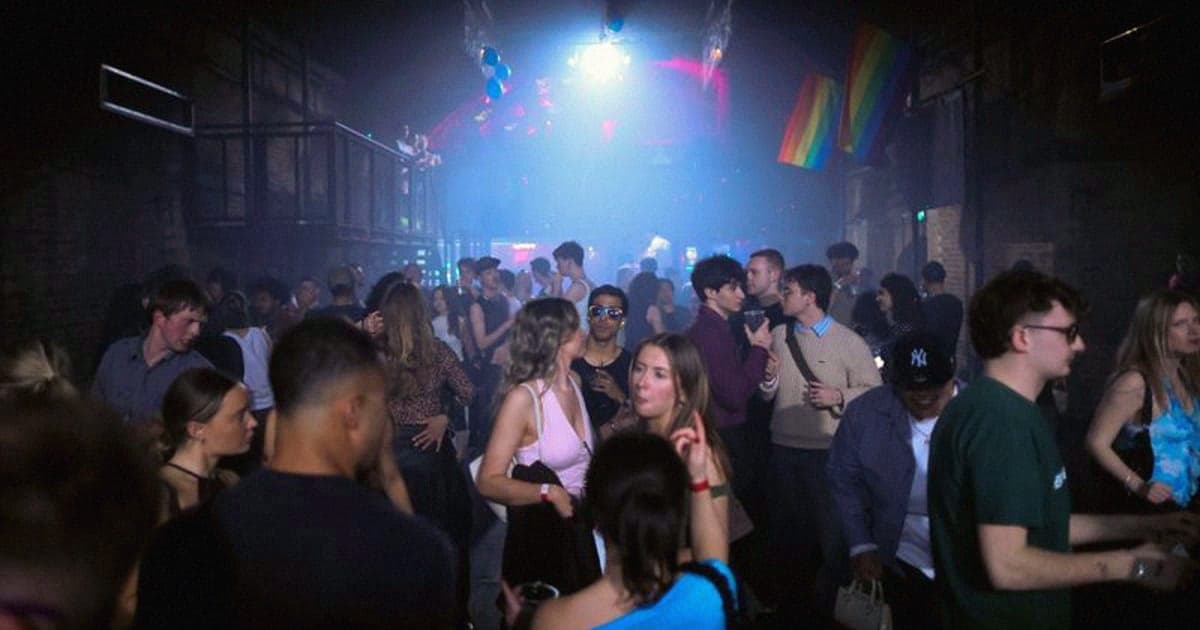
None of this means the club or the festival is dying with the sponsor's money. Attendance at house and techno events hasn't collapsed alongside alcohol sales; the businesses that keep the lights on are the ones rebuilding a bar, a sponsorship and a door price that no longer assume a drinking crowd is the only paying crowd.