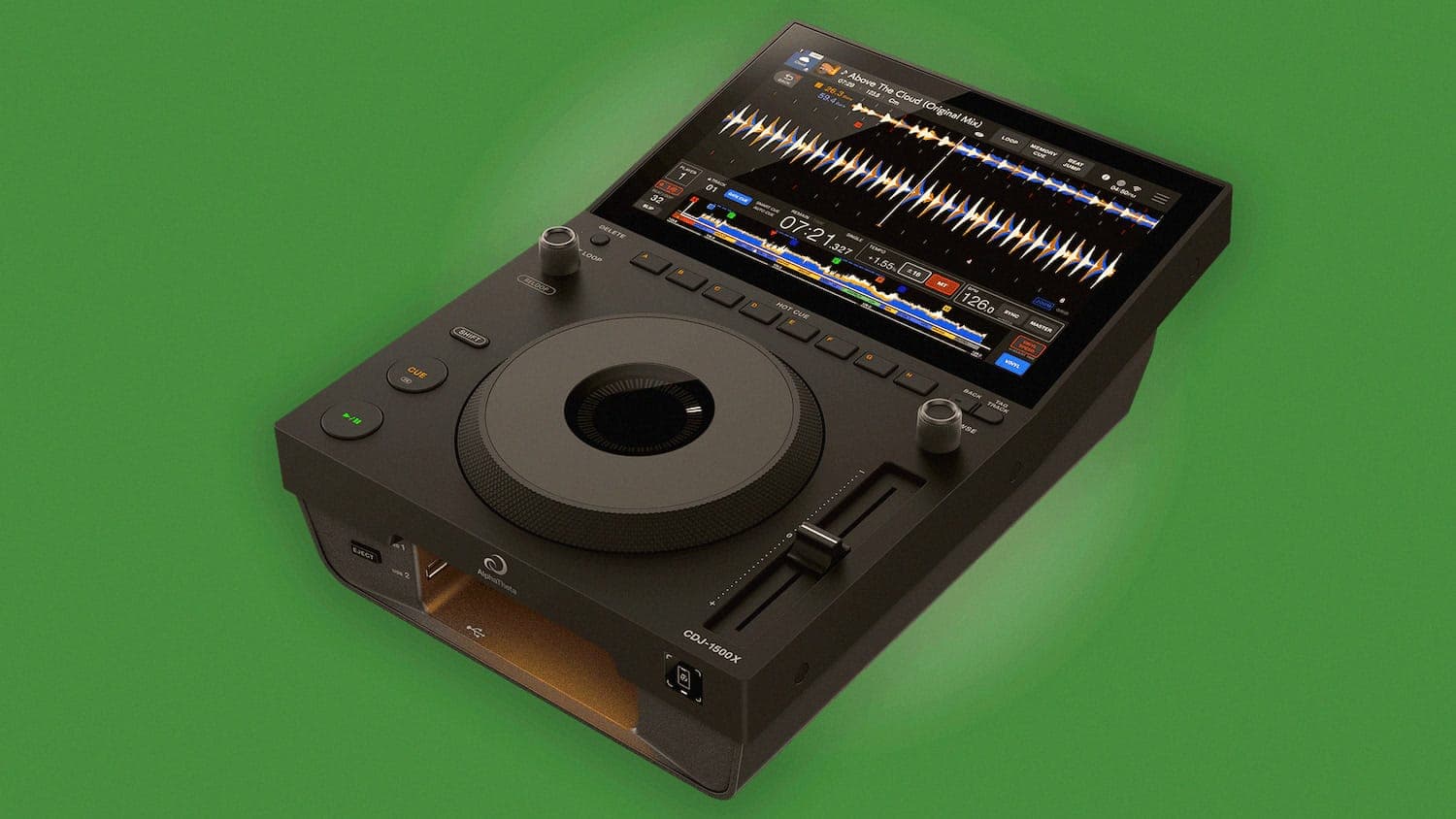
AlphaTheta, the company behind Pioneer DJ, just told the industry where it thinks DJ booths are heading, and it's not subtle. On September 9, 2026, CEO Yoshinori Kataoka laid out a 10-year strategy built around three pillars: artificial intelligence, cloud-based streaming, and tactile hardware that keeps a human hand on the controls. The framing matters as much as the plan itself. "We no longer see ourselves simply as a DJ hardware company," Kataoka said. "The ultimate goal is to build something larger than a DJ equipment company."
What did Kataoka actually say about AI?
He didn't hedge. Asked about AI's place in DJ tools, Kataoka said it "will eventually become a standard capability rather than something unique or exceptional," meaning AlphaTheta expects AI features (think automated stem separation, harmonic matching, adaptive effects) to stop being a marketing bullet point and start being assumed, the way sync and beat-grid analysis already are. He paired that with a line that reads like a hedge against the obvious backlash: "Human beings still bring emotion and sensitivity to music, and that will always matter." On streaming, he was just as direct about what's changing: "Simply owning music is no longer the differentiating factor it once was," a pointed remark from the company whose gear built its reputation on vinyl and CDJ culture. AlphaTheta's stated approach is platform-agnostic streaming integration rather than locking DJs into one service.
What do euphonia and RMX-IGNITE actually do?
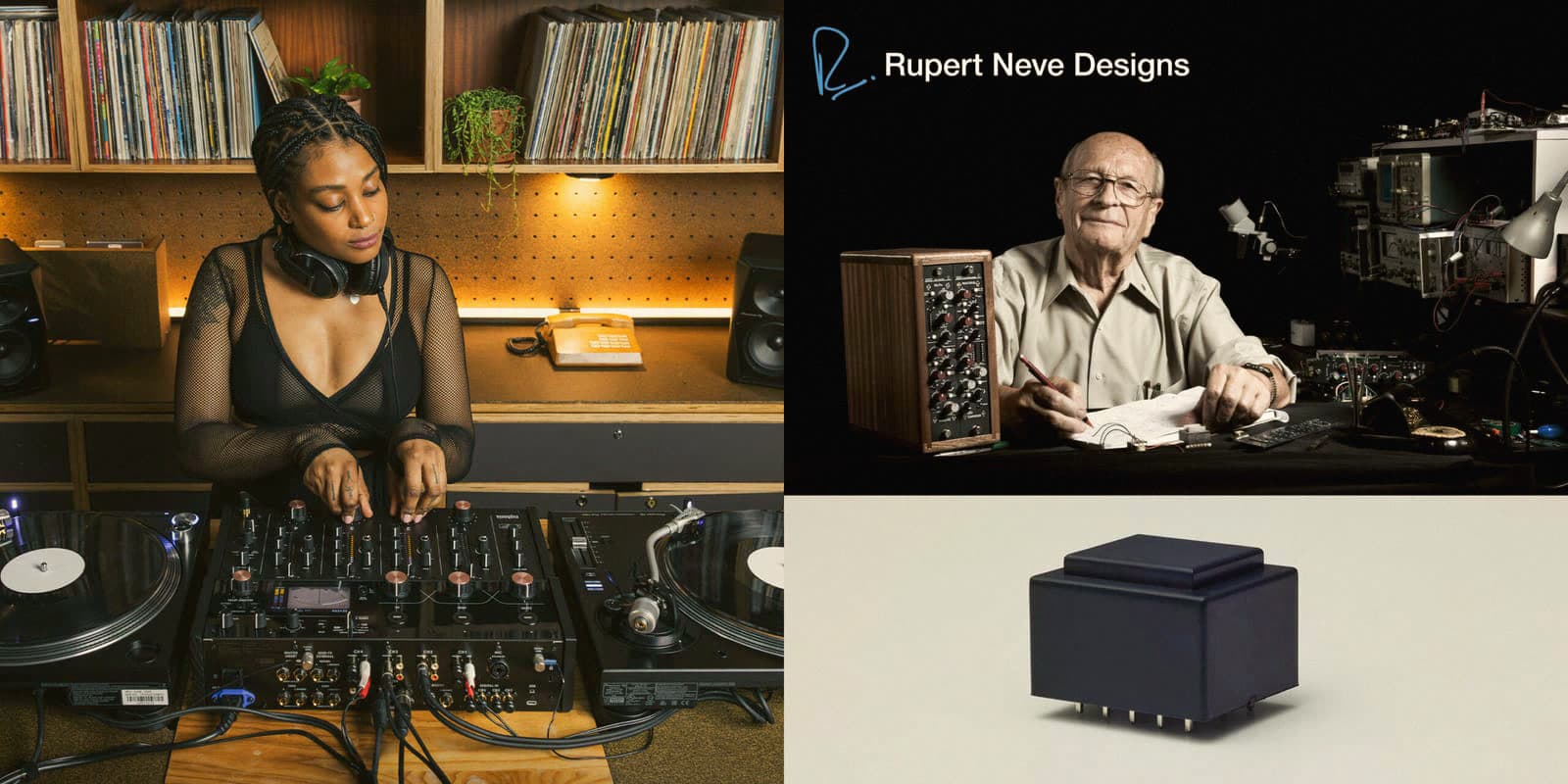
This isn't a slide deck with no product behind it. The euphonia rotary mixer, AlphaTheta's first mixer under its own name and its first-ever rotary design, pairs a transformer circuit co-developed with Rupert Neve Designs with 32-bit A/D and D/A converters running 96kHz, 64-bit floating-point DSP. It's the hybrid Kataoka keeps describing: analog warmth in the signal path, digital precision (and a Serato DVS and rekordbox-ready feature set) underneath. The RMX-IGNITE, AlphaTheta's replacement for the long-serving RMX-1000, runs 96kHz through 32-bit ESS Technology converters for a 115dB signal-to-noise ratio, adds a proper onscreen display, and rebuilds the sampler section around a new Groove Roll function. At 2.3kg in a metal chassis and priced at 1,199 euros, it's built to sit in a working booth, not a showroom.
"Human beings still bring emotion and sensitivity to music, and that will always matter."
Is this empowering DJs or replacing the job?
Here's the actual argument worth having, not the reflexive one. AI has already automated the parts of DJing nobody misses: beatmatching by ear, manual pitch-bending to nudge a track into sync, the grunt work that used to eat a DJ's attention before software absorbed it. That freed hands and ears for track selection and reading the crowd, which is exactly the skill Kataoka is now trying to brand as the new differentiator, the omotenashi idea of hospitality through music. Fair enough, as far as it goes. But "reading the room" is precisely the layer AI is coming for next: adaptive mixing that reacts to crowd energy, automated harmonic transitions, AI-assisted set construction. If AlphaTheta succeeds in making that "standard rather than exceptional," the skill Kataoka is praising today is the skill AlphaTheta's own roadmap targets tomorrow. The euphonia and RMX-IGNITE are honest about where the company actually is right now, tactile, hands-on, built for a human operator. Whether the next generation of AlphaTheta gear keeps that promise, or quietly automates the last thing that made a DJ a DJ instead of a playlist operator, is the question this interview raises and doesn't answer.