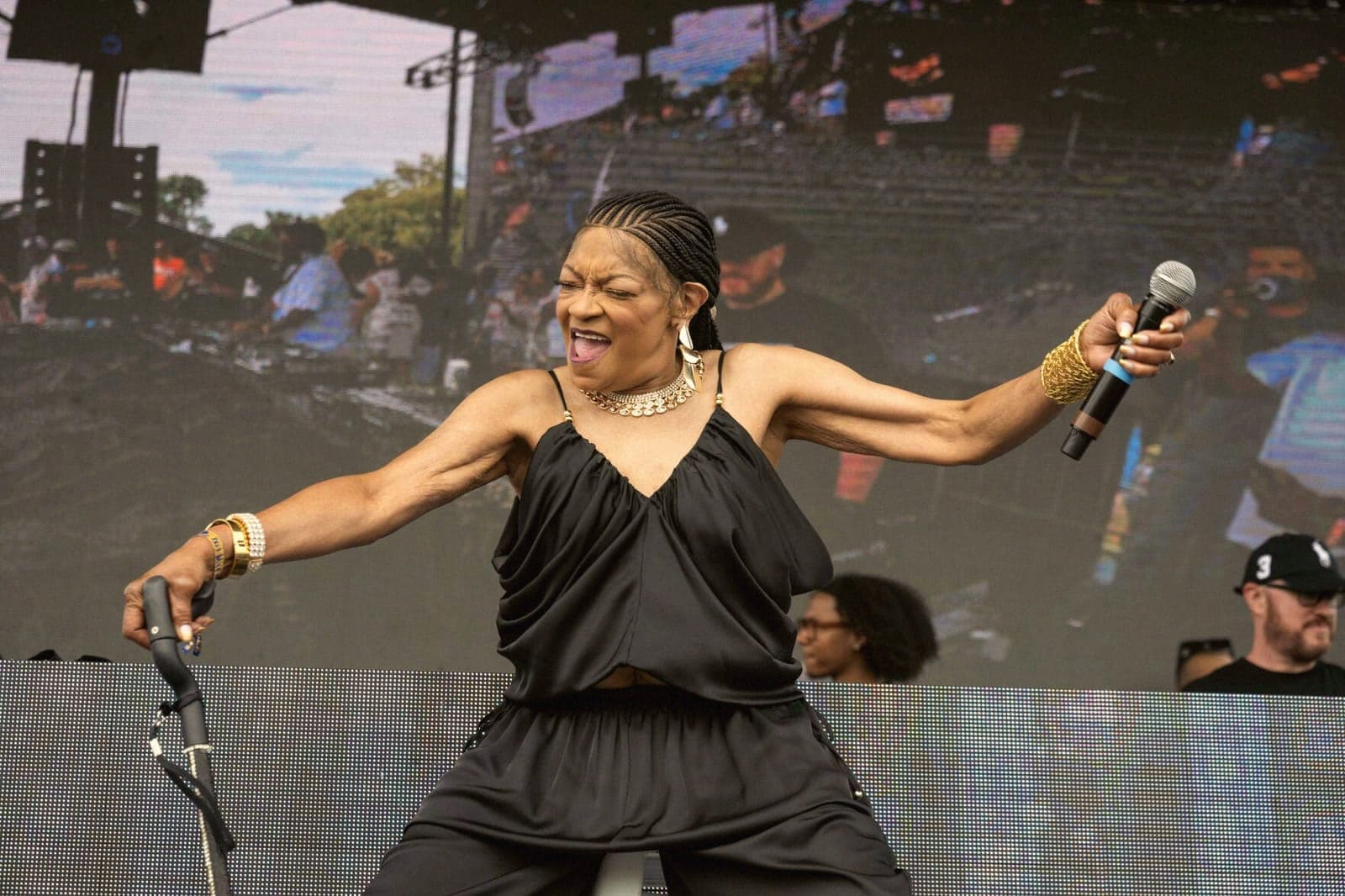
Chicago invented house music in warehouses and basement clubs in the early 1980s, and for six years running, ARC Music Festival has staged its claim on that lineage every Labor Day Weekend in Union Park. In 2026 the festival is finally matching its ambition to its runtime: a fourth day, its first ever, expanding the format from three days to four and adding a fourth stage to the grounds.
What actually changed for 2026?
ARC now runs September 4-7 across four stages: Grid, Area 909, Expansions and The Midway, with more than 100 acts on the bill. That is up from the three-day, three-stage structure the festival ran through its first five editions since launching in 2021. A fourth day is not a cosmetic add-on, it means more room on the schedule for the deeper cuts of the lineup, the tech house and techno sets that used to get squeezed into overlapping slots against bigger draws.
That matters for how the bill reads this year. Chris Stussy, the Amsterdam DJ whose tech house sets built one of the more respected followings in the genre over the past few years, is booked alongside Brutalismus 3000, the Berlin duo who fuse gabber, punk and hardcore techno into some of the rawest club sets touring right now. Neither act needs a festival built around a headliner ladder to draw a crowd. A four-stage, four-day footprint gives artists like these actual room, rather than a single 45-minute slot squeezed between the big tent bookings.
Why keep building this in Chicago specifically?
ARC Music Festival has never hidden its pitch: put house music's origin city on a pedestal for a global audience that mostly experiences the genre through Berlin, Amsterdam or Ibiza. Since its first edition, the festival has consistently booked Chicago house pioneers and current scene figures on the same stages as touring European and global acts, a structure most large US festivals in this genre space don't bother with. Growing to four days after five years of three-day runs is the clearest signal yet that the format has an audience willing to show up for a longer weekend, not just a headliner night.
The expansion also puts ARC in a different conversation. Europe has had multi-day house and techno flagships, Dekmantel, Awakenings, DGTL, for years. A US festival built specifically on house's own birthplace scaling to match that footprint is a genuinely new data point for where the genre's live infrastructure is heading outside Europe.
"ARC is here to put house music and its origination point on a pedestal."
Does a bigger lineup dilute the story?
Not inherently, but it is the risk worth naming. A 100-plus act bill spread across four stages will always include names with one foot in EDM, and ARC's lineup has never pretended otherwise. The test for a festival built on this premise is whether the house and techno programming stays deep enough, and specific enough, to justify the origin-city framing rather than just borrowing it. Six years in, with acts like Stussy and Brutalismus 3000 getting real stage time rather than token slots, ARC is still making that case.