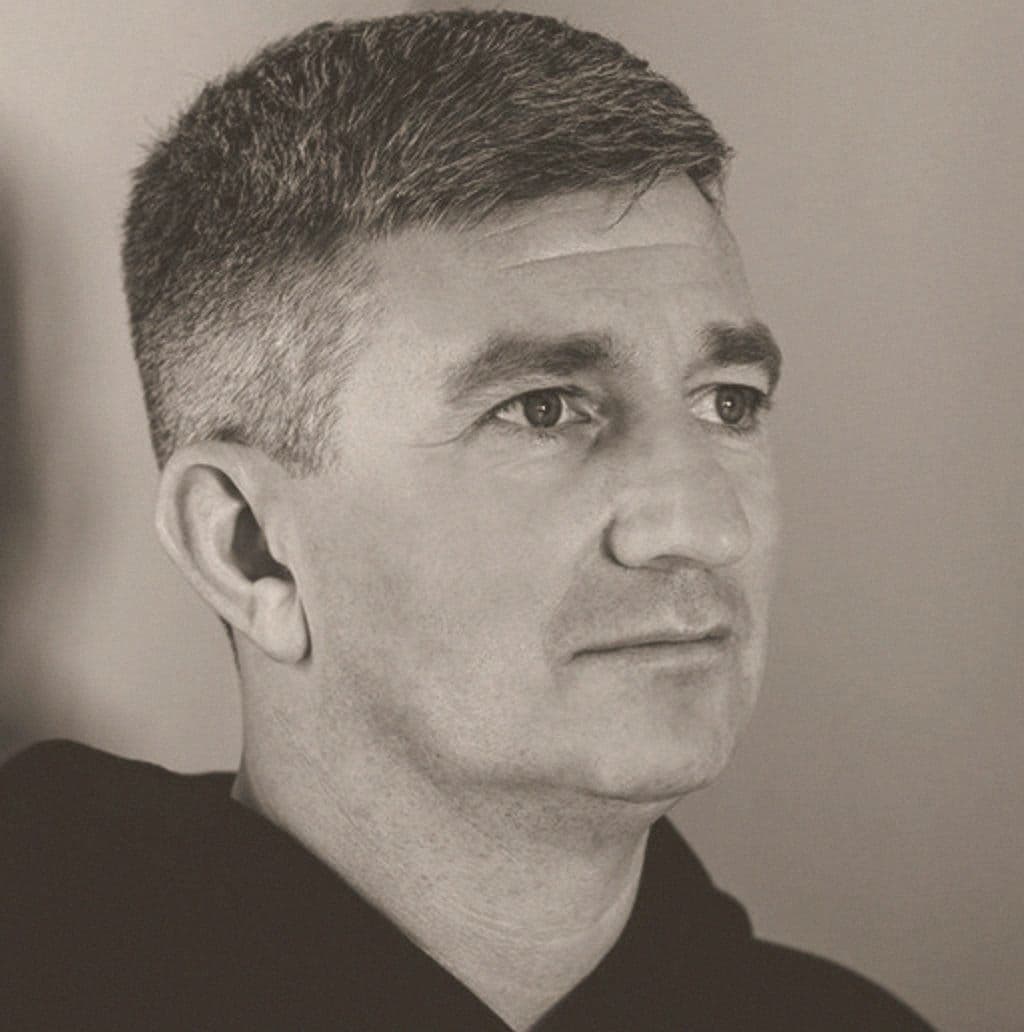
"The money is true, the crowds are true, but there's a dark side that we don't share."
In a candid conversation with Seth Troxler and Bill Patrick on Flirting with Friendship, trance legend Armin van Buuren opens up about the mental health struggles hidden behind his extraordinary success.
"I've been in a very, very dark place," he admits, recalling his depression in 2010, when his career was thriving.
"I had everything. Happily married, touring the world, little one on the way, making good money, enjoying my life. I guess I was just feeling the pressure."
He also reveals how alcohol gradually became a coping mechanism before performances.
"First it was like one glass of champagne for a show, just to get the edge off... Before I knew it, I was finishing a bottle before I was going on stage."
The conversation goes beyond addiction, touching on imposter syndrome, therapy, the pressures of fame, and rediscovering the simple joy of making music.
Reflecting on the death of Avicii, Armin believes the electronic music industry has become more accepting of conversations about mental health.
"I got out of it. I feel really great right now."
Conversations like these matter. Behind the glamour of DJ life are relentless schedules, jet lag, sleepless nights, adrenaline highs followed by emotional crashes, performance pressure, and constant exposure to drugs and alcohol.
These challenges don't just affect the world's biggest DJs. They can affect anyone behind the decks, regardless of their level of success.
The more artists speak openly about depression, addiction, and seeking help through therapy, the more we normalize taking care of mental health in an industry that often celebrates pushing personal limits.
Because loving music and living your dream doesn't make you immune to struggling. And asking for help shouldn't be seen as a weakness.