Why does doubling capacity and still selling out matter?
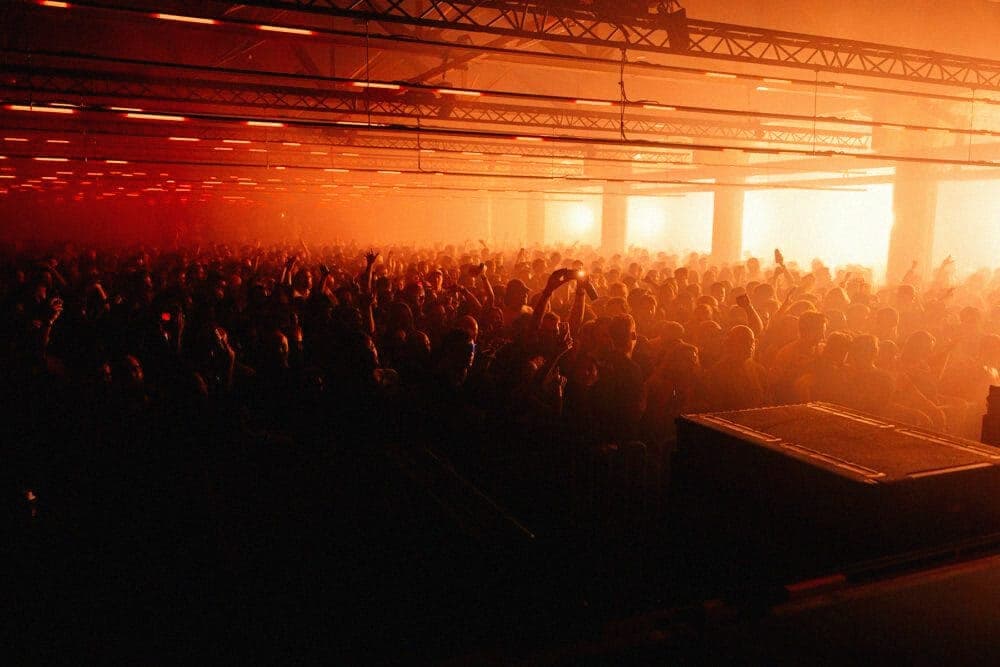
Most festivals that double in size the year after a hit debut either dilute the booking to fill the extra room or price it in a way that changes who shows up. Audio Obscura did neither. The 2026 edition kept the lineup rooted in house and tech house rather than reaching for arena-scale headliners, and it still moved 20,000 tickets a full month before the gates opened at Rotterdam's Van Nelle Factory on August 29. That is the real story here: quality bookings, not EDM-adjacent insurance policies, filled a room twice the size of the sold-out 2024 opener.
What made this lineup work at Van Nelle Factory?
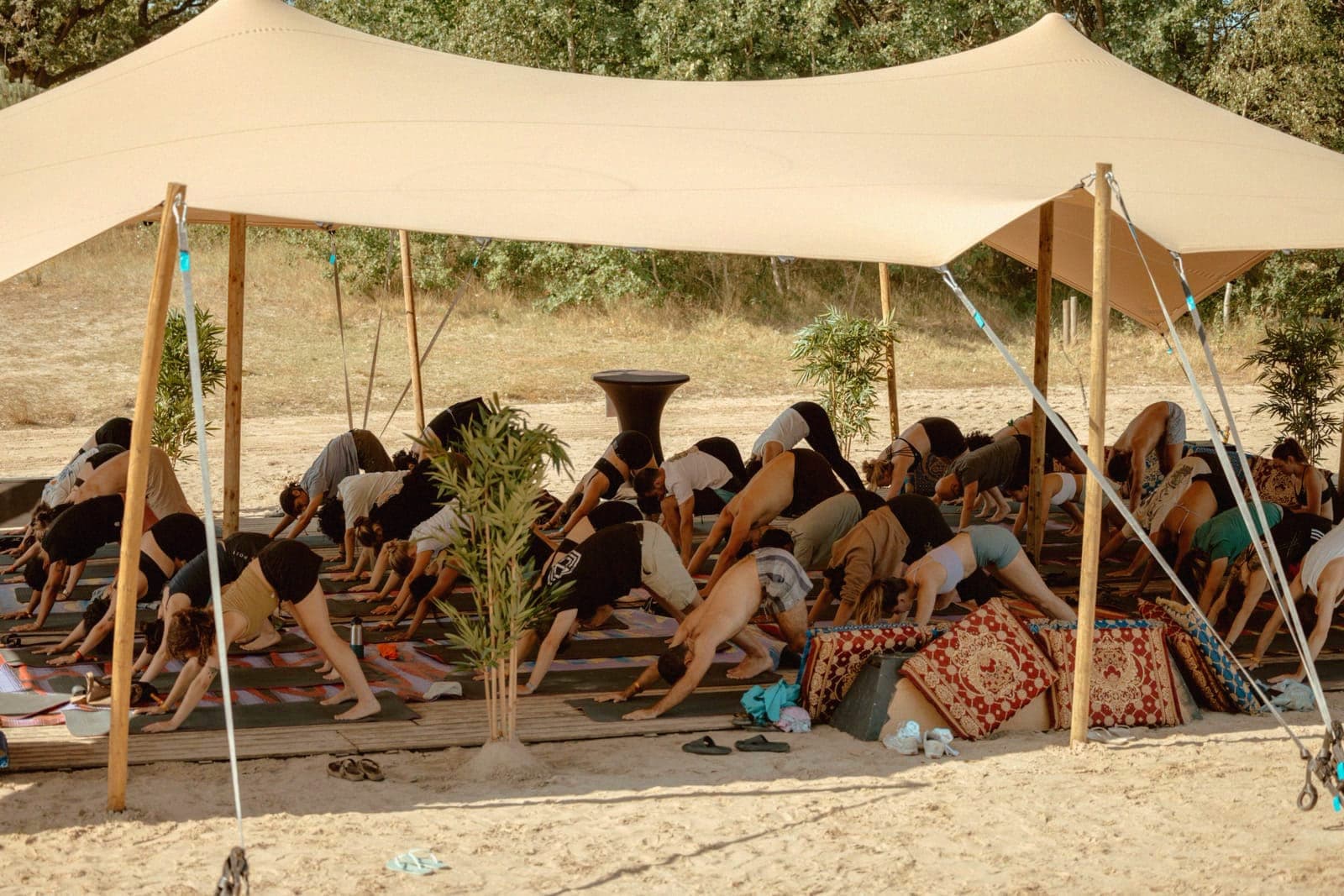
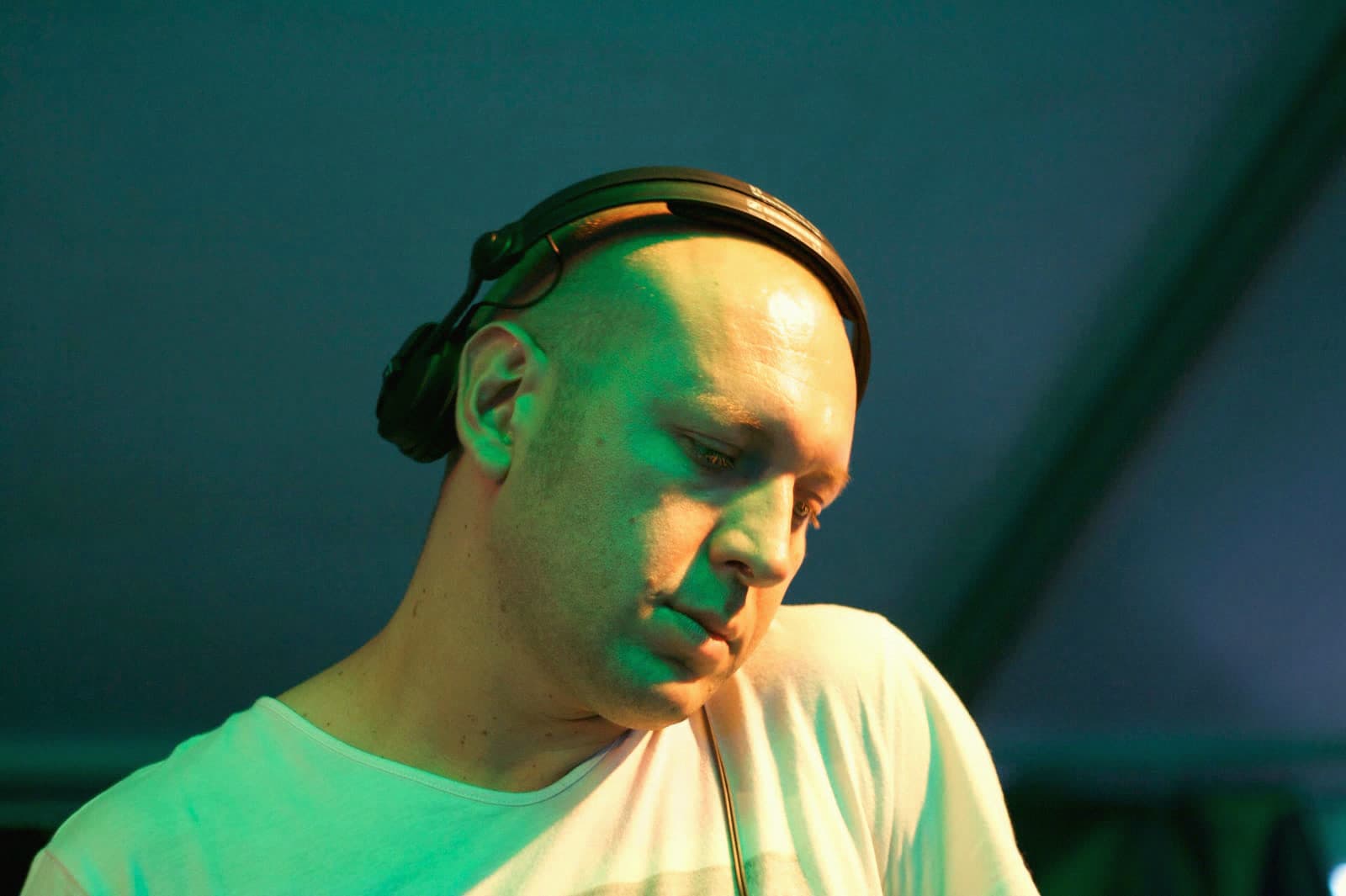
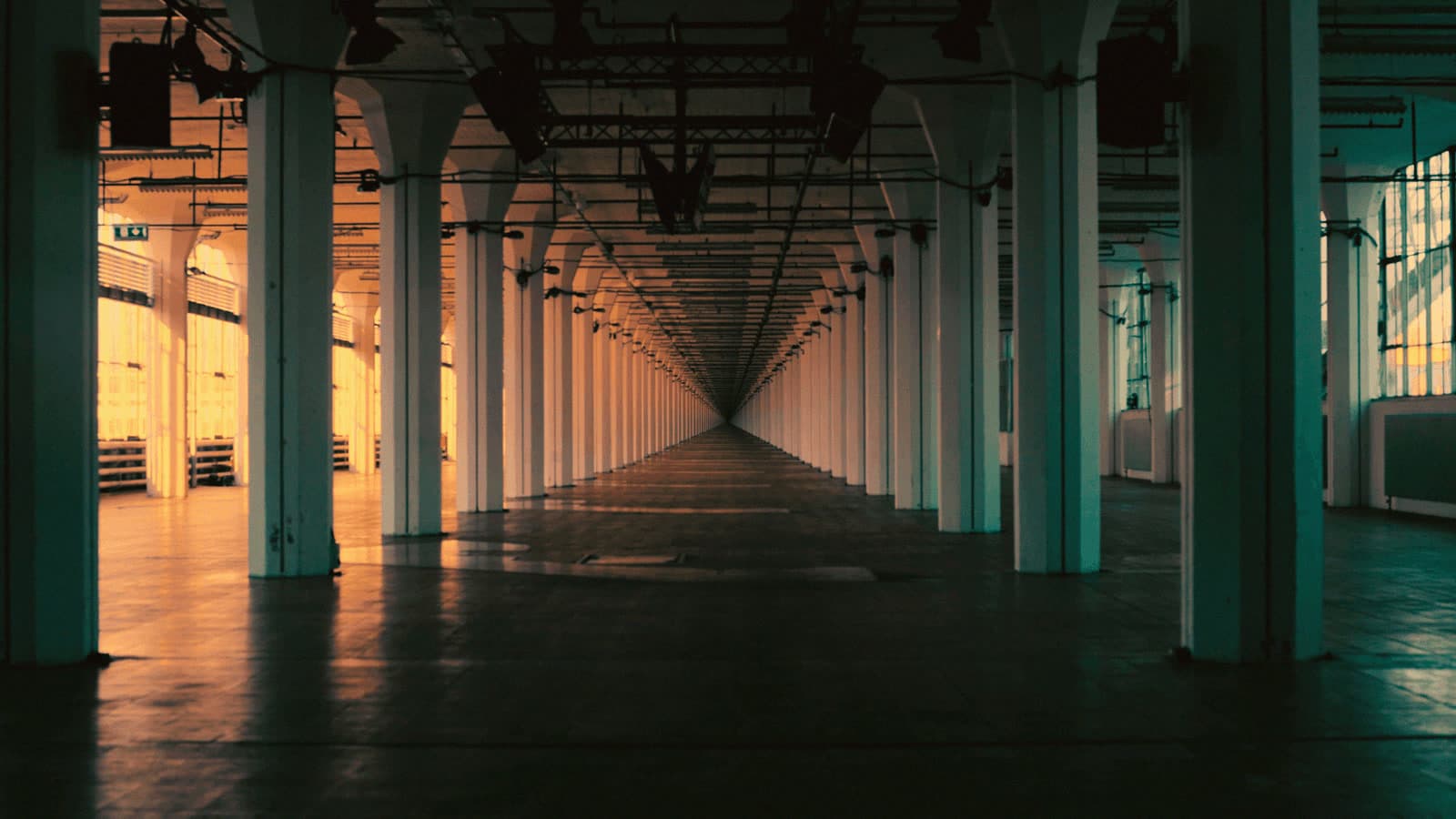
The bill leaned on names who have actually built the tech house and house moment of the last few years rather than borrowing from it. Chris Stussy anchored the Frame stage, Honey Dijon and Prospa held down Fabric, and Folamour, DJ Gigola and Chloé Caillet split sets across the day. None of it needed a pyrotechnics budget to sell; it needed a room worth showing up for. Van Nelle Factory, a former coffee, tea and tobacco plant recognized by UNESCO since 2014 for its glass-and-steel modernist design, gave the promoters exactly that: monumental halls, steel footbridges and outdoor grounds that four separate stages, Frame, Fabric, the Yard and the Boilerhouse, could use without feeling like a generic fairground.
"We expanded capacity and elevated the experience across all aspects. This complete sellout a month before the date exceeded all our expectations.", Naut Donders, Audio Obscura founder
What does this say about Rotterdam's place in the European circuit?
Audio Obscura built its name doing one-off takeovers of unlikely Dutch spaces, a rave on Amsterdam's A10 ring highway, a night inside Amsterdam Central Station, sets in the Rijksmuseum's bicycle passage, before settling into Van Nelle Factory as a returning home. Rotterdam has never lacked underground pedigree; it just hasn't always had a large-format outdoor showcase to match Amsterdam's DGTL or Awakenings. A 20,000-capacity sellout built on tech house and house names, not EDM ones, is a signal that promoters see real appetite for that kind of event in the city, and that a UNESCO-listed factory can carry the weight of a modern festival production without losing what makes it worth visiting in the first place.