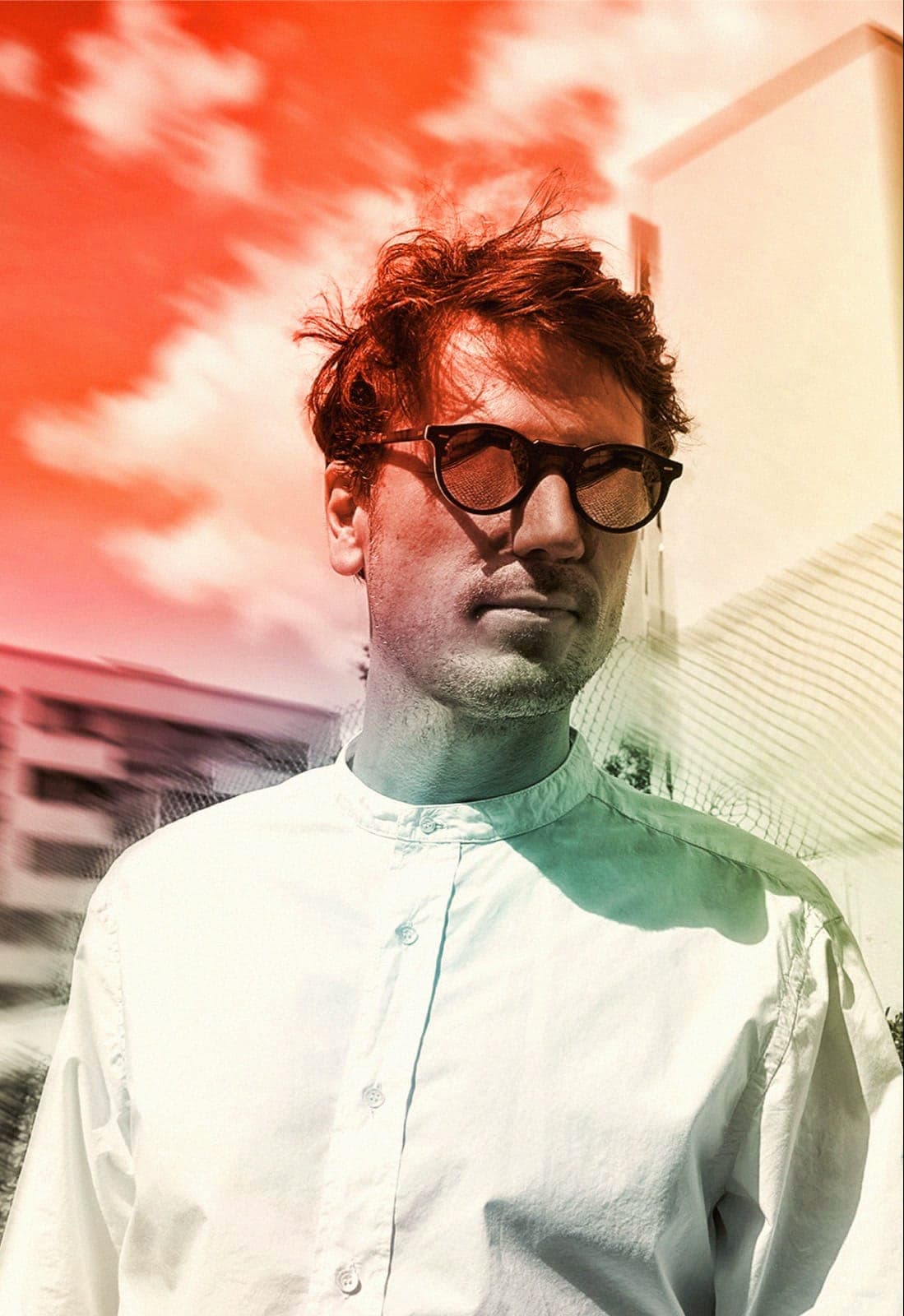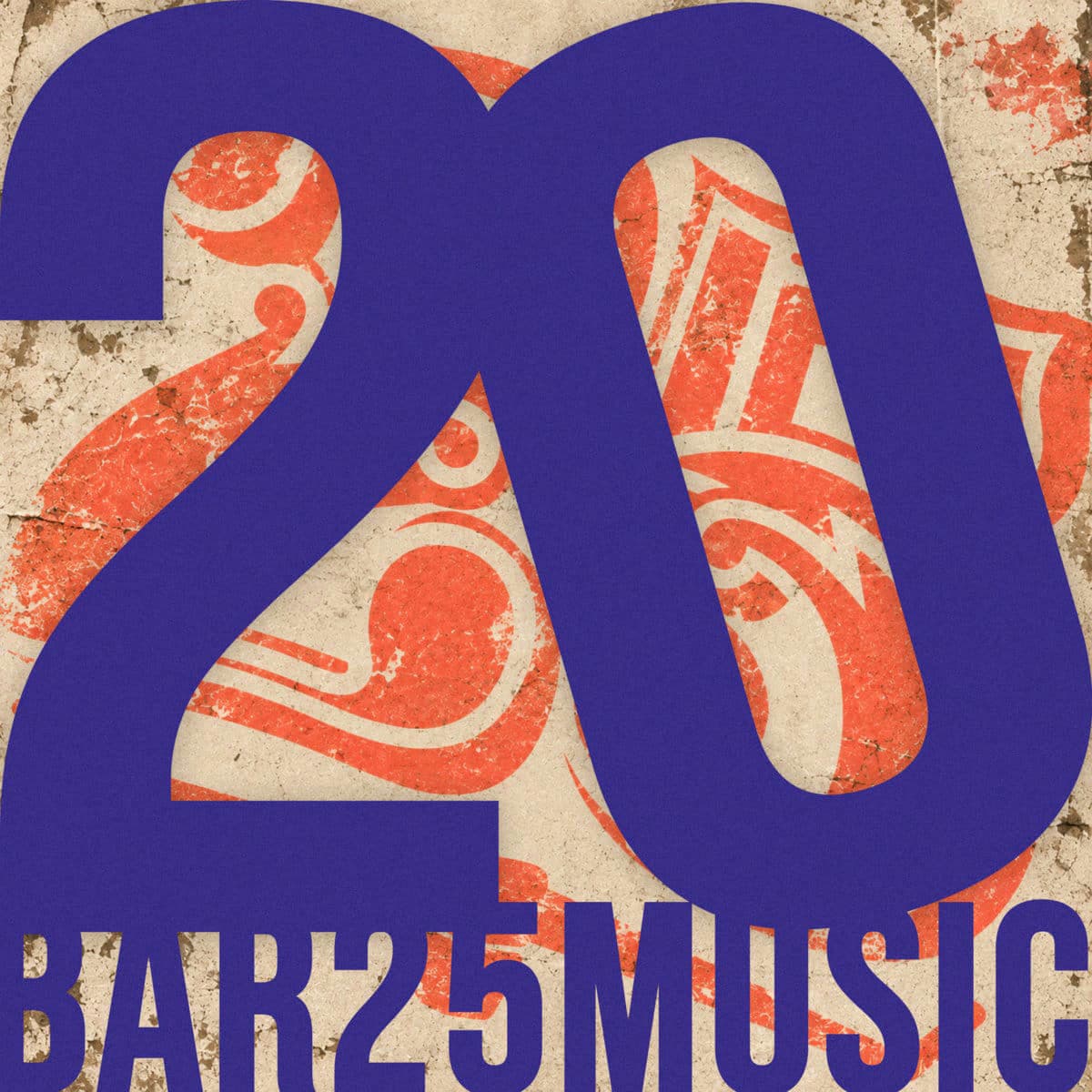
Most Berlin clubs that defined the post-Love Parade years are gone, remembered in photo books and old flyers. Bar 25 Music is the rare exception: the label that grew out of the club outlived the club itself by 16 years, and it just marked the anniversary with proof it's still working.
"20 Years Of Bar 25 Music," a 15-track compilation, landed on Bandcamp on November 13. It pulls together names who built the label's sound across two decades: Gudrun Gut, Tobi Neumann, Pan-Pot, Rodriguez Jr., dOP, Frivolous, Oceanvs Orientalis, SCSI-9 and Niconé.
What is actually on the record?
The tracklist mixes archive-digging with fresh work rather than just repackaging old masters. Jo.Ke went back into "Thank You" and recorded new vocals for it. Tobi Neumann reworked Gudrun Gut's "Garten," pulling one of the label's signature tracks into a new mix. Robosonic and Laura Weider contribute an Anniversary Mix, and Mark Henning hands over "Butcher," a track that had never been released before. It's a release built by people who were actually there, not a licensing-department retrospective.
Why does a club that shut in 2010 still matter?
Bar 25 sat on the Spree riverbank in Friedrichshain from 2003 to 2010: a free-spirited, semi-legal compound where parties routinely ran from Friday into Monday or Tuesday. It became one of the founding myths of Berlin's post-Love Parade underground, the kind of place people namecheck to this day when they talk about what the city's nightlife used to feel like before it got professionalized. Danny Faber started the label alongside the club's run in 2006, and when the venue finally closed, the label didn't. It kept pressing records, now past 270 of them, carrying a sound shaped by a riverside compound into rooms the compound's regulars never got to play.
The label is the part of Bar 25 that never had a closing night.
What happened to the club itself?
The site didn't stay empty. Bar 25's former home evolved into Holzmarkt, the cooperative-run riverside project that picked up the same stretch of the Spree and kept building on it. The label, though, is the throughline: it's the one piece of the original Bar 25 story that never had to reinvent itself from scratch, because it was never tied to a single lease or a single building to begin with.