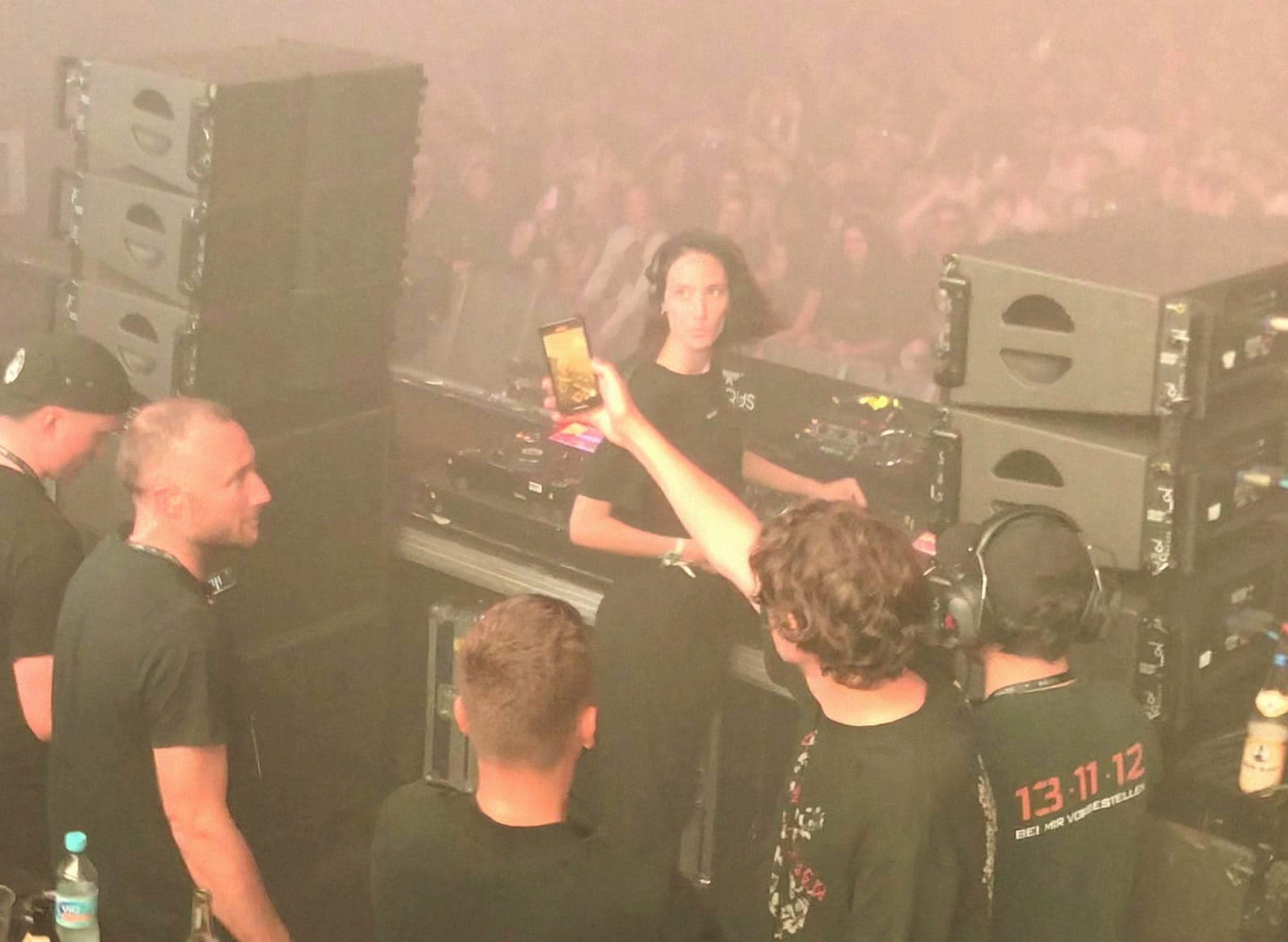
Barbara Butch, the French DJ who soundtracked one of the most talked-about moments of the Paris 2024 Olympics opening ceremony, was due to play an electronic-music night at La Lune des Pirates in Amiens on September 19, part of the new 500-seat venue's inauguration week. The show is off. The venue told regional broadcaster France 3 that it no longer had "the conditions necessary for security and public reception," days after the local chapter of the Association France Palestine Solidarite (AFPS) publicly called for a boycott.
What did AFPS Amiens actually object to?
AFPS's September 3 call didn't target Butch's DJ sets. It targeted a tribune she had signed in support of the so called "Yadan" bill, a proposed French law against antisemitism that has since been withdrawn. AFPS argues the bill conflated criticism of Israel's conduct in Gaza, what it calls anti-genocide speech, with antisemitism itself, and says Butch's endorsement of that framing made her an unacceptable booking for a venue in a majority-immigrant, working-class part of Amiens. Within days, and without the show going ahead, AFPS Amiens posted on Instagram that "the call for a boycott worked, the concert is cancelled," per France 24.
Why are government ministers weighing in on a club night?
Because the cancellation didn't stay local. Interior Minister Laurent Nunez said all the security guarantees the organizers needed had already been offered, undercutting the venue's own stated reason. Anti-Discrimination Minister Aurore Berge went further, calling the pullout "a capitulation" and framing it in stark terms: "On ne peut pas, comme ça, deprogrammer une artiste de scene pour une seule raison: elle est juive, et comme elle est juive, elle subit aujourd'hui des appels au boycott" ("You can't just deprogram an artist from a stage for one reason: she's Jewish, and because she's Jewish, she's now facing boycott calls"). Xavier Bertrand, president of the Hauts-de-France regional council, put it more bluntly still: "On ne choisit pas les artistes qui ont le droit de monter sur scene en fonction de leurs opinions" ("You don't choose which artists have the right to go onstage based on their opinions"). Amiens mayor Frederic Fauvet called the walk-back on free expression "unacceptable" and said the city's own read was that the venue's layout, not any real new threat, couldn't guarantee security for the event as originally planned.
"You can't just deprogram an artist from a stage for one reason: she's Jewish.", Aurore Berge, France's Minister for Equality and the Fight Against Discrimination
Has this happened to Butch before?
Yes, and more violently. On July 18, a Butch show in Grenoble was interrupted about 20 minutes in when roughly 100 activists linked to La France Insoumise stormed the venue, threw glass bottles at the stage, shouted abuse at Butch, and sabotaged the electrical supply, cutting the set short. Grenoble's mayor documented the incident and said the city would file a complaint. Around 300 public figures signed an open letter of support for Butch in Liberation after that disruption. Amiens is the second time in two months that pressure, rather than any onstage incident, has been enough to end a Butch booking before it happens.
What happens next?
Fauvet says Amiens is working with Butch to find her a new date in the city with state security guarantees attached, though no date has been confirmed. Nobody involved, not the ministers, not Bertrand, not AFPS, disputes the underlying facts: a venue cancelled a booked DJ after an organized campaign named her Jewish identity and her public political stance as the reason she shouldn't play. What's contested is whether that's a legitimate boycott or a discriminatory capitulation, and for now, for a France still working through the Israel-Gaza war's domestic fallout, it's both, loudly, at the same time.