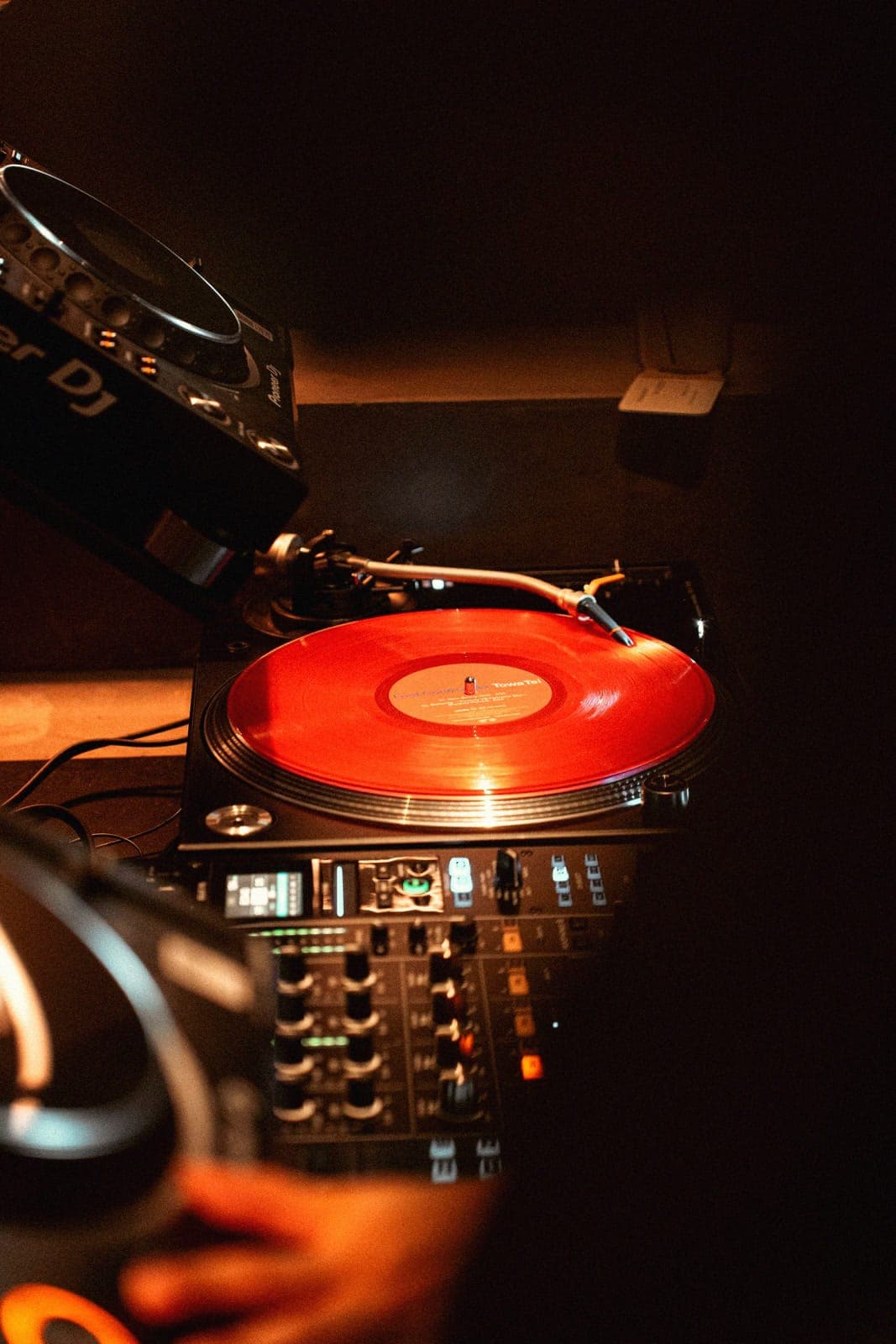
BASEMENT has run the same door policy since it opened under Knockdown Center in Maspeth, Queens in 2019: no photos, no video, no phones out on the floor. Last week the club updated that policy for a device category that didn't exist when the rule was written. On August 27, BASEMENT posted on Instagram that smart glasses, Ray-Ban Meta and similar, are now banned from the dancefloor whether a guest is wearing them or just has them zipped in a bag. Get caught and you're asked to leave. Do it twice, or do it badly enough, and you're out for good.
What changed, exactly?
The club's language is blunt: "Our no photo / no video policy exists to protect the privacy, safety and freedom of everyone on our dance floor. Devices that allow discreet recording are incompatible with that policy." That's not a new philosophy, it's the old one applied to new hardware. What makes smart glasses different from a phone in your pocket is that a phone has to come out to film. Glasses are worn the entire night, on your face, indistinguishable at a glance from a normal pair of frames.
Why can't a bouncer just look for the light?
Because the light lies. Ray-Ban Meta and comparable devices have a small LED that's supposed to signal when the camera is recording, the same logic as the sticker-over-the-webcam era. Reporting on these devices has repeatedly found that the indicator can be covered, dimmed or disabled outright, and in a dark room lit by strobes and lasers, a single tiny LED was never a reliable tell to begin with. A club that has spent seven years training door staff to spot a phone screen now has to spot a pair of glasses that look, by design, like nothing at all.
"Devices that allow discreet recording are incompatible with that policy."
Can this actually be enforced?
Honestly, not consistently, and that's the real story here. BASEMENT can pat down for phones, but frisking every guest's face for a Meta logo on the temple isn't happening at scale on a Saturday night. The policy works less as a technical fix and more as a stated boundary, backed by a permanent-ban threat that raises the stakes for anyone who tries it. It's the same trick Berlin's Berghain has run for two decades with camera stickers at the door: the point was never airtight enforcement, it was making the club's expectations unmistakable and making the social cost of breaking them real.
Why it matters
Wearable cameras are heading toward every crowd, not just BASEMENT's. Clubs, festivals and venues that have spent years building a reputation on "what happens on the floor stays on the floor" now have to write policy for hardware that erases the visible line between recording and not recording, and every other underground room is about to face the same call.
What we think
Good on BASEMENT for saying it out loud instead of pretending the problem doesn't exist. But let's not pretend this closes the loophole either: a determined person in a pair of $300 glasses is still going to get a clip if they want one badly enough. What the policy actually buys is deterrence and a clear line to point to when someone gets caught, and on a dancefloor built on trust, that line is worth having even if it isn't watertight.