Spain's coastal law makes every beach public domain. Ibiza's own municipal ordinance builds a specific safeguard into that principle: any beach club or concession can reserve sunloungers for paying customers, but never more than 20 percent of a beach's total capacity. The other 80 percent has to stay open, free, to anyone who wants to lay a towel down.
According to reporting published August 11, 2026 by Vicious Magazine and independently corroborated the same day by Ibiza Hoy, that cap is being routinely ignored. The pattern described by both outlets is consistent: beach clubs are occupying far more than their legal share of the sand, then using pricing and staff instructions to keep anyone who hasn't paid from ever finding out there was room for them at all.
How does a public beach get a 500 euro cover charge?
The council sets a public rate for lounger rental on Ibiza's beaches at 10 euros a day, a price designed to keep the coastline accessible. Vicious Magazine's investigation found beach clubs sidestepping that rate entirely by imposing a minimum consumption requirement, often 500 euros, as the price of occupying a sunlounger. Someone who wants to sit on a public beach and order a coffee, at the clubs' own average of 4 euros, is nowhere close to qualifying. A full meal, averaging 60 euros a head, still leaves most of that 500 euro floor untouched.
It's not framed as a lounger fee, which would be capped by the ordinance. It's framed as a restaurant minimum, which isn't regulated the same way, and that distinction is doing the work of privatizing public land.
What happens if you show up without a reservation?
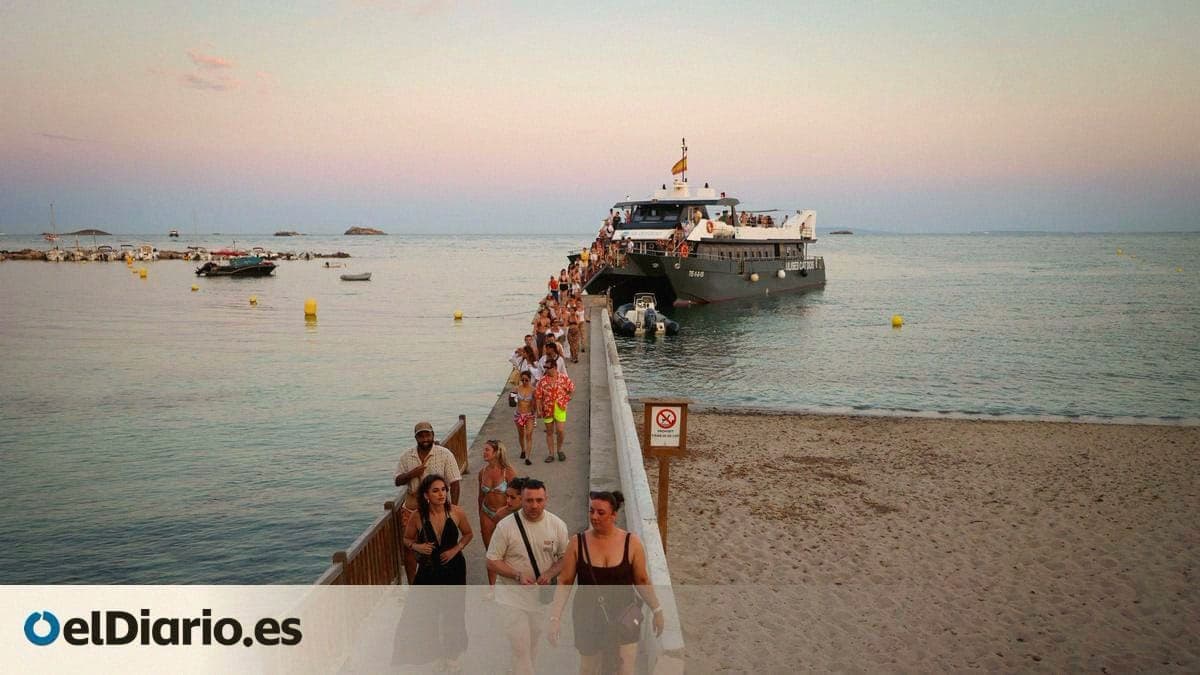
Per Vicious Magazine's reporting, staff at these clubs tell walk-up beachgoers that the space is fully reserved, full stop, regardless of whether the club has actually hit its legal 20 percent cap. Ibiza Hoy's companion investigation, published the same day, describes the same shift in blunter terms: the traditional chiringuito, a sunshade, a table, a reasonably priced sandwich, has been replaced across large stretches of the island by design-led establishments with curated menus and reserved loungers that require that minimum spend just to sit down. The reporter behind that piece put it plainly: what used to be a place where you could sit and put your feet in the sand has, on many stretches of Ibiza's coast, simply disappeared.
"The island lives off tourism, nobody disputes that. What's at stake is what kind of tourism, and at whose expense."
That's the real mechanism here: it isn't a fee dispute, it's an access problem. A local family or a budget traveler gets steered to whatever beach is left, usually the least attractive or least convenient one, while the well-positioned coastline is run as a private product for whoever can absorb a 500 euro minimum.
Why does this land on TTH's beat?
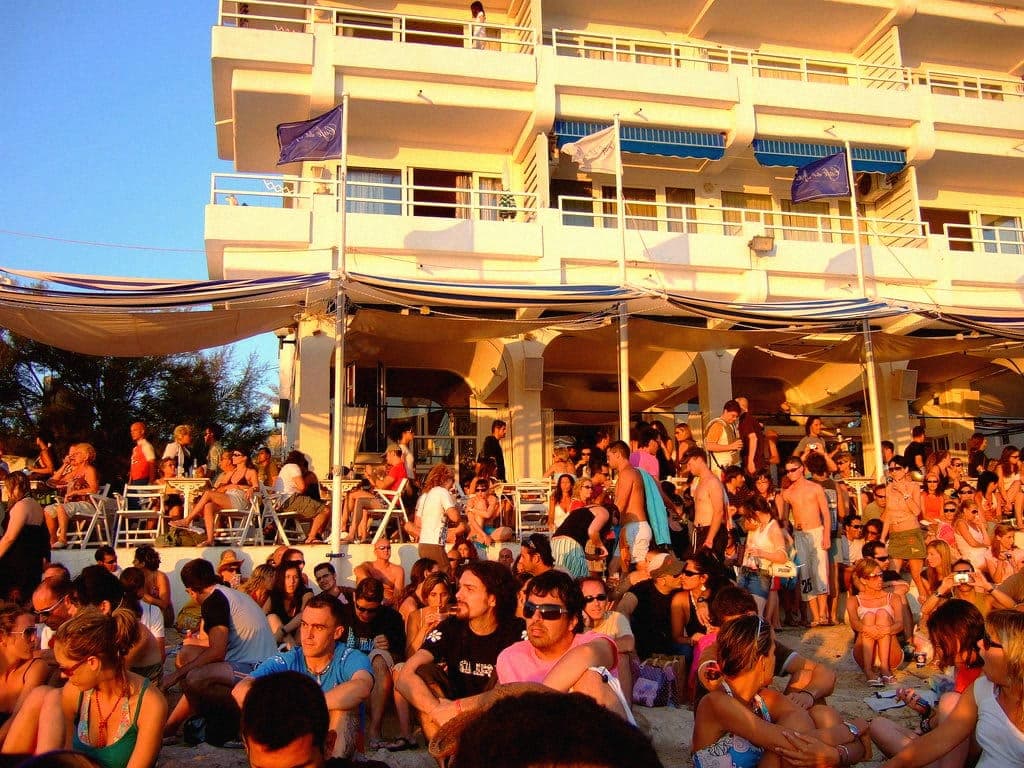
Ibiza's beach club circuit is inseparable from its house and electronic music economy. The daytime lounger business and the sunset DJ set are the same commercial model: sell the seat, then sell the night. It's the same VIP logic TTH has tracked inside the island's clubs for years, tiered tables, minimum spends that scale with proximity to the booth, pricing built to sort a crowd by wallet before the music even starts. What both reports describe is that logic migrating off the dancefloor and onto land that, unlike a nightclub, the law explicitly says has to stay open to everyone.
Who is actually enforcing the 20 percent cap?
Neither report names an inspector, a fine, or a single beach club forced to comply. That silence is arguably the story: a rule exists, on paper, capping commercial reservation at a fifth of any beach, and in practice, per both outlets, it is being exceeded at scale with no visible consequence. The concessions that let these businesses operate come from the town hall in the first place, so every renewed license is also a choice about which model of coastline the council is willing to enforce, and which it is willing to let slide.
Why it matters
A public beach with a 500 euro admission price in all but name isn't a beach club problem, it's a test of whether Ibiza's own coastal protections mean anything once tourism money is on the other side of the ledger.
What we think
This is the same trick the VIP-table economy runs inside the clubs, just moved onto sand the law says has to stay free. If a 10 euro public rate exists and nobody enforces it against a 500 euro workaround, the rate isn't a protection, it's decoration. Ibiza's council either enforces its own 20 percent cap or admits the public beach is a fiction it stopped defending years ago.