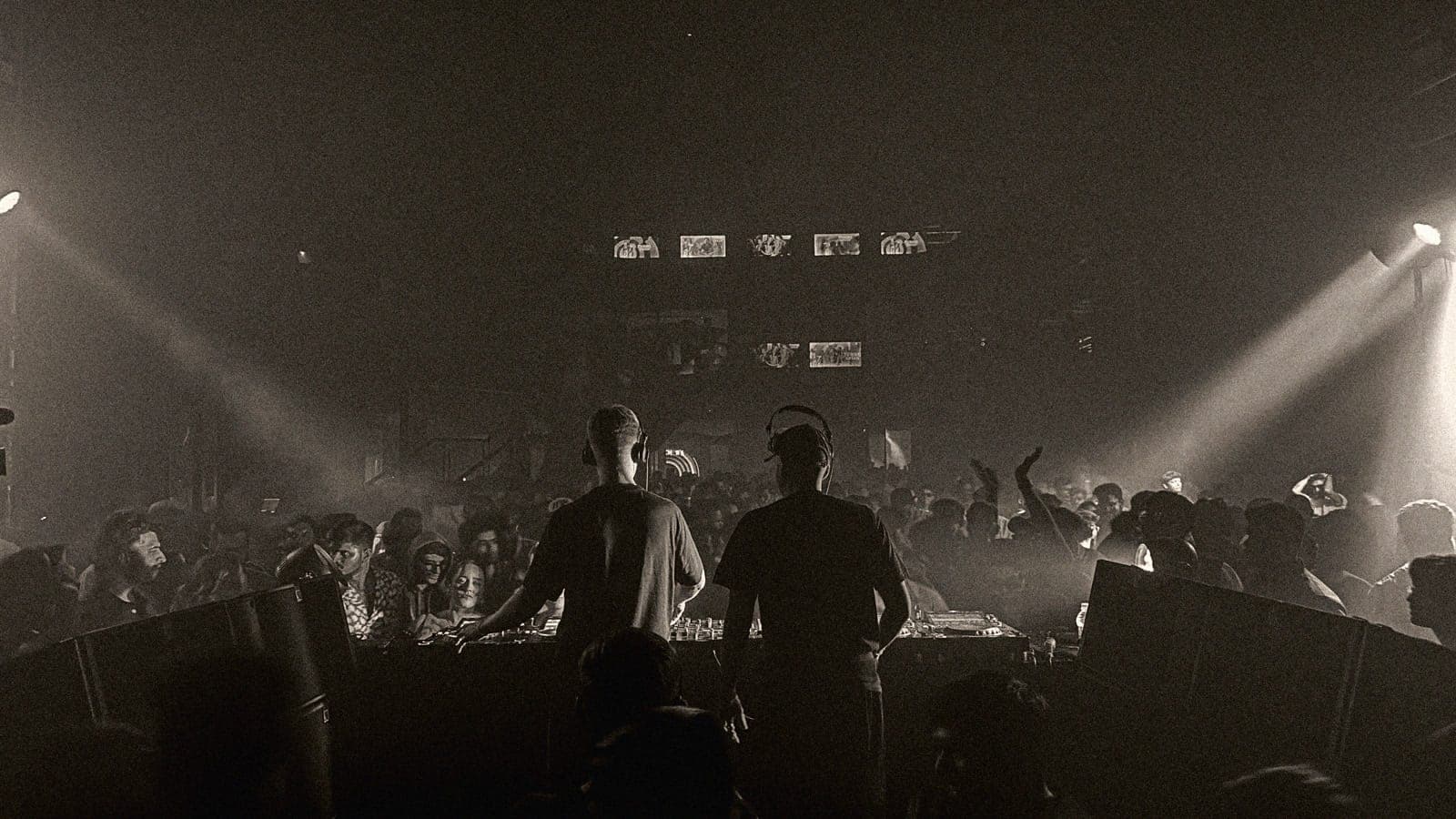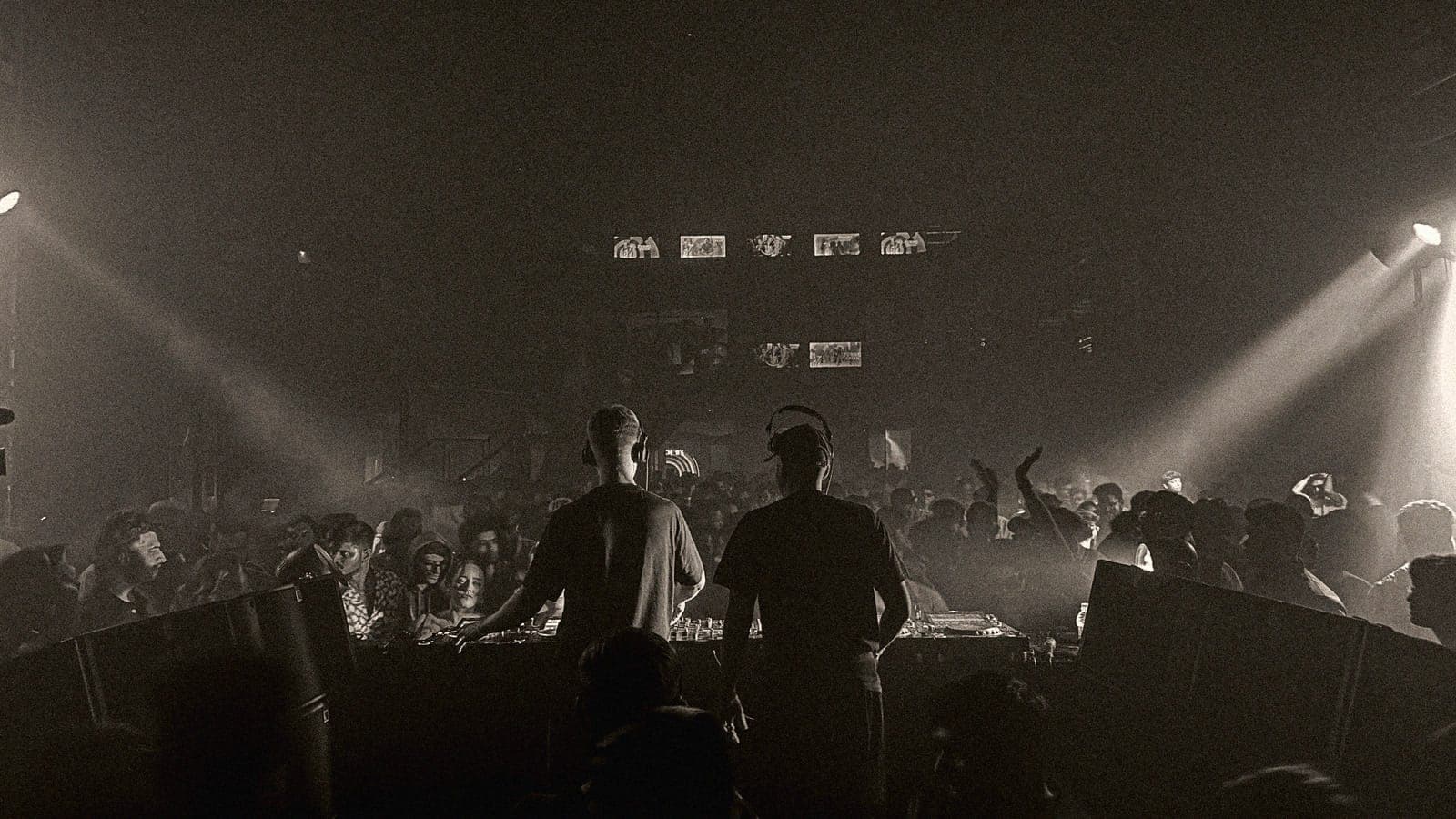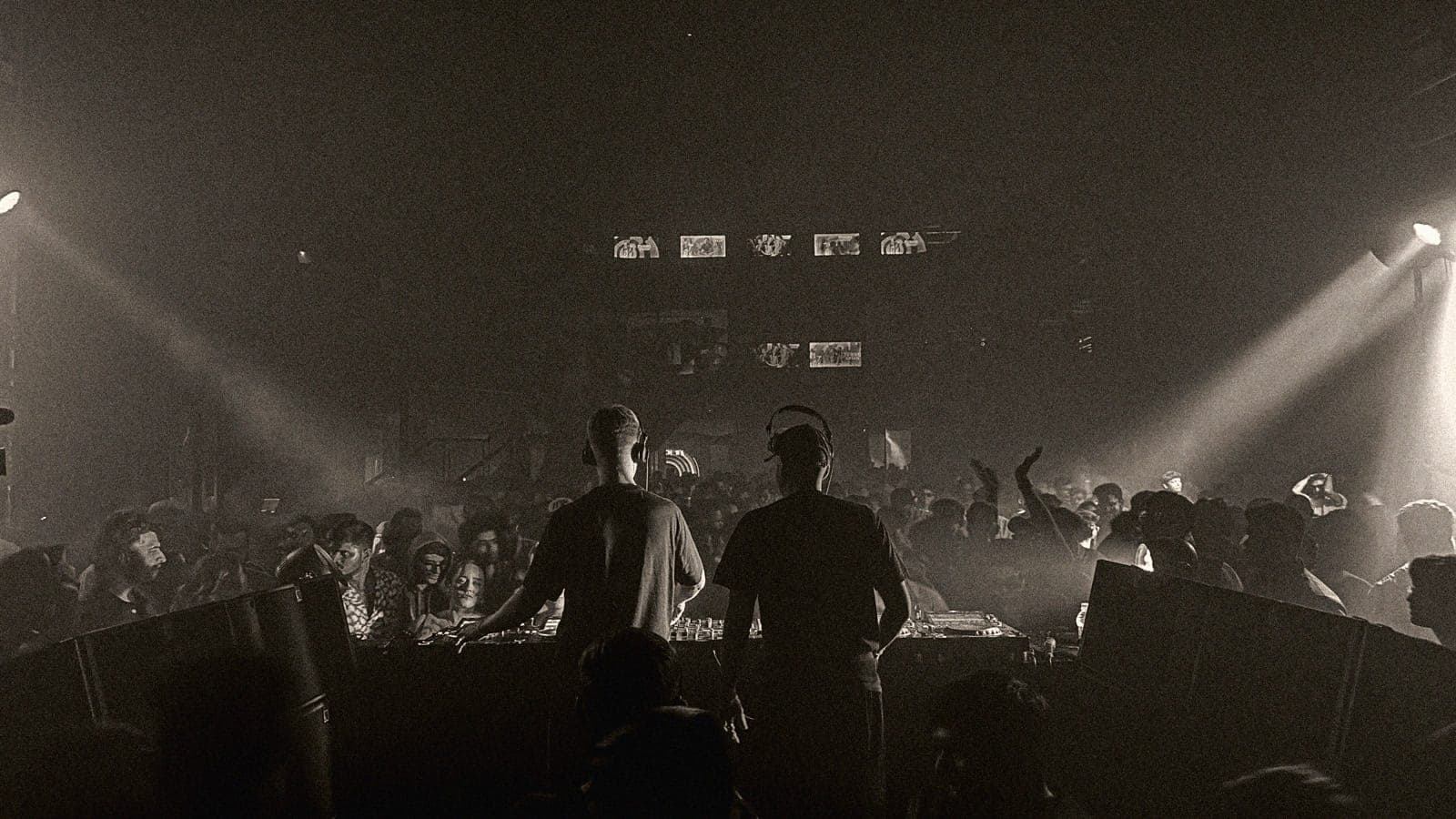
Beatport doesn't add genre pages lightly. Each one comes with its own Top 100, its own curated playlists and, crucially, its own shot at being the chart a booker or a playlist editor actually checks. On October 1, Vintage Culture and company got exactly that: a new category called Indie Tech, split off from Indie Dance.
What actually changed?
Indie Tech is now its own genre page on Beatport, with its own Top 100 chart and a dedicated feature space for the artists and labels working in the style. Beatport describes the sound as punchy drums, prominent basslines and bold synth hooks, pulling from Tech House, Melodic House & Techno, Bass House and even Mainstage, built for peak-time dancefloors rather than warm-up sets. The names attached to it read like a tech house A-list in disguise: Adam Ten, Mita Gami, Vintage Culture and Max Styler, on labels including Maccabi House, Stil vor Talent, Diynamic and Higher Ground.
Indie Dance, meanwhile, keeps what Beatport calls its original lineage: the post-punk, disco and leftfield club tradition the genre tag was built around in the first place, closer to the breezier, more song-oriented records that made Indie Dance a thing a decade ago.
Why split it now?
Beatport's own account, published through its Beatportal blog, says the move came out of direct conversations with artists and labels across both camps who wanted the heavier sound to have a home of its own, rather than get folded into the same chart as the genre's leftfield, more chilled catalogue. Those conversations reportedly also fed into a Beatportal piece on reclaiming Indie Dance's original spirit, which argued the post-punk, disco-leaning side of the genre had been getting crowded out by exactly the kind of club-ready, peak-time records that now define Indie Tech.
"Creating a new space allows both to thrive on their own terms," Beatport VP Raph Pujol said of the split.
Who actually wins the split?
This is where it gets interesting for anyone who books off a chart or curates a playlist by genre tag. A fresh Top 100 means fresh visibility for artists who were previously competing against Indie Dance's whole catalogue, old and new, mellow and club-ready, for the same 100 slots. Vintage Culture, Adam Ten and Max Styler now chart against a much narrower, much more club-aligned pool: easier to top, easier to point to as proof of relevance. Indie Dance, stripped of its biggest club crossover names, goes back to being a smaller, more clearly leftfield lane, which protects its identity but also shrinks its commercial footprint on the platform.
Beatport frames this as listening to the community. It's also, undeniably, good business: a new genre page is a new advertising surface, a new set of curated playlists, a new reason for labels to pitch Beatport directly. Both things can be true at once, and probably are.