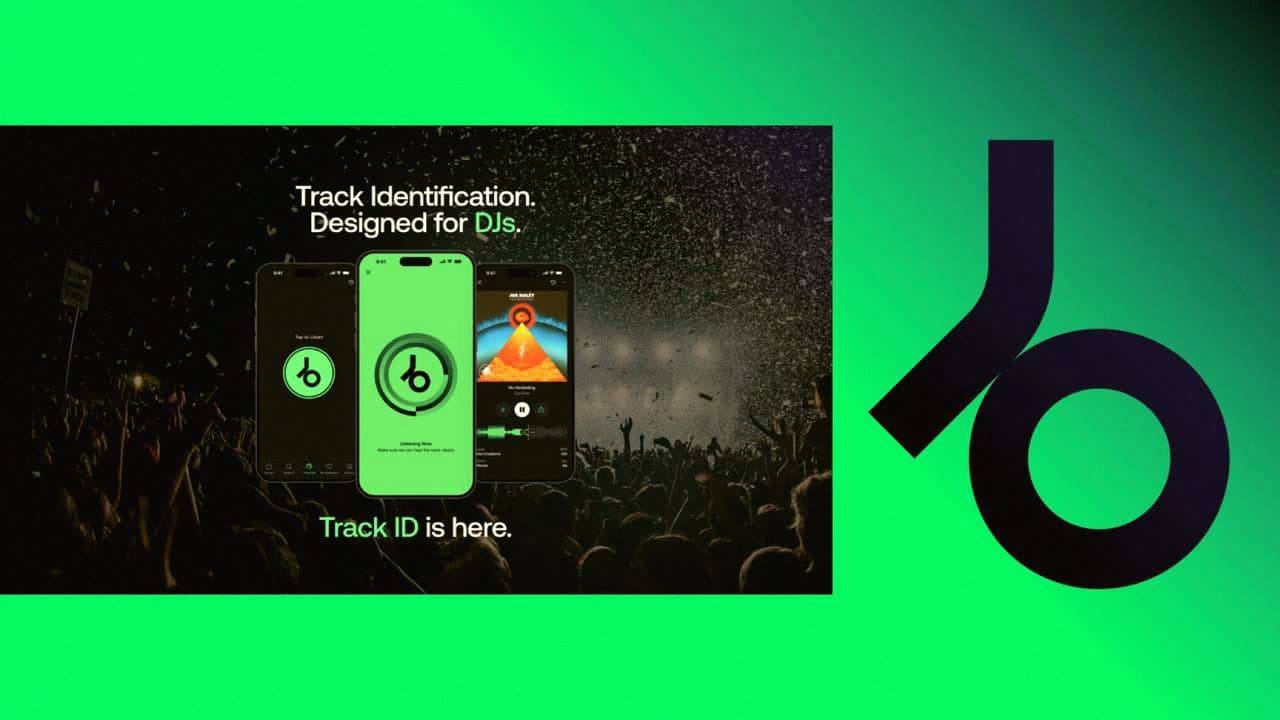
Beatport, the marketplace DJs and producers have used to buy and catalog dance music for 22 years, has a new capital partner. Beatport announced it secured financing from Square Nine Capital, a firm founded by Peter Ma that specializes in debt placed at or near the top of a company's capital structure, meaning Square Nine gets repaid ahead of other claims but does not take an equity stake or board control the way a private equity buyout would. Digital Music News first reported the deal on October 5.
The structure matters here. This is not KKR buying a festival portfolio or Superstruct swallowing up club brands across Europe. It is debt that refinances Beatport's existing credit facility and layers on additional capital, the kind of move a company makes to extend its runway and fund growth without selling pieces of itself away. The amount was not disclosed, and Axar Capital remains in place as an existing partner alongside the new facility.
What does Beatport say the money is for?
CEO Matt Gralen, who came up through Goldman Sachs and the Raine Group before taking Beatport's top job, framed the deal as a vote of confidence rather than a rescue. "We are excited to welcome Square Nine as a new capital partner to Beatport," he said, adding that the firm "shares our conviction in Beatport's leading position and strategic role" in electronic music. Square Nine principal Christopher Brown echoed that, pointing to Beatport's "iconic brand" and "deeply engaged community" as the foundation the capital is meant to build on. Gralen says the funds go toward expansion across Beatport's platform, its products and what the company calls its broader ecosystem, which in practice spans the DJ-facing store, label services through Greenroom and live events like the Connect series, which just held its second Los Angeles edition.
Why does outside capital matter for an AI-free platform?
Beatport spent the summer positioning itself as the anti-AI, pro-human marketplace, banning AI-generated tracks in August and partnering with Beatdapp to police the policy. That stance is part of why DJs and labels trust the catalog they're buying from. A debt deal doesn't change who owns Beatport or how it's run day to day, and the company says its AI-free approach to operations stands. But the scene has learned to watch the money, not just the mission statement, after watching private equity reshape festival ownership and ticketing in recent years. A credit facility that funds expansion is a normal, even healthy, move for a platform this size. It is also a reminder that the infrastructure DJs depend on to buy and organize their music is financed the same way any other tech company is financed, by lenders who expect to be repaid.
"Square Nine shares our conviction in Beatport's leading position and strategic role."
What happens next?
Nothing about how DJs buy tracks or how labels distribute through Beatport changes today. What to watch is whether the "platform, product and ecosystem expansion" Gralen mentions shows up as new tools for labels and DJs, or as pressure to monetize the catalog harder to service the new debt. Both are plausible outcomes of the same sentence, and only the next year of product decisions will say which one it was.