Dave Rossum's E-mu SP-1200 shipped in 1987 at $2,995 and became the backbone of golden-era hip hop, chopped and looped by Pete Rock and sampled into the gritty low-bit textures Cypress Hill rode to platinum. House and techno producers grabbed it too, for the same reason: a 12-bit sample rate and an analog SSM2044 filter that turn clean drum hits into something dirtier and more human. Dave Rossum himself revived it in 2021 with a limited reissue at $3,999. Behringer now wants to put that sound on every bedroom desk for $200.
What is actually in the box?
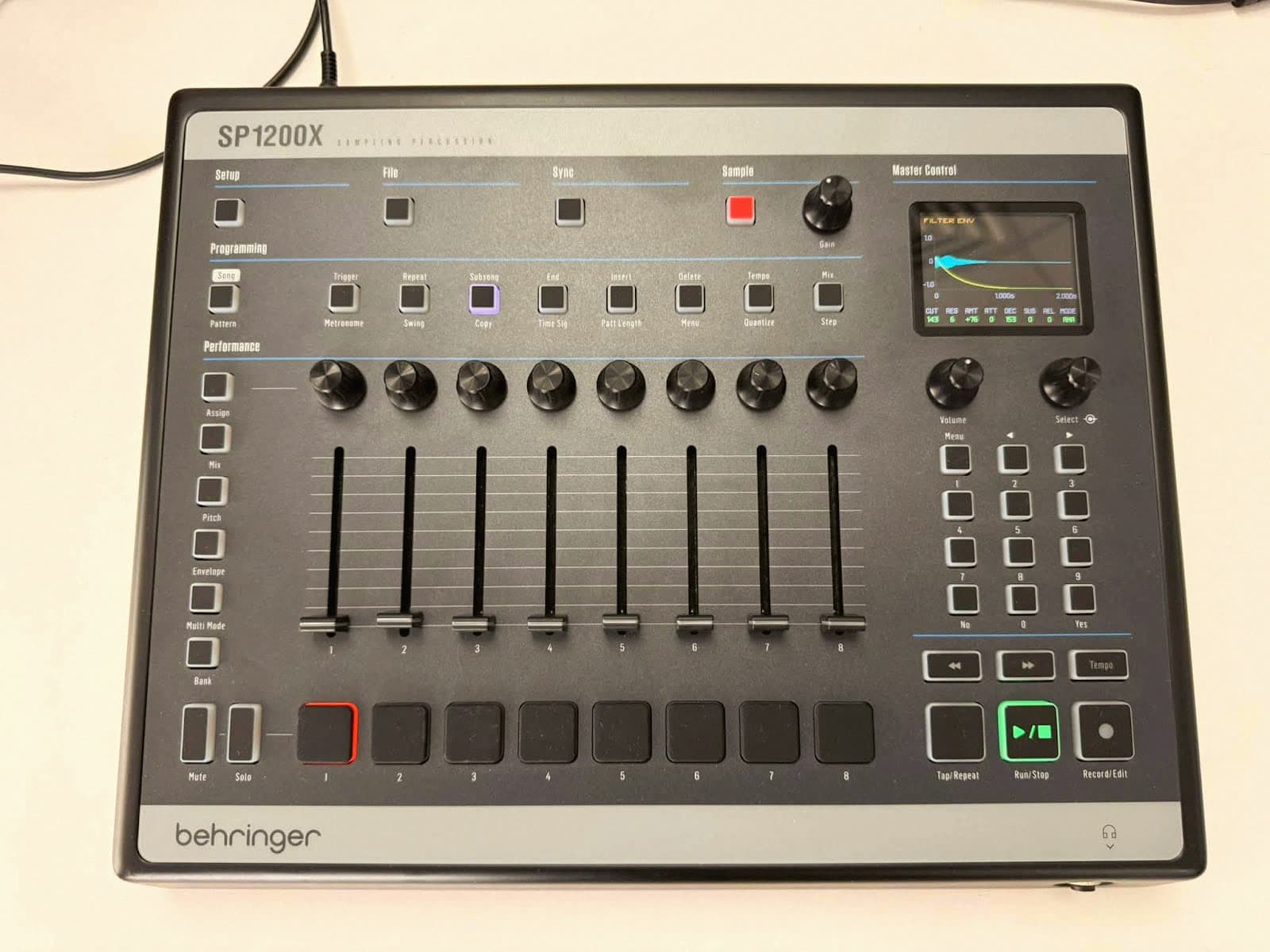
Photos shared through Behringer's channels show a prototype with the SP-1200's familiar eight-pad, eight-slider layout, plus a row of rotary controls and a full-color display, larger than anything on the 1987 original. The back panel carries stereo phono sampling inputs, a stereo mix out, eight independent outputs, full 5-pin MIDI in, out and thru, sync in and out, and both USB-C host and device ports, specs that put the clone well ahead of the original on routing and modern connectivity.
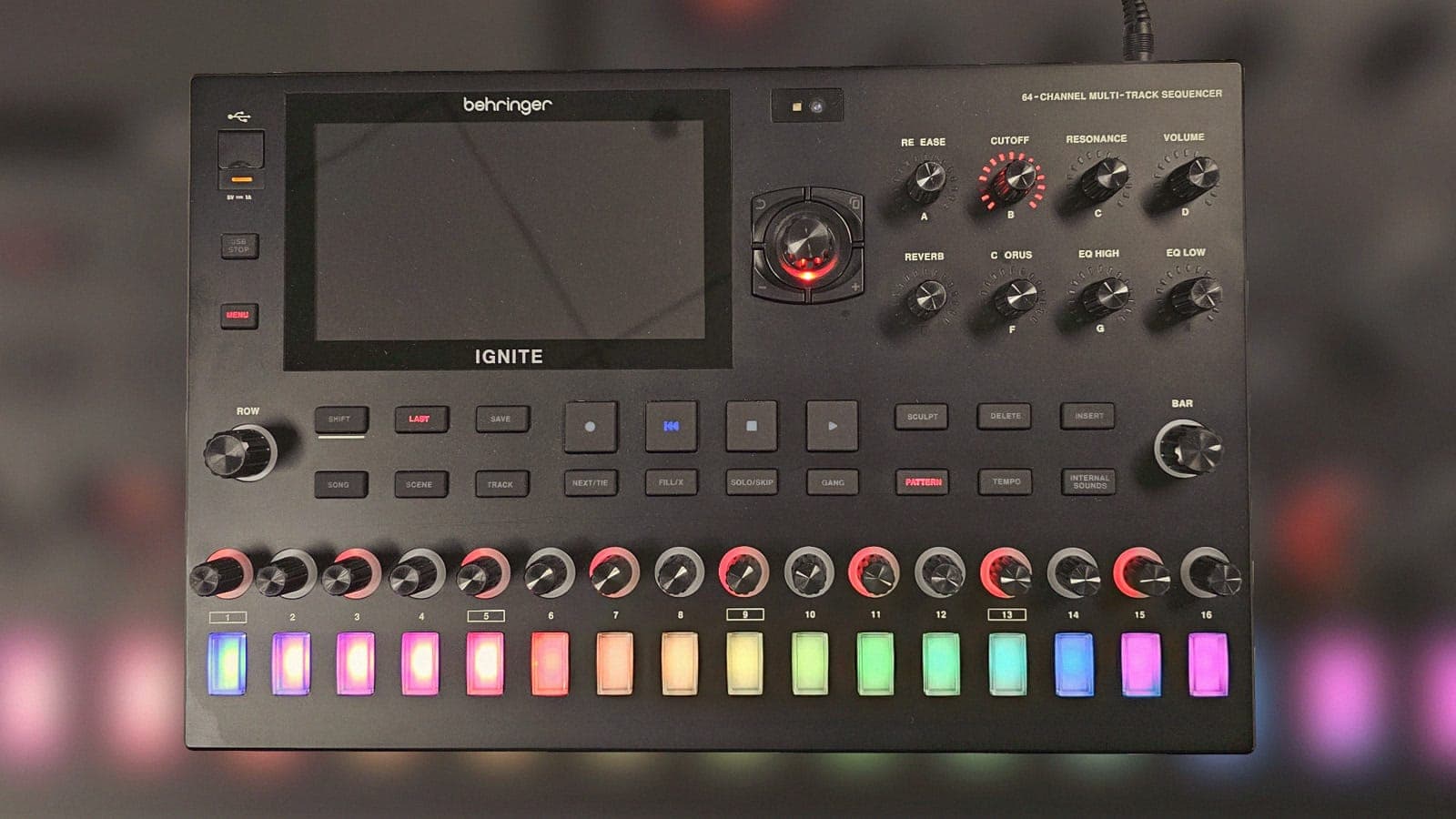
Behringer is marketing the SP1200X as open source, the same label it has put on recent releases like the KICK groovebox and the IGNITE sequencer. The company has not published schematics or source files yet. In its own announcement, Behringer framed the move as a response to its community: "You asked. We listened. We're aiming for just $200. And yes, we're making it open source. Because creativity should have no limits, and iconic instruments shouldn't cost a fortune."
Why does this keep happening with Behringer?
This is the same split that followed Behringer's Minimoog, TR-808 and TR-909 clones: cheaper gear gets a sound into more hands, but it also guts the resale value and mystique that owners of the original, and the handful of boutique reissues like Rossum's $3,999 unit, have built their businesses and reputations on. No schematics or firmware are public yet, so "open source" right now is a promise, not a deliverable, and the SP1200X has no confirmed ship date. Behringer has a long track record of announcing hardware years before it actually lands.
"Creativity should have no limits, and iconic instruments shouldn't cost a fortune."
Whatever you think of the strategy, the SP-1200's crunch defined a specific era of sampling, and a $200 version puts that specific, gritty sound back in reach of anyone who could never afford the original or the reissue.