Why is Berlin trading black for colour?
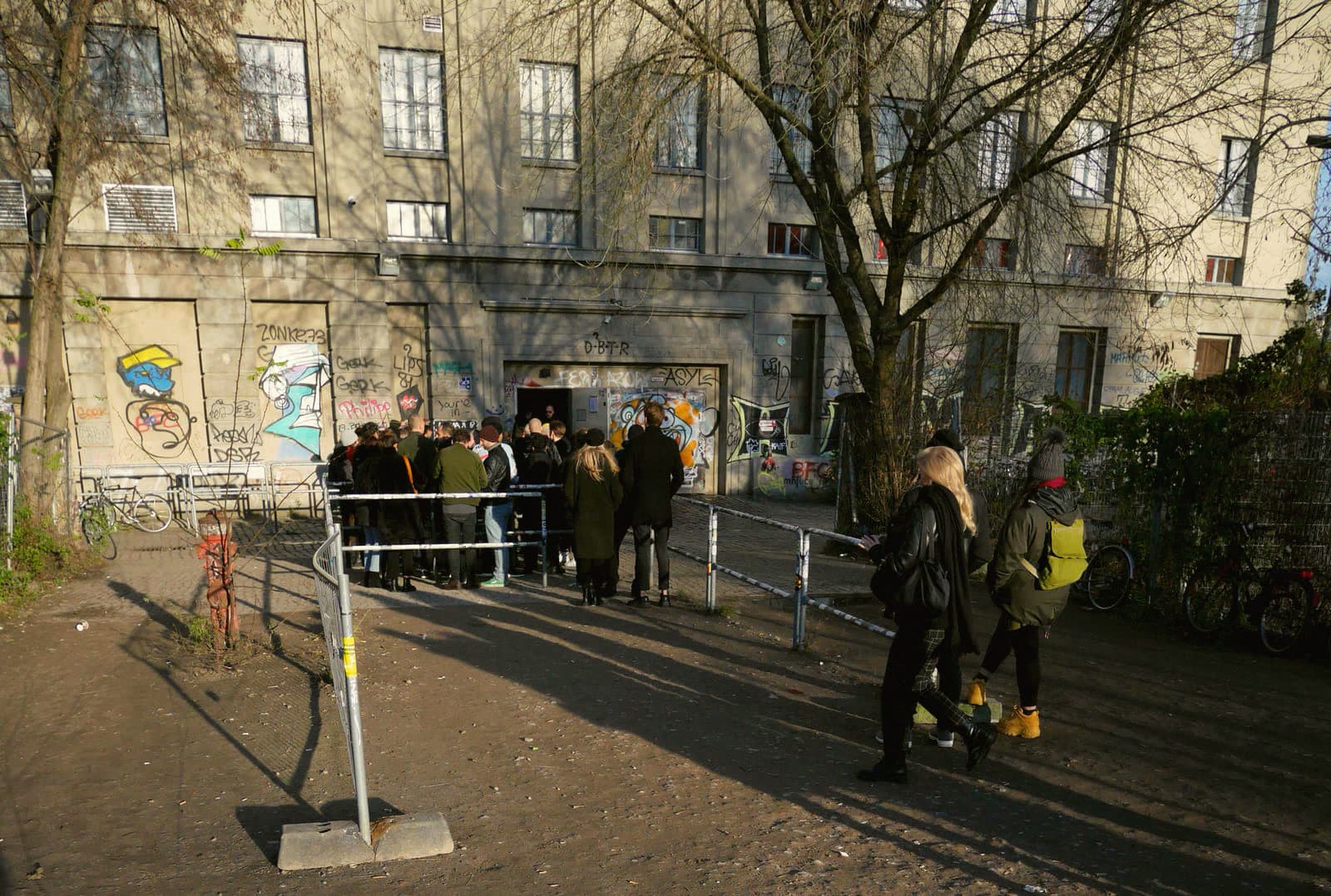
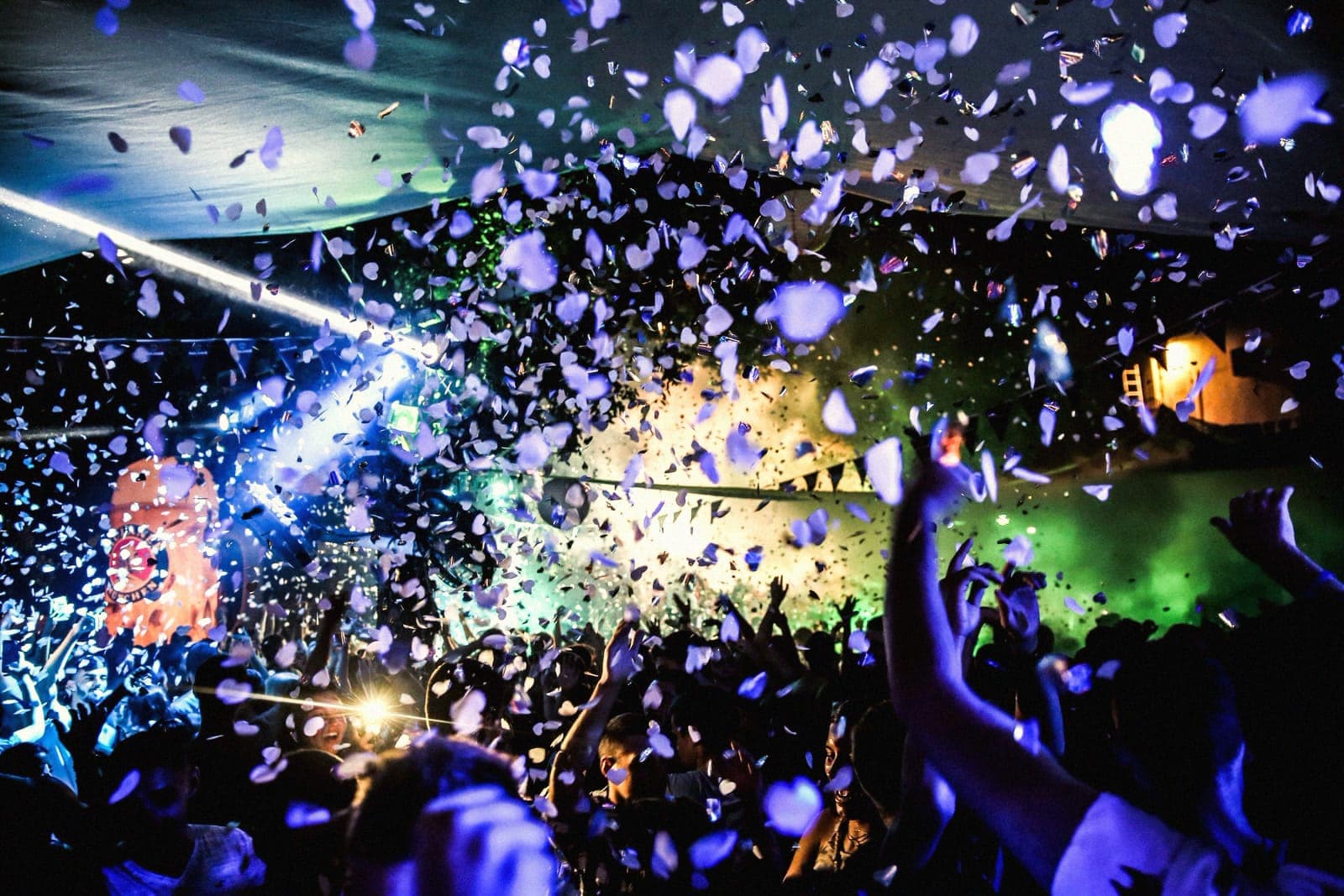
For two decades the city sold one image to the world: dark rooms, all-black dress codes, faces set hard, a religion of relentless kick drums. In 2026 that image is cracking. A wave of coverage led by Dazed on 26 May reads Berlin nightlife tilting toward something warmer: brighter rooms, colour, emotional and openly upbeat music, much of it house rather than the old austere techno.
The eclectic house label Toy Tonics has become the figurehead of the mood. Founder Mathias Modica, who also produces as Kapote, frames it plainly: kindness is the new coolness. "Being surrounded by dark monotone sounds, we wanted Toy Tonics to bring a positive vibe and attitude," he says. The output backs the talk: the label ran around 190 parties in a single year, and newer spaces like Studio 1111, a purpose-built venue in Schoneberg, are pulling a Gen Z crowd that answers global bleakness with escapism rather than more darkness.
Is this evolution or surrender?
Here is where the scene fractures. One camp calls it overdue. The all-black, ultra-serious, gatekept door was always as much about exclusion as about art, and a nightlife built on colour, joy and lower barriers is simply a more honest and more inclusive version of the same city. Less posturing, more people, more music that lets you feel something other than dread.
The other camp hears surrender. The coldness was not a bug; it was the discipline that made Berlin the techno capital in the first place. Strip out the rigour, the seriousness, the refusal to pander, and you are left with a nicer party that could happen anywhere. The worry is not that kindness is bad, but that it is being used to sand down the exact edges that gave the city its authority.
Kindness is the new coolness, or the softening of everything that made the room matter.
What is really killing the old Berlin?
The romance obscures the balance sheet. This turn is happening against Klubsterben, the club deaths, a brutal contraction. Watergate closed after New Year's Eve 2024 after 22 years, citing rising rents, post-pandemic strain, inflation and a generational shift. SchwuZ, the city's oldest queer club at roughly 50 years old, filed for bankruptcy in August 2025. Renate announced its own closure when its lease expired, then won a lease extension and is set to reopen in 2026.
Clubcommission Berlin, the body representing the city's venues, is not framing this as a vibe shift at all. Its survey found roughly 46% of clubs considering closure, 61% reporting a significant drop in profits and 52% seeing fewer visitors year on year. Its strategy pushes nightlife toward cheaper outer districts. The era of accidental clubs squatting prime real estate, the era that produced places like Berghain, is ending on economics, not aesthetics. The warmth may be less a free choice than the sound of a scene adapting to survive.