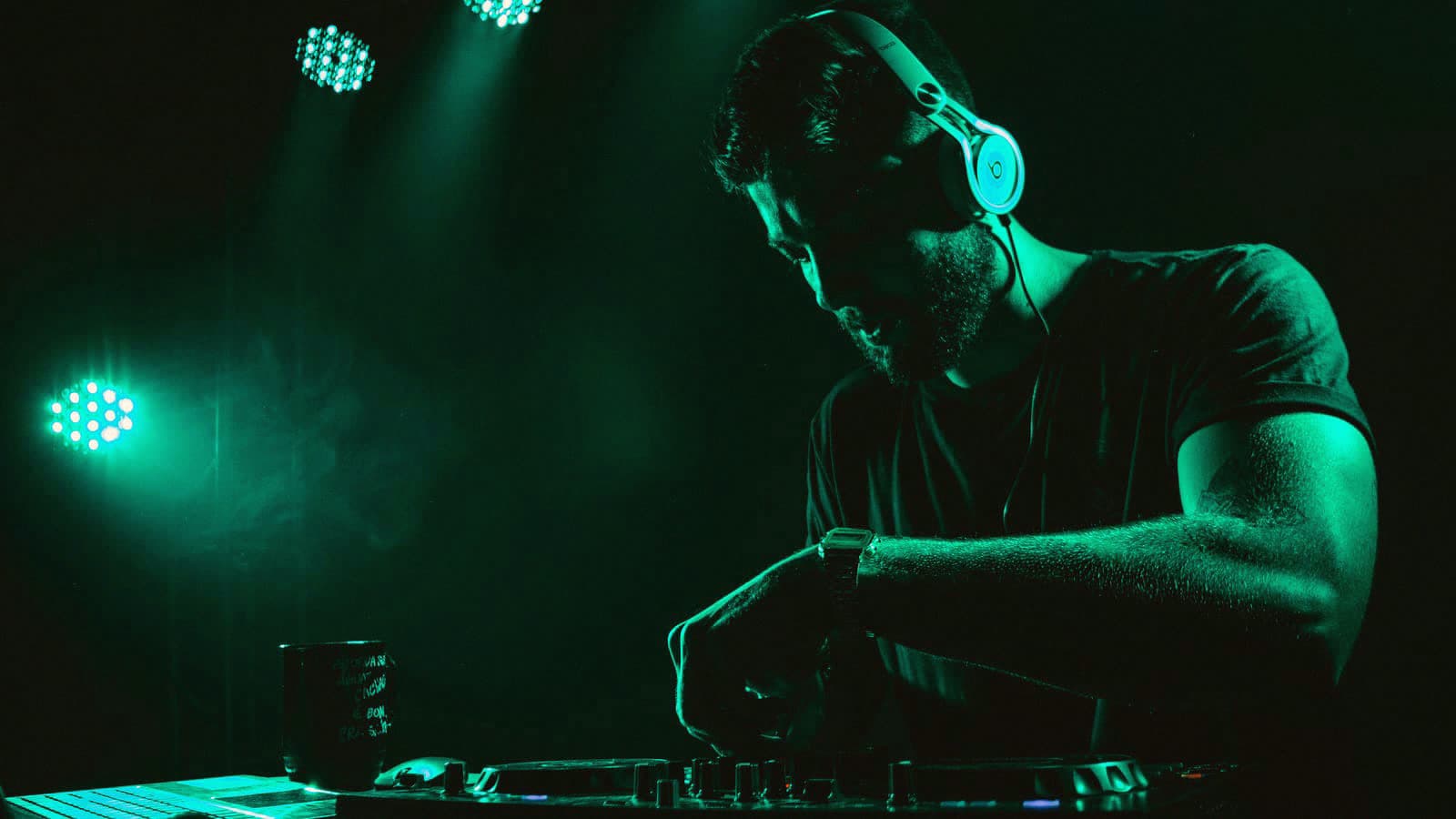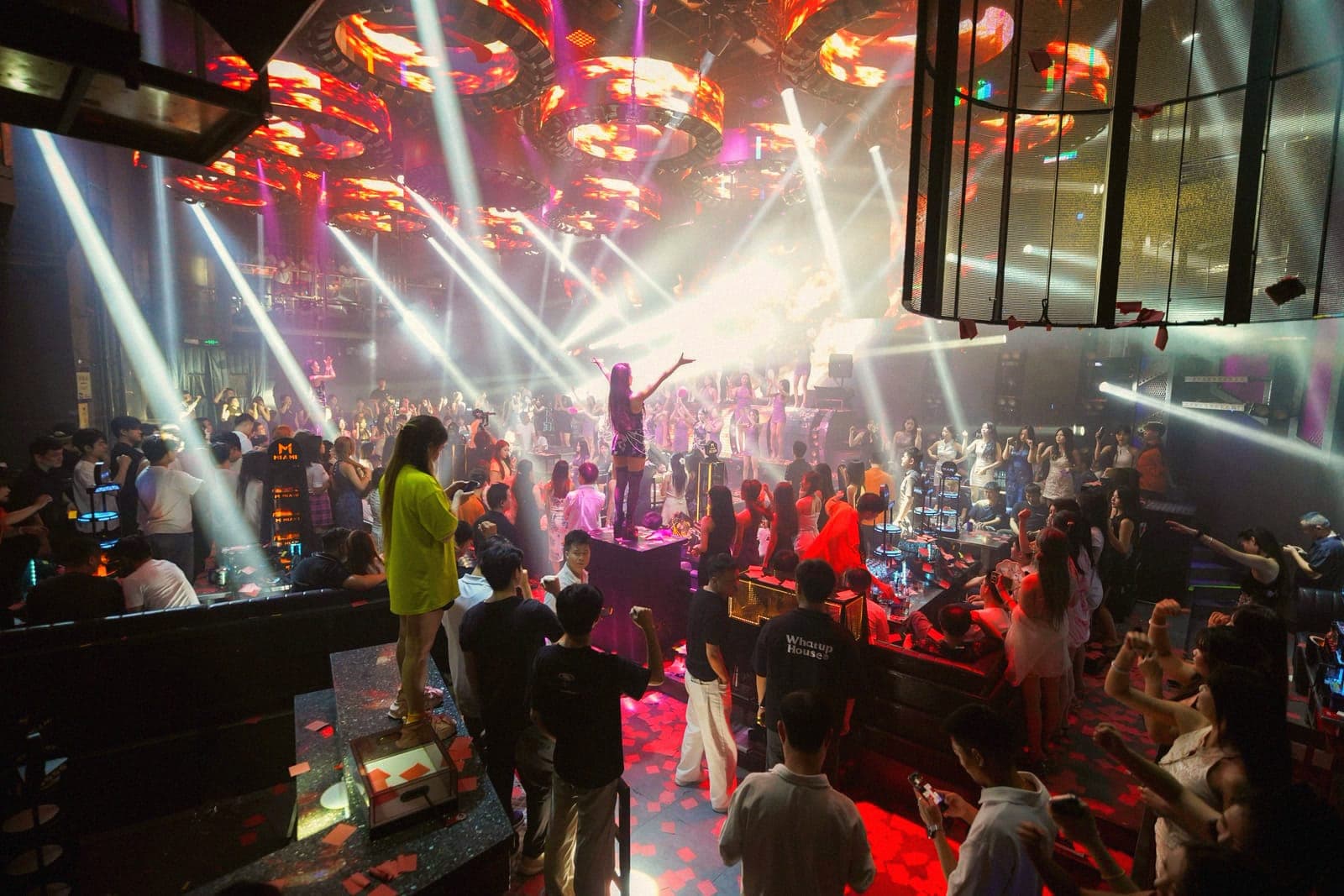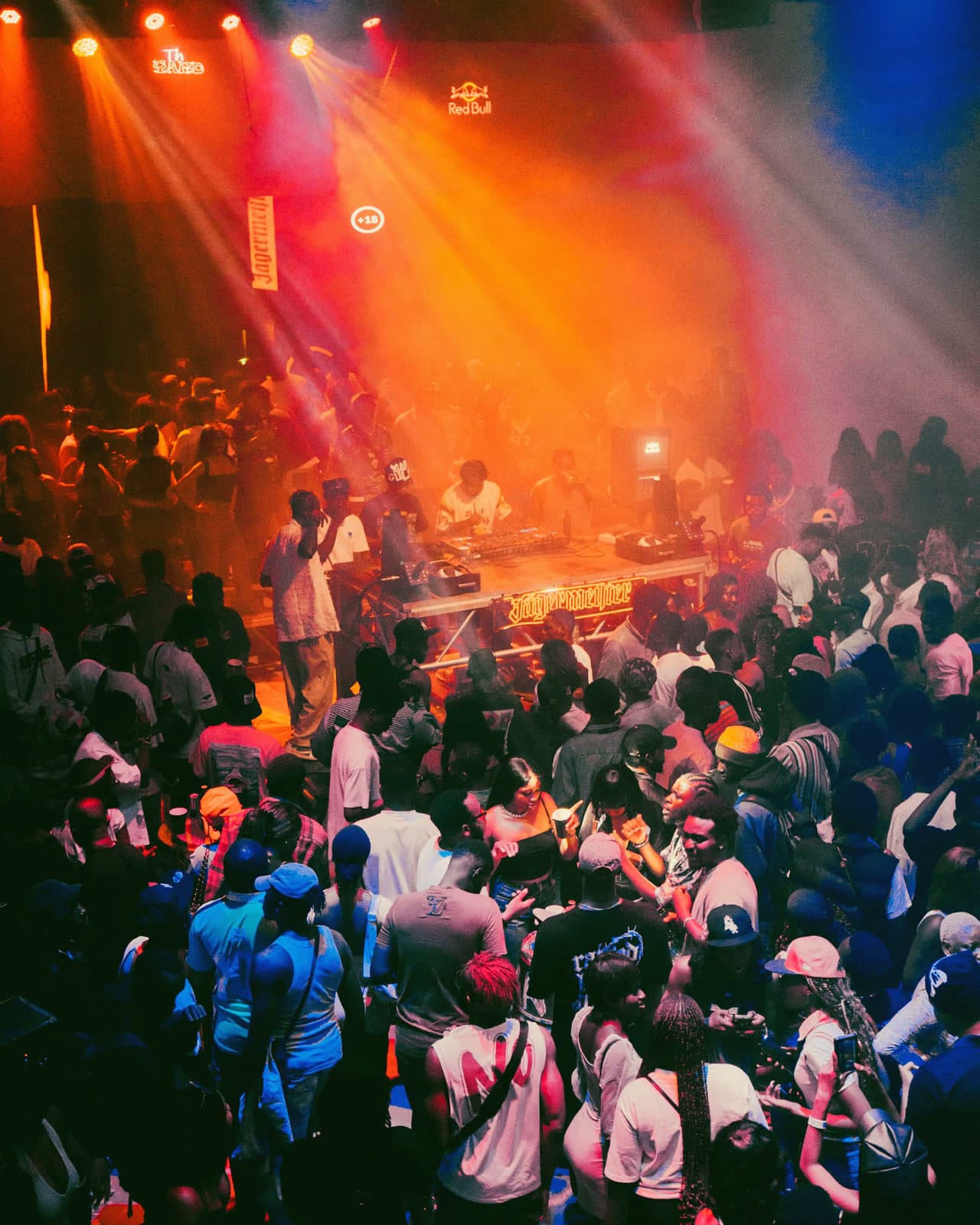
Berlin's club scene is getting a cash injection this autumn, and for once the number is specific. Clubcommission Berlin, the nonprofit trade body for the city's nightlife, is distributing 410,000 euros across 32 grants as part of Tag der Clubkultur 2026 (Club Culture Day), the festival week running October 3 to 11.
How much money is actually on the table?
The 410,000 euros breaks down into tiered awards: clubs can win up to 20,000 euros, collectives up to 10,000 euros, and newcomer designations bring 10,000 euros for clubs or 5,000 euros for collectives. That is an average of roughly 12,800 euros per grant across the 32 recipients. The funding itself comes from Berlin's Senate Department for Culture and Social Cohesion, with Clubcommission Berlin running the application process, judging and disbursement, now for the seventh year running.
Beyond the 32 paid awards, the festival week spotlights more than 110 clubs, collectives, radio stations and initiatives across over 100 events, including club nights, open-airs, talks, workshops and film screenings across the city.
Can public money actually offset a club crisis?
Here is the tension the Senate's press release does not spell out: 410,000 euros sounds substantial until it sits next to what it actually costs to keep a Berlin club open. SchwuZ, billed as Germany's oldest queer club, permanently closed its doors in November 2025 after its director said the venue was losing between 30,000 and 60,000 euros a month, unable to consistently draw the 800 to 1,000 people a night it needed to break even. A single top-tier Tag der Clubkultur grant, at 20,000 euros, would not have covered even one month of those losses.
Katharin Ahrend, the festival's project director and Clubcommission Berlin's managing director, put the pressure in blunt terms: "Here, a scene works under considerable pressure and challenging framework conditions in times of shrinking spaces, political rightward shifts and recession."
"Here, a scene works under considerable pressure and challenging framework conditions in times of shrinking spaces, political rightward shifts and recession."
That is the real story: this is public recognition and a genuine financial boost for the venues still standing, not a rescue package for the ones already priced out.
What does STAY CORE actually mean this year?
The 2026 theme, STAY CORE, is built around three ideas: remaining, care and resistance, framed explicitly around how club culture asserts itself as costs rise, spaces disappear and pressure grows from multiple directions at once. It is less a celebration than a statement of intent, timed to land the same autumn Berlin's nightlife press keeps running obituaries for venues like SchwuZ.
Grant winners were announced at the festival's opening on October 3, alongside marquee moments for scene fixtures like Kreuzberg's Gretchen, which is marking its own anniversary during the week.