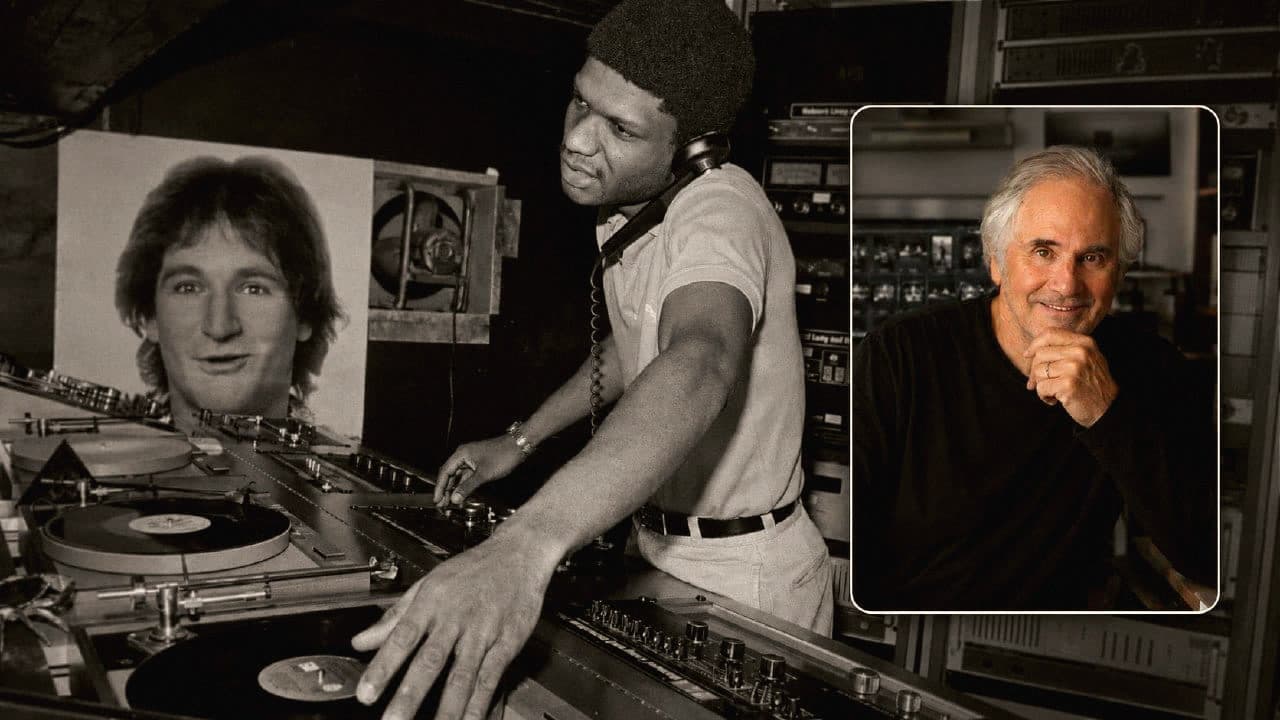
From Studio 54 to Paradise Garage, Bill Bernstein photographed New York nightlife at the precise moment when disco was becoming culture, DJs were becoming storytellers, and the dancefloor was becoming a world of its own.
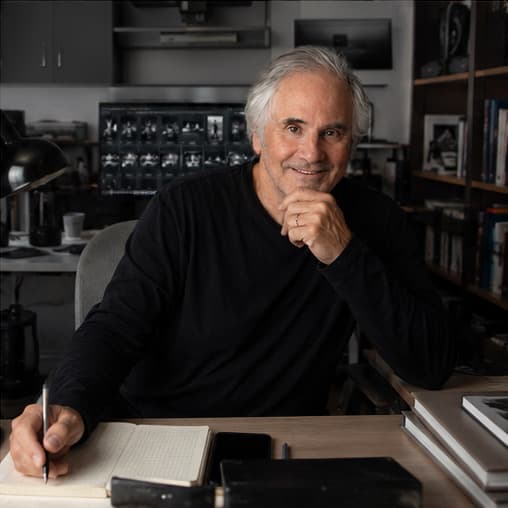
Long before nightlife was content, before DJs performed toward a sea of raised phones and before every night risked becoming permanent evidence on the internet, Bill Bernstein was photographing people disappearing into the moment.
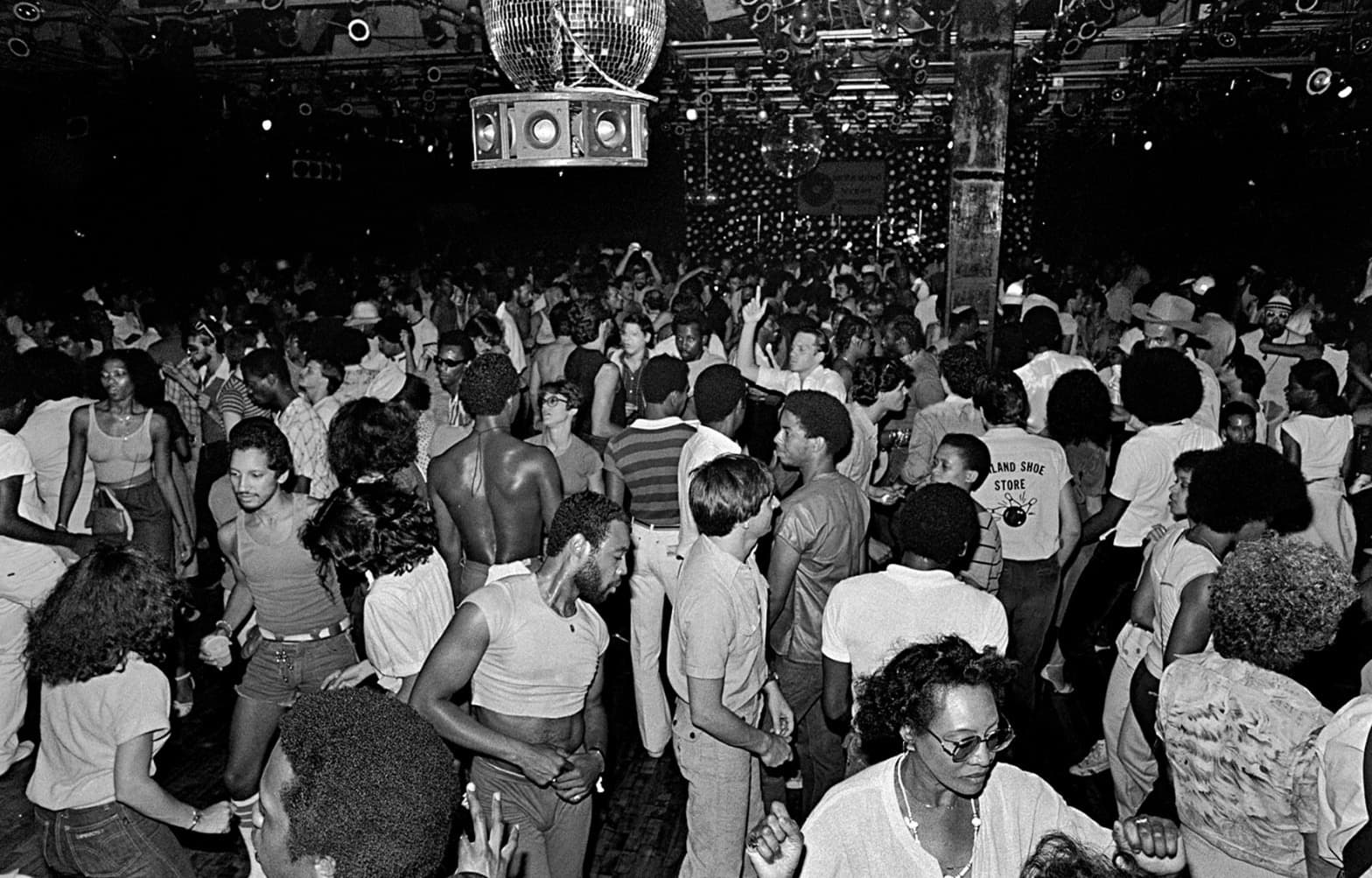
Bernstein entered New York nightlife almost by accident. A young photographer working for The Village Voice, he was sent to Studio 54 in the late 1970s and found himself fascinated not by the celebrities that made the club famous, but by what was happening around them: bodies in motion, strangers connecting, identities loosening, and entire rooms surrendering to music.
He kept going.
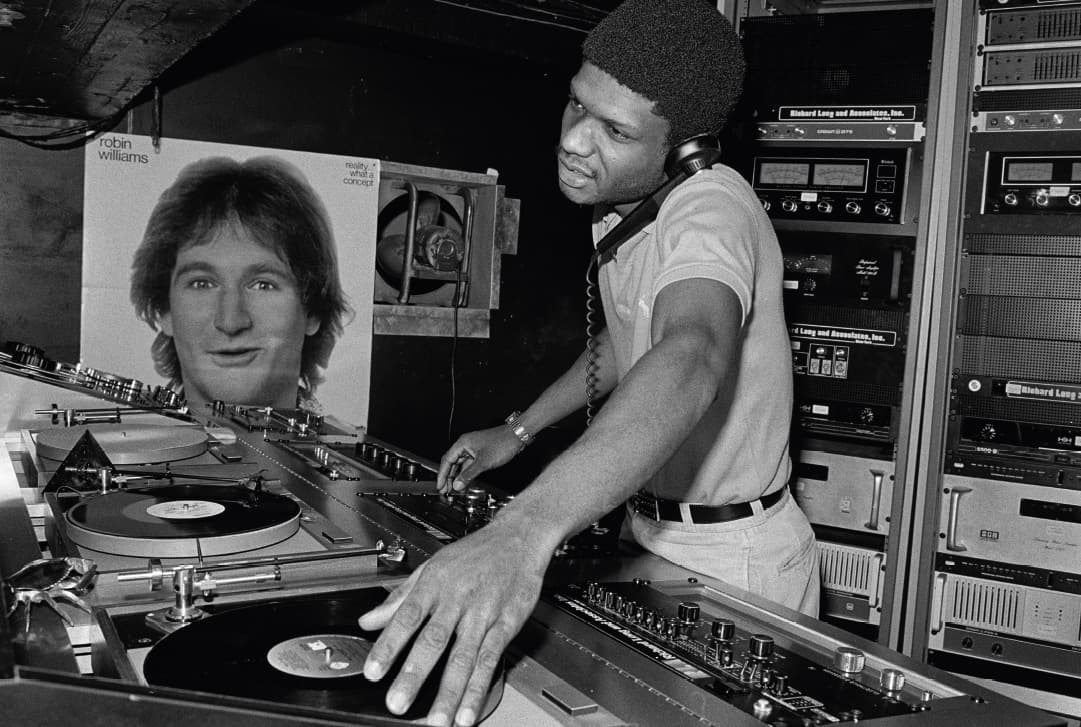
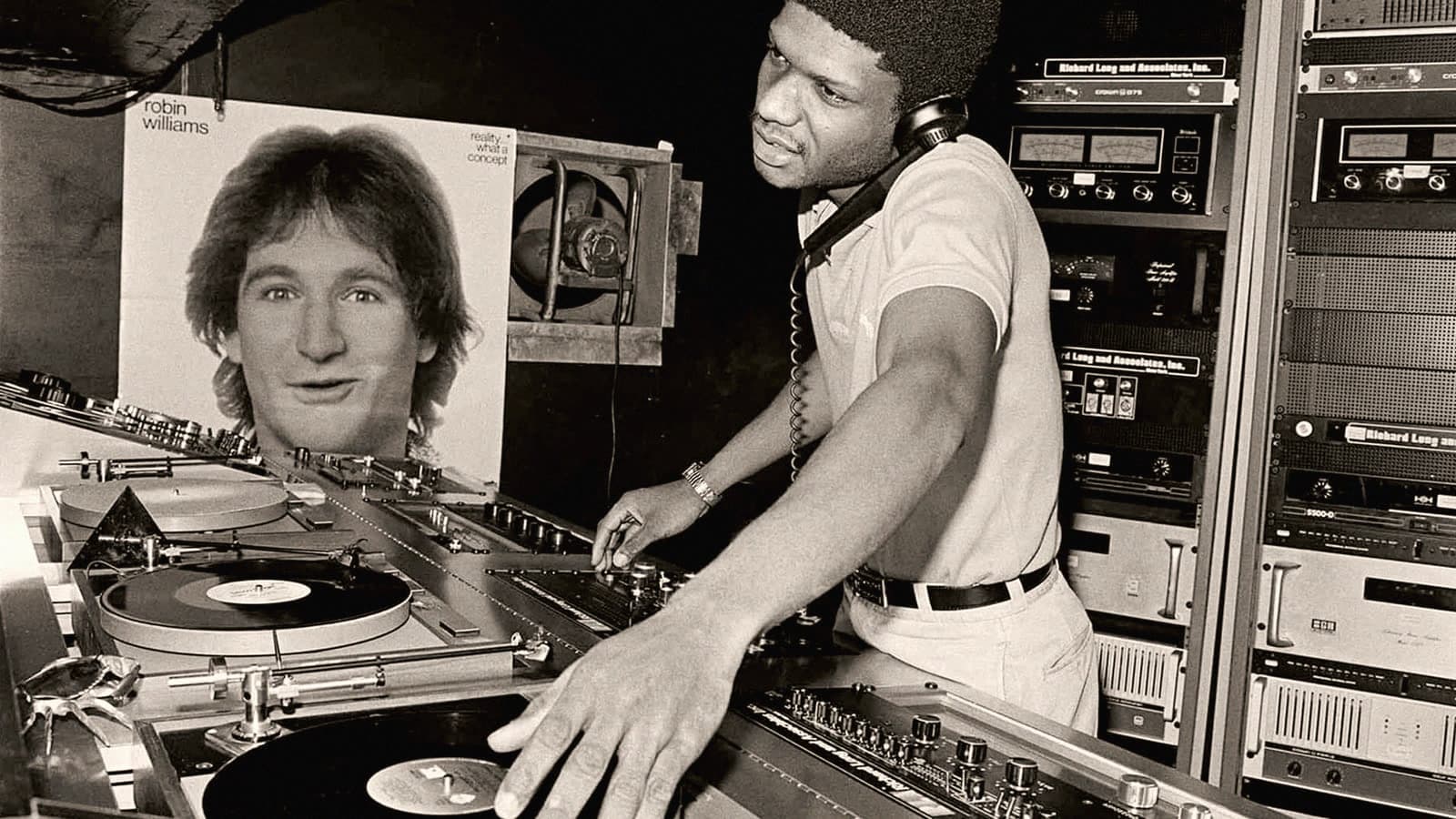
His camera took him through Studio 54, Paradise Garage, Xenon, GG's Barnum Room and other spaces that would eventually become foundational to modern house music culture. He photographed Larry Levan at work, witnessed the rituals from which contemporary DJ culture emerged, and documented a fleeting period of liberation after Stonewall and before the devastation of the AIDS epidemic.
Nearly fifty years later, those photographs have become something Bernstein never intended them to be when he made them: historical documents.
Yet what makes them endure is precisely that they rarely feel historical. They feel alive.
We spoke with Bernstein about photographing Larry Levan, the architecture of Paradise Garage, what house inherited from disco, Studio 54's complicated door politics, how smartphones changed the dancefloor, and the ethical line between documenting freedom and exploiting vulnerability.
1. For readers discovering you for the first time, who is Bill Bernstein? What drew you to New York's nightlife, and why did you want to capture that world through photography?
I've always thought of myself as someone who's very curious about people. The camera gave me permission to get closer without seeming too nosy, although I probably was.
I was just starting my photography career at the Village Voice when I got an assignment to photograph Studio 54 one night. I went in knowing very little about that world, and the experience completely grabbed me. It made me curious about the club culture that was happening in New York in the late 1970s, so I began going to other clubs and photographing what I found.
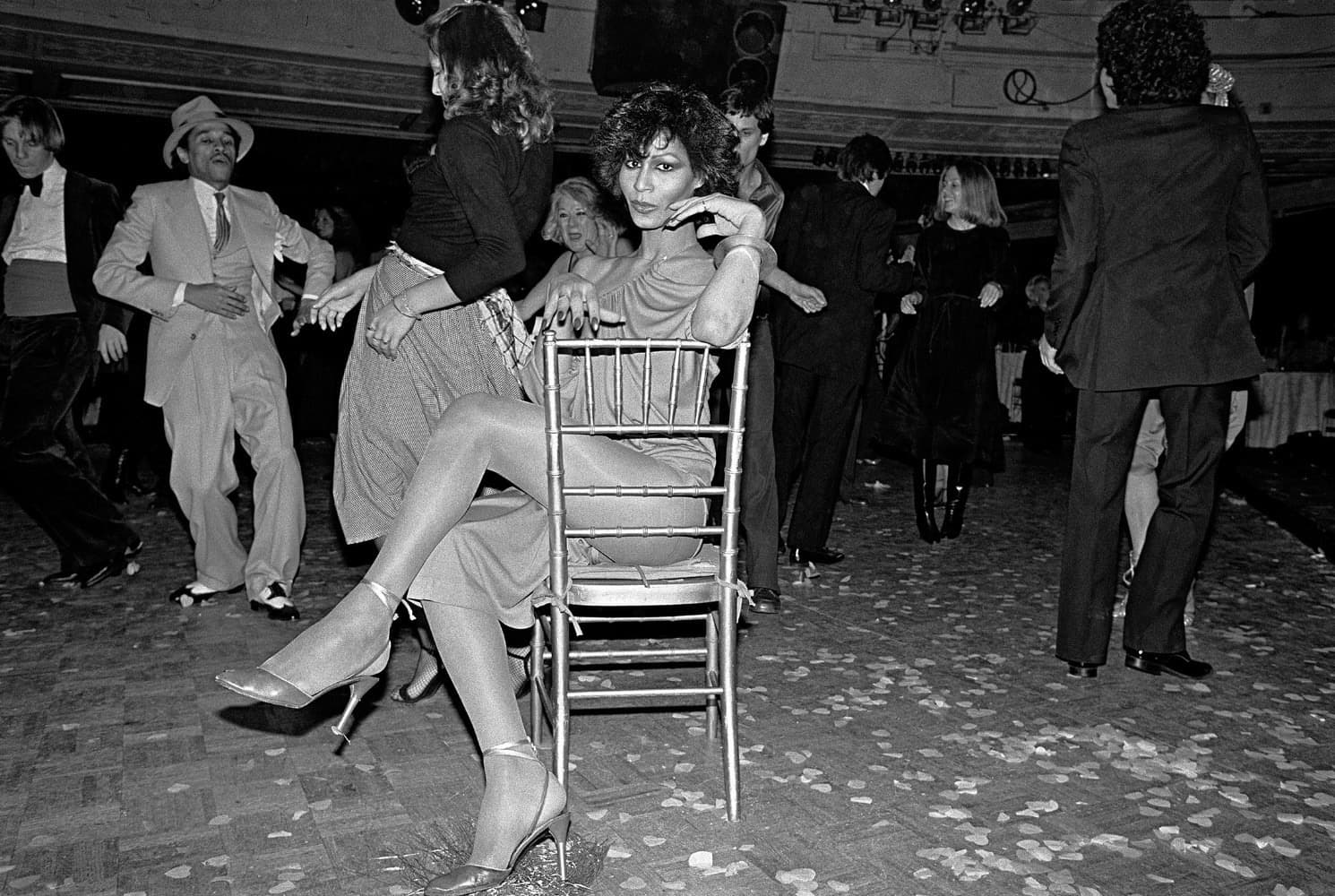
I wasn't chasing celebrities. I was interested in the people on the dance floor, the way they connected, the freedom, the joy, and those moments when they forgot they were being watched. Looking back, I realize I was photographing a very particular moment in time, after Stonewall and before the AIDS epidemic, when people were discovering new kinds of freedom and creating communities around music and nightlife.
2. Paradise Garage is now recognized as the place where DJ and dancefloor culture as we know it began. At the time, did you sense that you were documenting the birth of something culturally significant, or did that only become clear in hindsight?
Not at all. I wasn't thinking about documenting history. I was simply trying to make the strongest photographs I could. At the time, these clubs were just part of New York's nightlife. None of us knew that places like Paradise Garage would eventually be recognized as the birthplace of modern dance music and DJ culture.
Looking back, I realize how fortunate I was to be there. Paradise Garage generally didn't allow photography, but I was given permission to photograph there over several nights because of my connection with The Village Voice. Those few nights produced some of the most important photographs I've ever made, and it's been incredibly rewarding to see them become part of the visual history of Paradise Garage and New York's dance culture.
History has a way of revealing itself years later. At the time, I was simply trying to understand what I was seeing and make the best photographs I could.
3. Which single photograph, for you, holds the entire feeling of that era? What was happening in the room, and why does that particular image carry so much meaning?
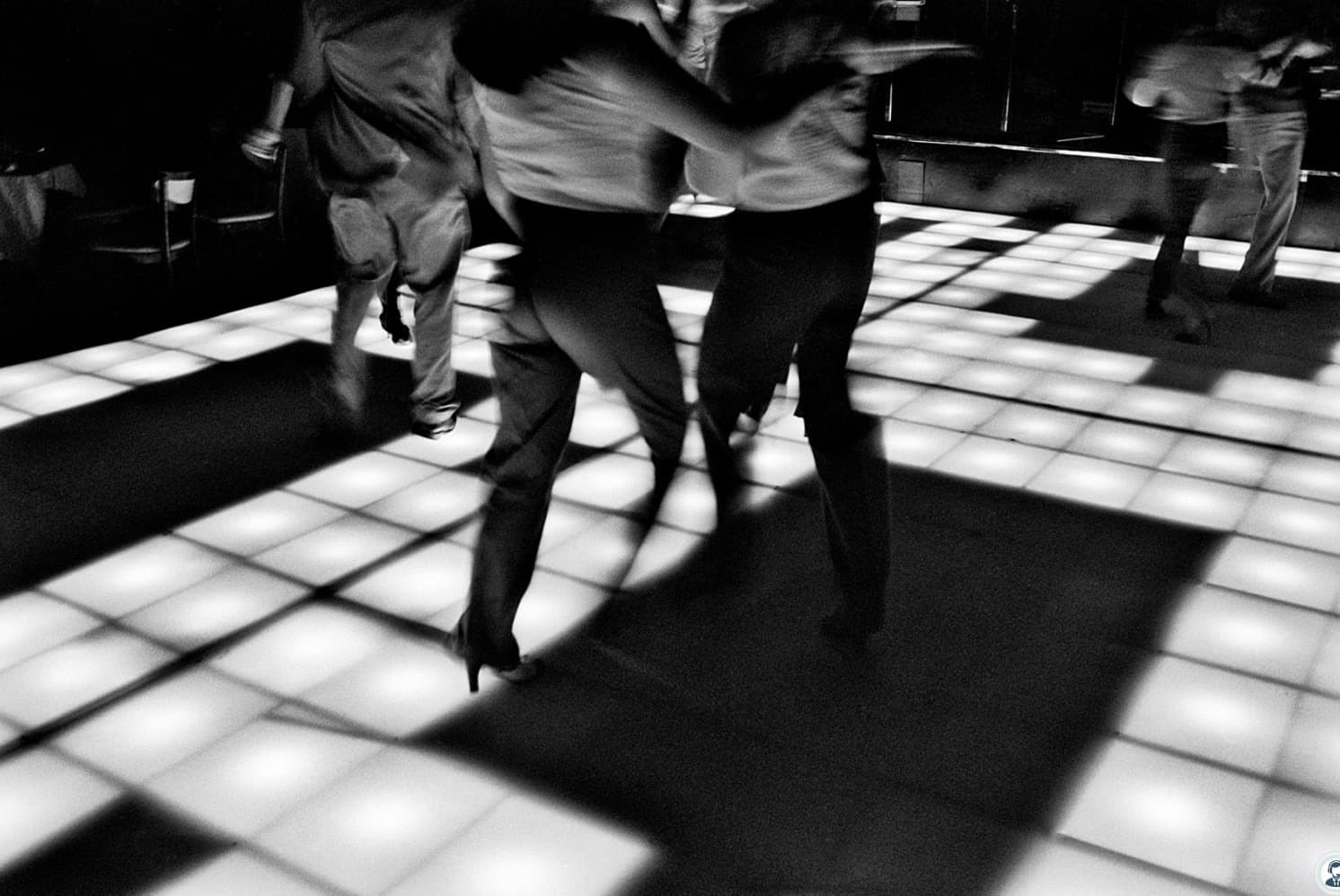
For me it's the Paradise Garage dance floor photo. Nobody is performing for the camera. Everyone has disappeared into the music. That's really what those nights were about. The photograph isn't about one person, it's about a community sharing the same emotional experience. Fifty years later, I can still feel the energy in that room every time I look at it.
4. Do you remember the night you photographed Larry Levan in 1979? What was he playing, what was the atmosphere in the room, and what did you personally feel as you watched him perform?
I don't remember exactly what Larry was playing that night. What I remember is watching him work and feeling like I was watching a master. He was like the conductor of the room. He knew when to build the energy, when to pull it back, and when to bring everyone up again. You could feel hundreds of people responding to every shift he made.
I was fascinated by his concentration and the energy he put into what he was doing. I was trying to capture that focus and intensity as he worked, and the connection between Larry and the dance floor.
5. Were you simply documenting the performance and theatre of nightlife, or did your presence and your camera sometimes help create it?
I don't think I created the moment. My job was to disappear into it. People accepted me because they sensed I wasn't there to embarrass them or expose them. They knew I was approaching it as an artist, not as paparazzi. Once they trusted that, they stopped paying attention to me and became themselves again. That's what I was looking for.
I never walked into those clubs looking for the shocking picture or the embarrassing moment. I went in thinking like an artist, asking myself what the room felt like and how I could express that in a single photograph.
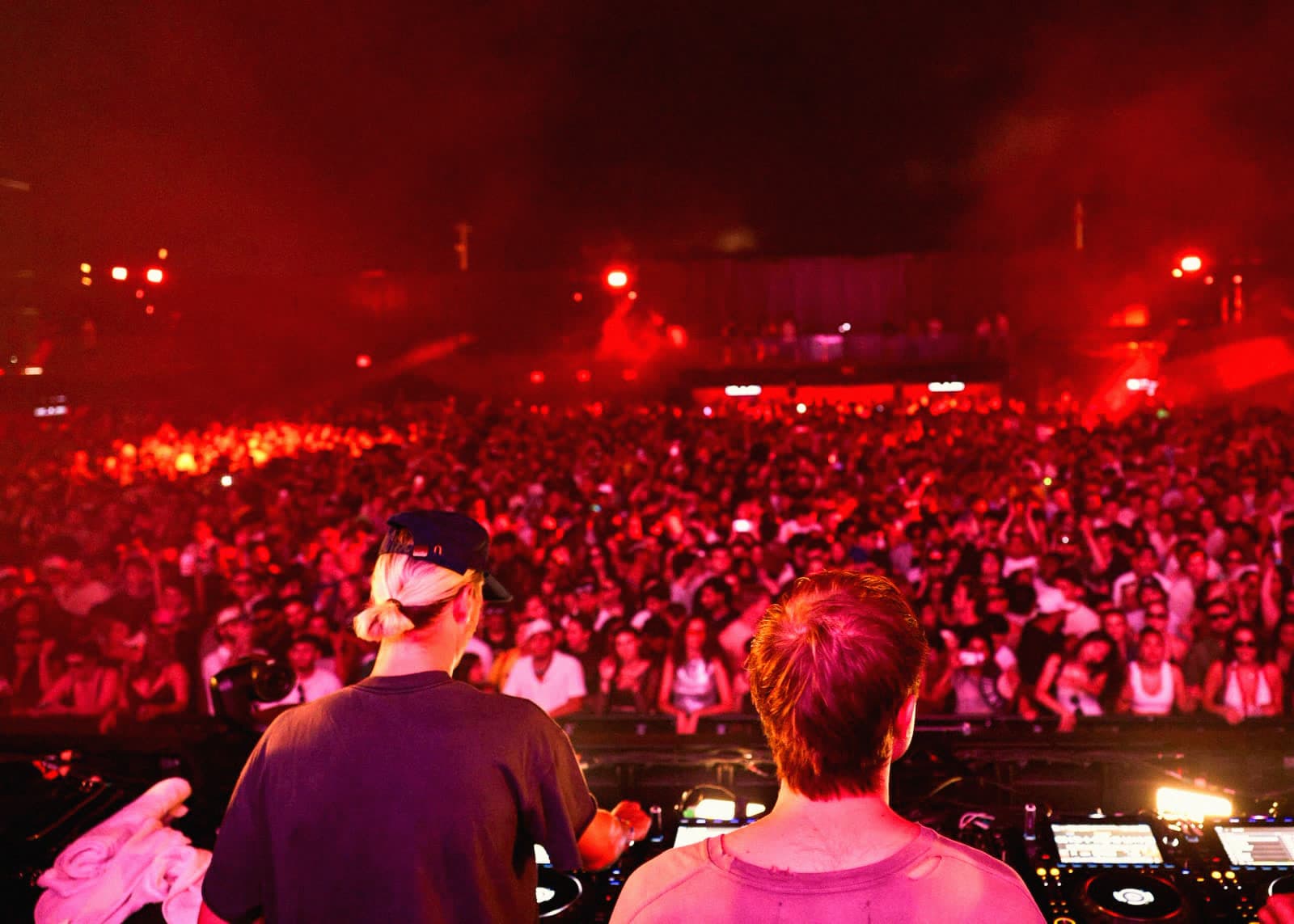
6. You photographed nightlife before smartphones, when people seemed less conscious of being recorded. How has the phone changed the dancefloor, people's behavior and nightlife's sense of freedom?
The biggest difference is self-awareness. In the seventies, people danced for each other, not for the internet. They weren't wondering how they'd look tomorrow morning or whether a video or photo would go viral. There was a freedom that came from knowing the moment was temporary. Today the possibility of being recorded changes behavior before anything even happens.
7. You often describe the dancefloor as democratic. Yet at Studio 54, that democracy existed behind one of nightlife's most exclusionary doors. Can a space be genuinely liberating inside while remaining exclusive outside?
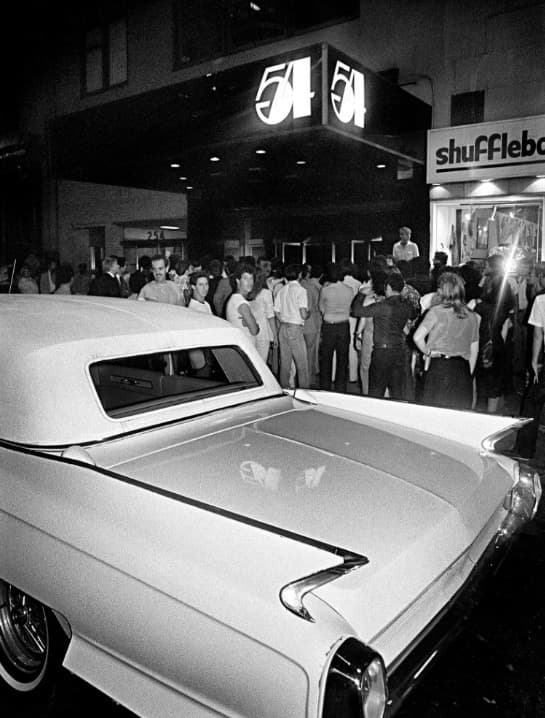
Studio 54 was a contradiction, but the door policy was more complicated than simply letting in rich, famous, or beautiful people. Steve and Marc were almost like casting the room for that particular night. They were looking for the right mix of people, different ages, different looks, different backgrounds, sexual preferences, and different kinds of energy.
Of course, it upset a lot of people who were turned away, and rightfully so. But somehow that mix worked once you got inside. People who might never have crossed paths anywhere else were suddenly dancing together, talking together, and becoming part of the same experience. The door was exclusionary, but the room it created could feel surprisingly open.
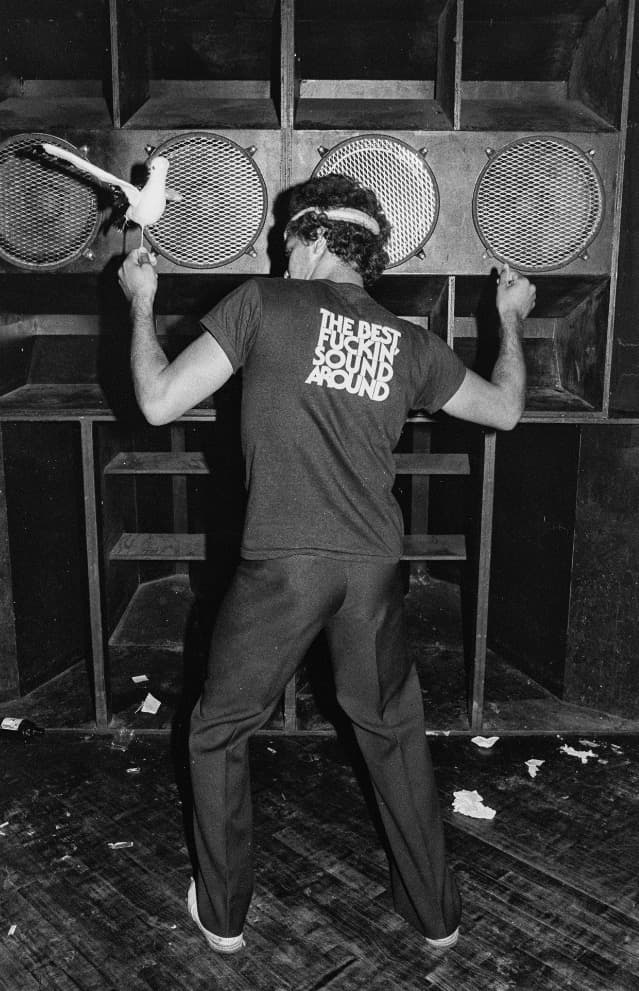
8. Was there something about the physical design of Paradise Garage, including the ramp, the darkness, the DJ booth, the sound system and the absence of casual spectators, that made collective surrender more likely?
Paradise Garage generally didn't allow photography, but I was fortunate to get permission to photograph there over several nights. That gave me a rare chance to experience the room through the camera and try to capture what made it so different.
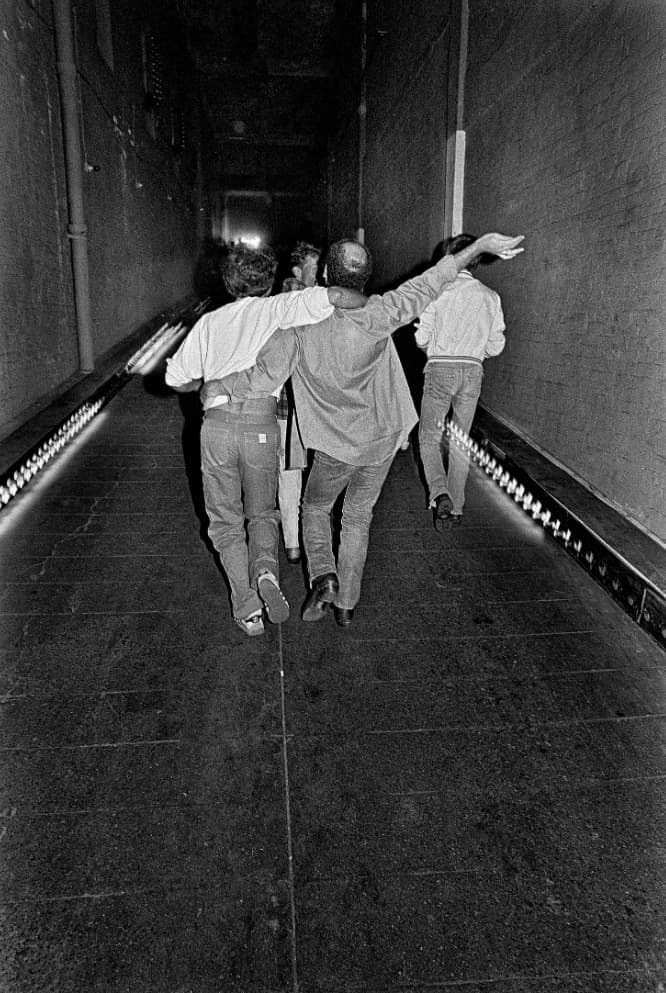
Everything about the room encouraged people to let go. Even entering the club felt like part of the experience. Once you were let in, you walked up that long ramp toward the dance floor, and the bass became louder and stronger with every step. By the time you reached the top, it felt almost spiritual, like you were leaving the outside world behind and entering another place.
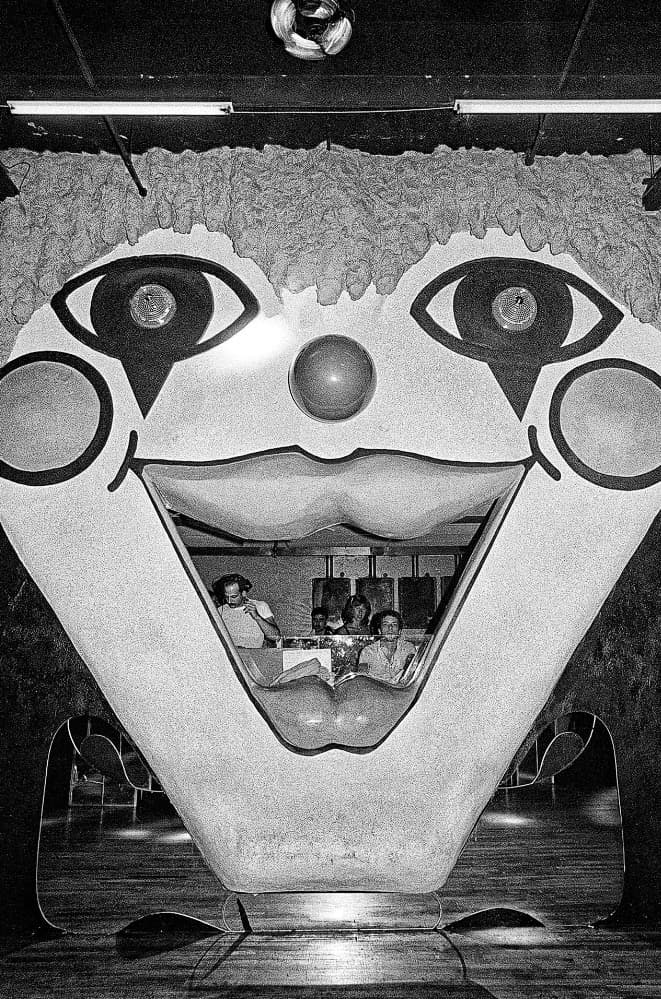
The darkness gave people permission to stop thinking about how they looked. The sound system was so powerful that you didn't just hear the music, you felt it through your whole body. Larry's booth wasn't the center of attention; the dance floor was. There weren't many people standing around watching or judging. Almost everyone was participating, and that changed the feeling of the whole room. I was always watching how people related to one another. That's where the pictures usually came from.
As a photographer, I realized very quickly that this wasn't just another nightclub. Something deeper was happening there, and I wanted to find a way to photograph that.
9. House music is often described as disco's musical descendant. Which gestures, rituals and social codes did House inherit from disco?
House music carried a lot of disco with it, not just the sound. It carried the idea of the DJ taking people somewhere over the course of a night. It carried that feeling of the dance floor being a place where people could belong and lose themselves for a while.
It also carried the long builds, the release when a record finally came in, and the feeling that everyone in the room was sharing the same experience. That sense of community was really at the center of it.
10. Which commonly accepted story about New York nightlife is contradicted by what you actually witnessed?
People think the story is about celebrities. It really isn't. Celebrities were only a small part of what I photographed. What fascinated me was the community that formed around the music. You had people from every walk of life sharing the same dance floor. That's the story I wanted to tell, because that's what made those places so special.
11. The people you photographed could not have anticipated that an intimate night might be exhibited and circulated around the world nearly fifty years later. Does the historical importance of an image override the right to privacy?
It's something I've thought about a great deal over the years. I never photographed people to embarrass them or exploit them. I was trying to preserve the spirit of a remarkable moment in cultural history.
When I first began photographing New York nightlife, I often thought about Brassaï. In the 1930s, he wandered through the night streets of Paris with his camera, photographing the city's hidden world, cabarets, cafés, sex workers, lesbians, artists, and all the people who came alive after dark. He showed me that nightlife wasn't just entertainment; it was a rich and revealing world worthy of serious photography. Diane Arbus reinforced that idea, reminding me that the camera could be a tool for curiosity and understanding rather than judgment.
I think intent matters. My hope is that people see themselves in these photographs with dignity, recognize that they helped create a culture of freedom and connection, and perhaps learn something about ourselves from these images today.
12. What should a nightlife photographer deliberately leave undocumented?
If someone is vulnerable in a way that could harm, expose, or embarrass them, I think you put the camera down. Just because you can take a photograph doesn't mean you should.
Nightlife can bring out moments of freedom and abandon, but it can also leave people unguarded. I never wanted to use that vulnerability against them. I wasn't interested in catching someone at their worst, or making a picture simply because something provocative or outrageous was happening.
For me, the photograph had to have a reason to exist beyond shock or celebrity. It needed to be visually strong, but also reveal something about the people, how they related to one another, and what it felt like to be in that room. I wanted to go beyond the obvious picture and find something more human.
13. What advice would you give to young nightlife photographers?
I would tell a young photographer to find a subject that really holds their interest and stay with it. Don't worry so much about whether it seems fashionable or important. If it keeps pulling you back, there's probably something there.
Spend time with the people and the place. Look before you shoot. Let things develop. The more curious you are, the more people begin to trust you, and the more the photographs start to reveal. For me, the work became stronger because I kept returning and kept trying to understand what I was seeing.
14. Finally, what does your life look like today, both professionally and personally? What projects are you currently working on, and what continues to inspire you?
Today I'm still discovering photographs I made nearly fifty years ago. I'm constantly going back through the archive, identifying people and places, researching images, and finding photographs that have never been printed before.
I'm working with museums and galleries on exhibitions around the world, handling licensing requests, and continuing to expand the reach of the archive. It's incredibly rewarding to see these photographs finding new audiences and becoming part of the history of dance music and New York culture.
I also sell limited-edition fine art prints to collectors around the world through galleries and through my own website, billbernsteinfineart.com, where my book Last Dance is also available.
At the same time, I'm still making portraits and taking on selected projects. It's gratifying to see this work finding a new audience. When I made these photographs, I never imagined they'd still be speaking to people fifty years later.
The Last Dance Continues
Bernstein may have photographed a world built around the fleeting nature of the night, but the work itself has proved anything but temporary.
His book Last Dance brings together photographs from New York nightlife in the late 1970s, spanning Studio 54, Paradise Garage, Xenon, GG's Barnum Room and other clubs of the period. Rather than treating the era simply as a parade of famous faces and excess, the collection focuses on what Bernstein was looking for from the beginning: freedom, community, identity and the collective experience of the dancefloor.
That archive continues to enter new cultural spaces.
In October 2026, several of Bernstein's photographs will be included in an exhibition at the New-York Historical Society exploring New York City during the 1970s and the role dance played in the city's cultural landscape. His images of Paradise Garage and other nightlife spaces will contribute to a broader story of dancefloors as places of community, identity, freedom and social change.
His photography will also feature in Disco, a touring exhibition opening at Wereldmuseum Amsterdam in October 2026, before travelling to Kunsthalle München and MAS Antwerp.
Bernstein's work from Xenon and Sybil's will additionally appear in the forthcoming V&A publication Punk to Pop.
Meanwhile, the archive itself remains unfinished territory. Bernstein continues to revisit negatives and photographs that have gone unseen for decades while developing new book, exhibition and editorial projects around New York nightlife, music, portraiture and the cultural history preserved within them.
There is something fitting about that.
The people Bernstein photographed were dancing inside moments they assumed would disappear by morning. Almost fifty years later, those same moments are helping new generations understand where much of modern house music culture came from.
And perhaps the most important thing the photographs preserve is not what people wore, who was famous, or even which records were playing.
It is the feeling Bernstein kept pointing his camera toward from the beginning: what happens when a room full of people stops watching itself and becomes one, on the dancefloor.
Contact Bill Bernstein:
Fine art prints and Last Dance: billbernsteinfineart.com
Portrait, music and commissioned photography: billbernstein.com
Instagram: @billbernstein
LinkedIn: billbernsteinphotography
Facebook: facebook.com/bill.bernstein.96