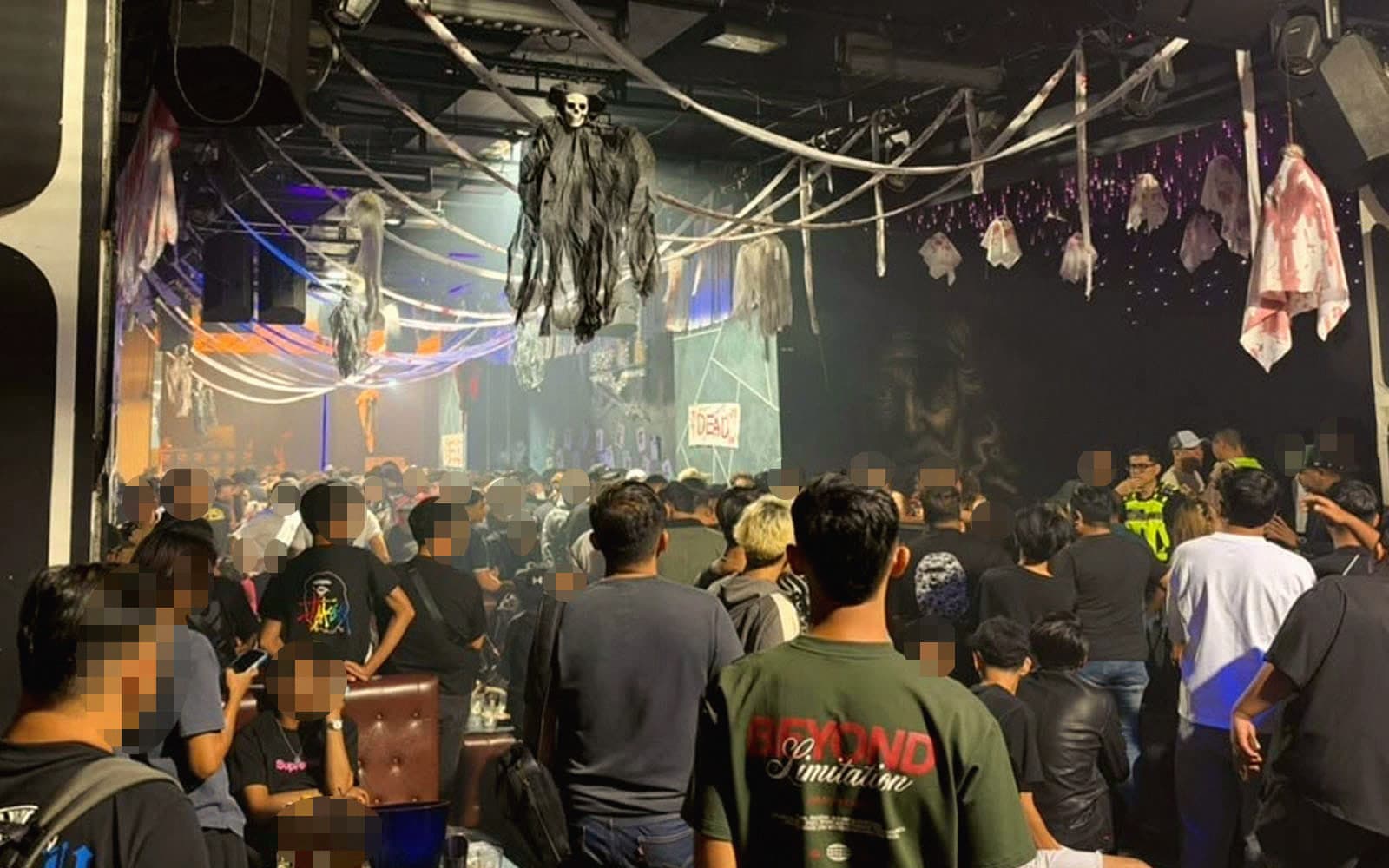
Walk into BIRCH in Digbeth on a Saturday from this week on, and you can hand a stranger a bag of something you bought off a dealer or a mate, and walk out with an honest answer about what's actually in it. No handcuffs, no caution, no name taken. That is the whole pitch of The Loop's new Birmingham service, and it is the first time anyone has offered it in the city.
How does this actually work?
You bring a small sample of a substance, in person, to either BIRCH (9 Allcock Street, Deritend) on the second Saturday of the month, or Lonsdale House in the city centre on the last Wednesday. A chemist runs it through lab analysis. You don't get the substance back, but you do get a one-to-one consultation on exactly what the results showed, cut agents and all, and what that means for your body if you decide to take it anyway. No ID. No police referral. The Loop's CEO, Katy Porter, put the principle plainly: "Drug checking gives people access to accurate information within a harm reduction consultation informed by The Loop's testing."
That is the whole model Bristol trialled from 2024 as the UK's first Home Office-licensed, walk-in drug-checking service, and that The Loop has since brought to three London boroughs this year. Birmingham makes it four UK cities with a permanent, year-round version of what used to only exist inside a festival fence for one weekend a summer.
Why is a council paying for this?
Birmingham City Council is fully funding the operation, which tells you where the political ground has actually moved. Drug checking used to be something promoters begged local authorities to tolerate at Boomtown or Secret Garden Party, framed as a one-off exception to keep a festival's license. Now a cash-strapped city council, the same one that declared effective bankruptcy in 2023, is choosing to spend its own money on testing pills, powders and crystals for anyone who walks in off the street, all year, with no event attached. That is a council treating drug checking as basic public health infrastructure, on the same shelf as needle exchanges, not as a favour to clubbers.
"Drug checking gives people access to accurate information within a harm reduction consultation informed by The Loop's testing."
Does this actually reduce harm, or just normalise use?
That's the argument that will run under every comment section on this story: some will call a council-funded drug-checking booth "enabling" people to take drugs they'd otherwise think twice about. The Loop's own framing, and the evidence from a decade of festival testing, cuts the other way: people who get an accurate result, including the ones who learn their pill is nothing like what they paid for, routinely say they'll dose lower, share with a mate, or bin it outright. None of that works if the person doing the checking also has the power to arrest you. Strip the police out of the room and you get honest samples and honest conversations instead of guesswork at 2am. Whether you buy that argument or not, Birmingham just became the test case for whether a major UK city, not just a festival weekend, will run on it.
Why Birmingham, and why now?
UK drug deaths have kept climbing for years, and the house and techno scene has never been immune to it, from festival ERs to the quieter deaths that never make a lineup announcement. The Loop built its reputation at festivals like Secret Garden Party and Boomtown, proving the model works when people are already dancing. Moving it into a city centre, on a Wednesday afternoon, funded by the council rather than an event promoter, is the real story here: this isn't a festival perk anymore, it's a permanent civic service, and Birmingham just signed up for it.