When the Underground Becomes the Mainstream
House music wasn't born to be mainstream. Like so many influential musical movements, it emerged from communities searching for freedom, identity, and somewhere to belong outside society's expectations.
But according to Bob Sinclar, something fundamental has changed.
Speaking in an interview with Ibiza 1 Radio, the French DJ and producer reflected on the transformation of dance music from a countercultural movement into a dominant force in popular entertainment.
"We used to be the counterculture. That's why we were cool. And we're not cool at all anymore," he said.
For Sinclar, the issue goes far beyond musical tastes. It's about what happens when a culture that once celebrated individuality becomes an industry increasingly driven by visibility, commercial success, and social media.
From Dancing to Being Seen
One of Sinclar's biggest frustrations is the transformation of the dancefloor itself.
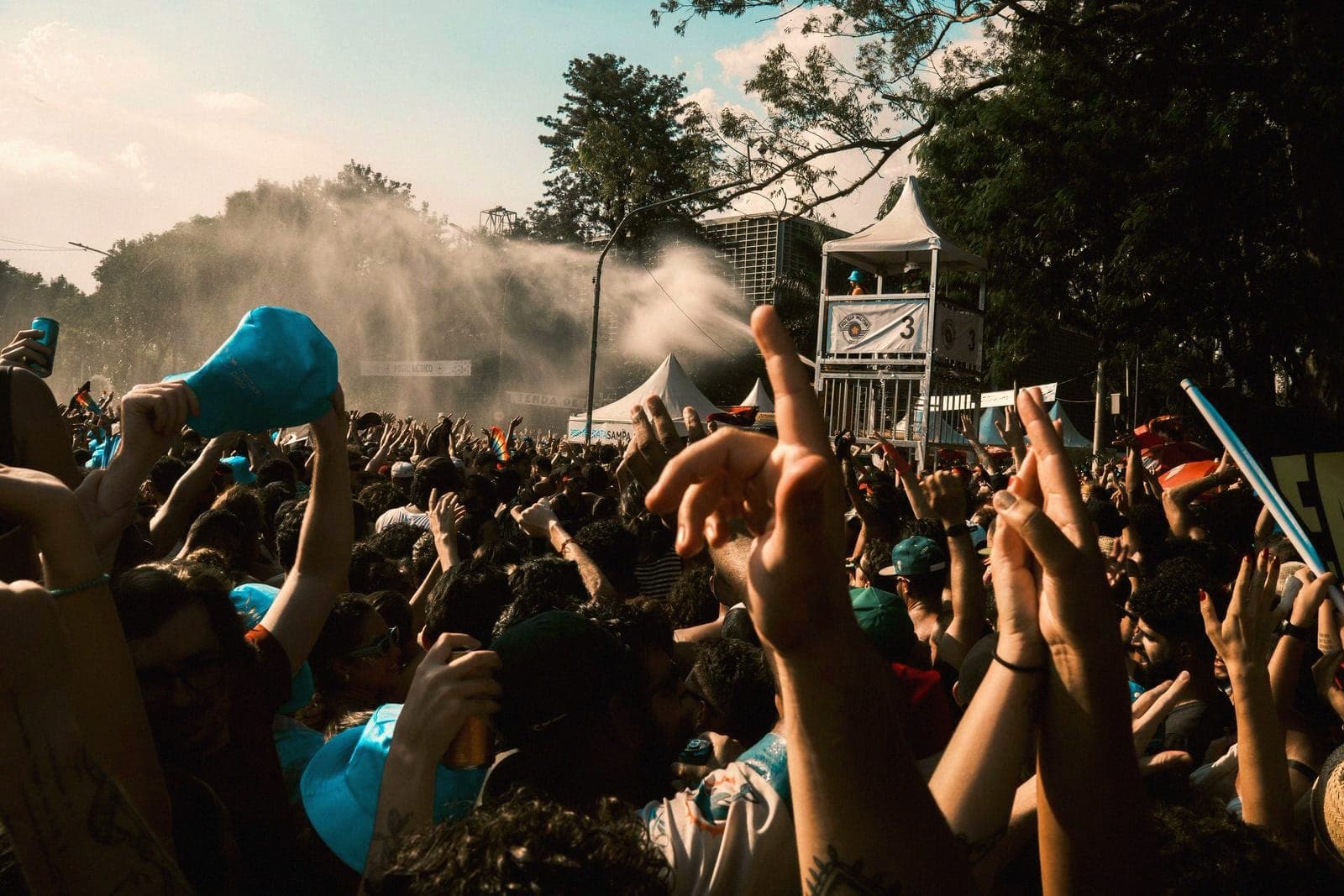
Where clubbers once came to lose themselves in the music, he believes many now come to document the experience and broadcast their presence online.
"People don't come to dance anymore. They come to show themselves off," he argues.
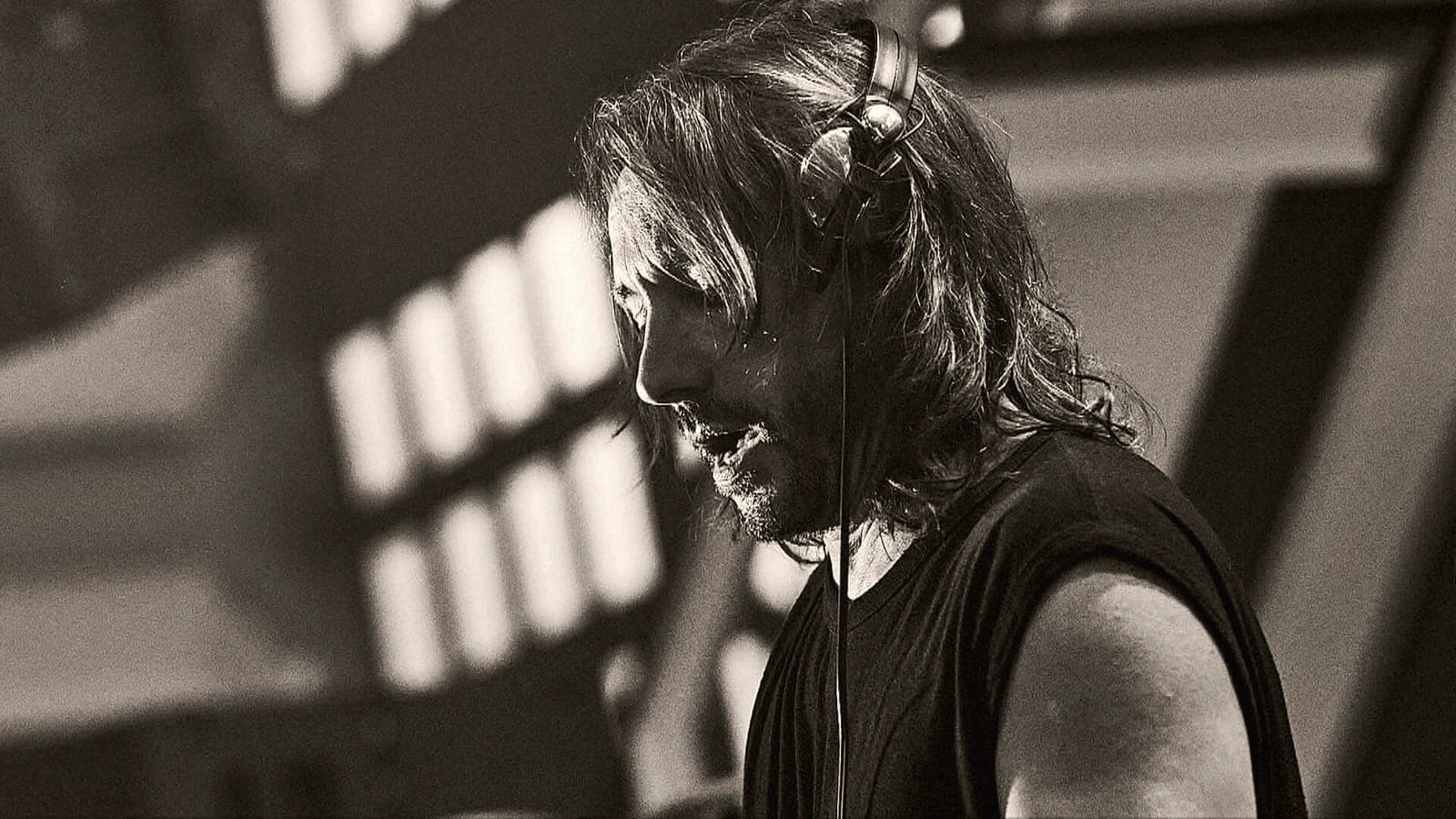
The DJ booth has become a stage to be filmed. The crowd becomes an audience watching the artist, rather than participating in the musical experience.
And the more attention shifts toward the camera, the further clubbing risks moving away from the collective energy that made it special.
Sinclar recognizes the contradiction. Social media gives artists visibility, helps promote events, builds audiences, and creates financial opportunities in an industry where streaming has transformed music revenues.
The very platforms he criticizes also help sustain modern DJ careers.
There is no easy solution, and he admits as much.
Where Did the Rebellion Go?
Sinclar draws parallels with earlier musical movements, including ska, punk, and hip-hop.
Each represented, in different ways, an alternative to the dominant culture of its time. Music wasn't simply entertainment. It was a way to distinguish yourself, challenge expectations, and find your community.
Fashion, language, music, and attitude became expressions of belonging precisely because they rejected what was considered normal.
But Sinclar wonders what happens when younger generations seem increasingly interested in fitting into digital trends rather than standing apart from them.
He describes a culture in which people dress alike, create similar videos, and build their identities around online avatars.
His concern isn't simply that music has changed. It's that the desire to be different may be giving way to the desire to be seen.
Has Social Media Made Everyone the Same?
Sinclar's criticism raises a bigger question about contemporary youth culture.
Social media encourages self-expression, but its algorithms also reward repetition. The same aesthetics, sounds, outfits, and trends are reproduced by millions of people, often turning individuality into another recognizable format.
Yet it's worth questioning whether young people have truly lost their rebellious spirit, or whether rebellion has simply become harder to recognize.
Underground scenes still exist. New sounds, communities, and subcultures continue to emerge, often far from the highly visible world of commercial festivals and celebrity DJs.
Perhaps the difference is that today's countercultures have to exist in a world where almost everything can instantly become content.
And once something becomes a trend, how long can it remain countercultural?
Can Dance Music Find Its Counterculture Again?
Sinclar's comments reflect a growing tension within electronic music: between the dancefloor as a place of freedom and the nightclub as a stage for social status.
His criticism is particularly striking because he is himself one of the artists who helped bring house music to a global mainstream audience.
But that doesn't necessarily make his argument contradictory. It exposes the complicated relationship between the success of a musical movement and the cultural identity that originally defined it.
The question is not whether dance music should have remained underground forever. Its global success has brought people together across generations and borders.
The question is whether something essential gets lost when the desire to experience music is replaced by the desire to prove you were there.
And perhaps the next counterculture won't need a new genre, a new fashion trend, or another viral DJ.
Perhaps it will begin with something surprisingly radical in today's world.
People putting down their phones, forgetting how they look, and simply dancing.
Source: Bob Sinclar interview, Ibiza 1 Radio. English quotations translated from the French interview excerpt.