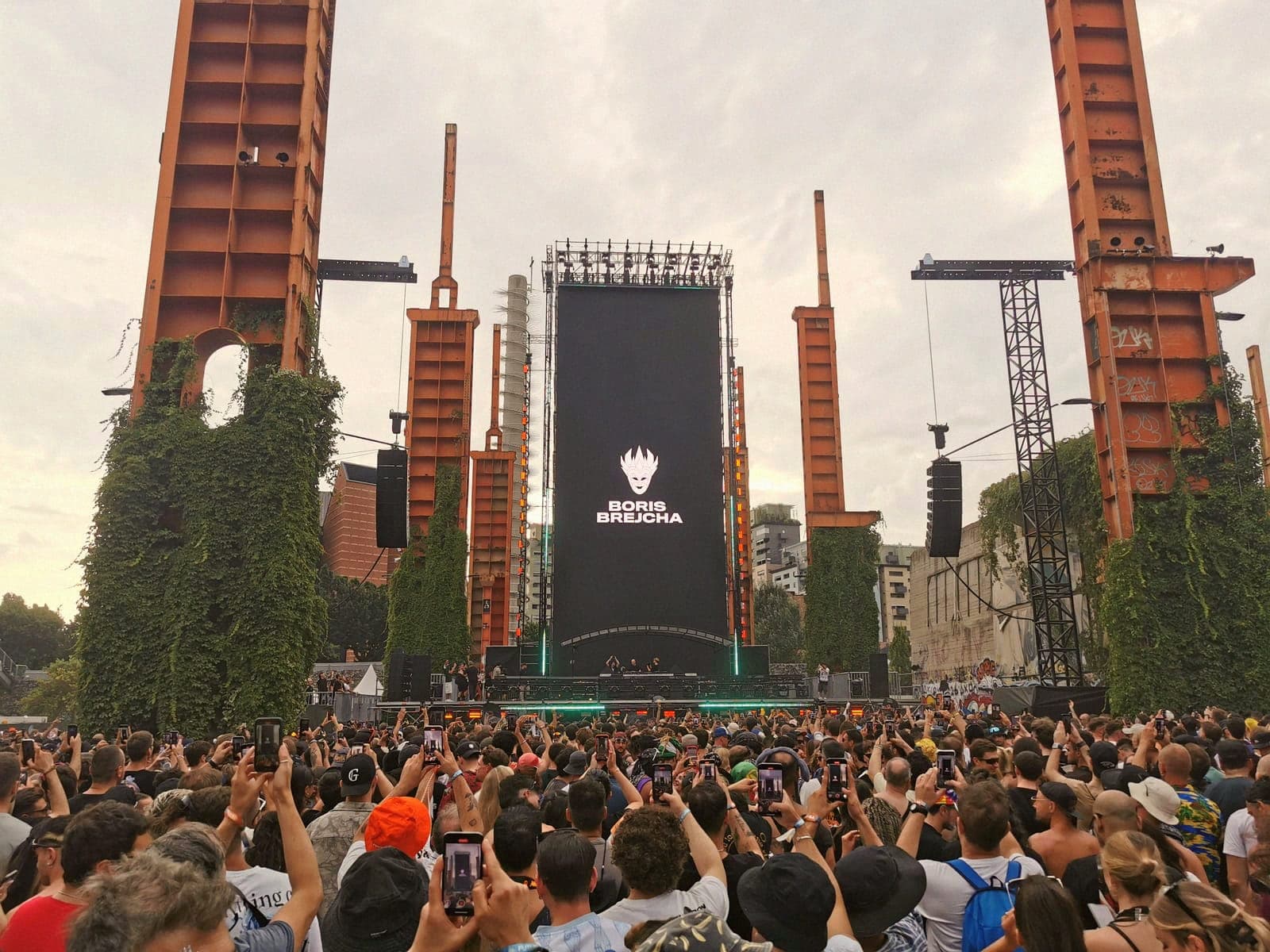
German producer Boris Brejcha used an Instagram video to tell fans something techno rarely hears from one of its biggest brands: a clean, deliberate end date, set years in advance, with no crisis attached.
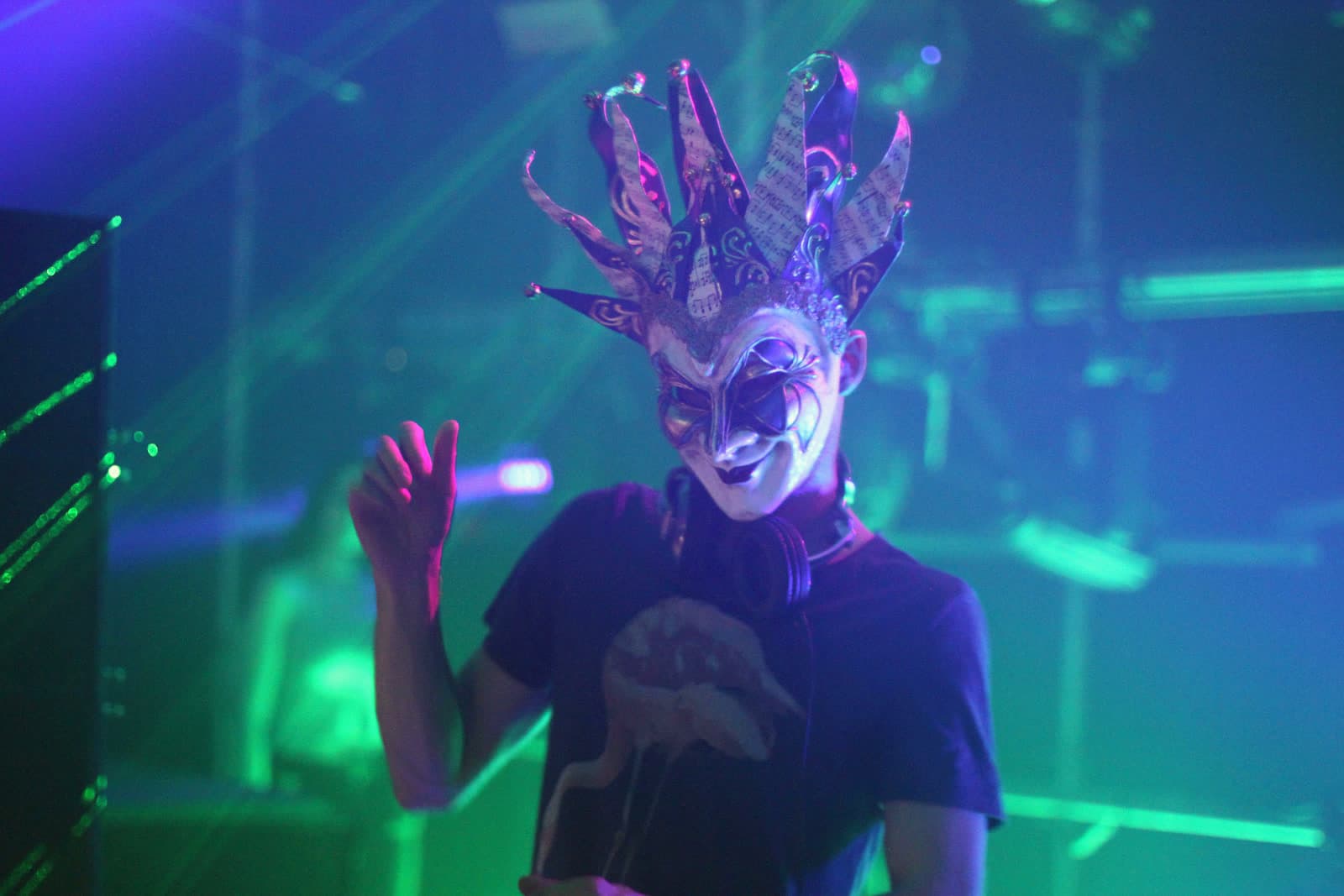
On October 24, 2026, Brejcha said 2028 will be his final year performing as The Joker, the carnival-mask persona he has built his entire career around. "My dad always used to say that you should stop when things are at their best, and that's why I want to let you know that in 2028, I'll be writing my final chapter," he said, adding he wants it to read "like in a good book, a story with a happy ending."
Why end it now, while everything is working?
Brejcha went out of his way to close off the obvious speculation before it could start. "I'm not sick, nor have I lost my joy in making music," he said, framing the decision as personal reflection rather than a response to illness, exhaustion or any external pressure. He also thanked the people who built the Joker's audience with him: "I also want to say a huge thank you to all my fans for being by my side throughout all these years."
Rather than scaling back, he's doing the opposite for the send-off: he intends to play as many shows as he can throughout 2028, treating the final year as a celebration rather than a wind-down. At the end of that run, he says, the chapter of Boris Brejcha and the Joker closes.
"My dad always used to say that you should stop when things are at their best."
What does retiring a mask actually mean for techno?
The Joker is not a side gimmick, it is the engine of Brejcha's whole identity. Inspired by carnival mask design and adopted more than two decades ago, the character became inseparable from the dense, melodic, endlessly cross-rhythmic style he popularized under the banner "high-tech minimal," a sound and a brand he scaled through his own label Fckng Serious, founded in 2015 with Ann Clue and Deniz Bul. His 2019 set for Cercle at the Grand Palais in Paris has pulled in more than 60 million YouTube views, and he's placed as high as 42nd on DJ Mag's Top 100 DJs.
Techno has flirted with anonymity for decades, but a durable, instantly recognizable mask worn at Coachella-scale shows is rarer than it looks: most dance-music masking (Claptone's golden beak, Daft Punk's helmets) either came from house and disco lineages or ended in silence rather than a stated date. Brejcha choosing to announce the exit two years out, on his own terms, while the music still sells out rooms, breaks that pattern. It also raises the real question hanging over the scene: if the mask goes, does the artist underneath it get a second act, or was the Joker always going to be the whole story?
Why it matters
Masked personas in dance music usually end by attrition, not by design, either quietly abandoned or ridden until the audience moves on. Brejcha choosing his own exit date, two years ahead, while business is at its peak, sets a different template for how an electronic artist can retire a character without retiring the person, and it puts a two-year clock on one of techno's most recognizable visual brands.
What we think
Calling your own number while you're still winning is rare in this industry, where most big touring acts get run until the bookings dry up on their own. Whatever Brejcha does after 2028, with or without the mask, the fact that he picked the moment himself is the real story here, not the mask.