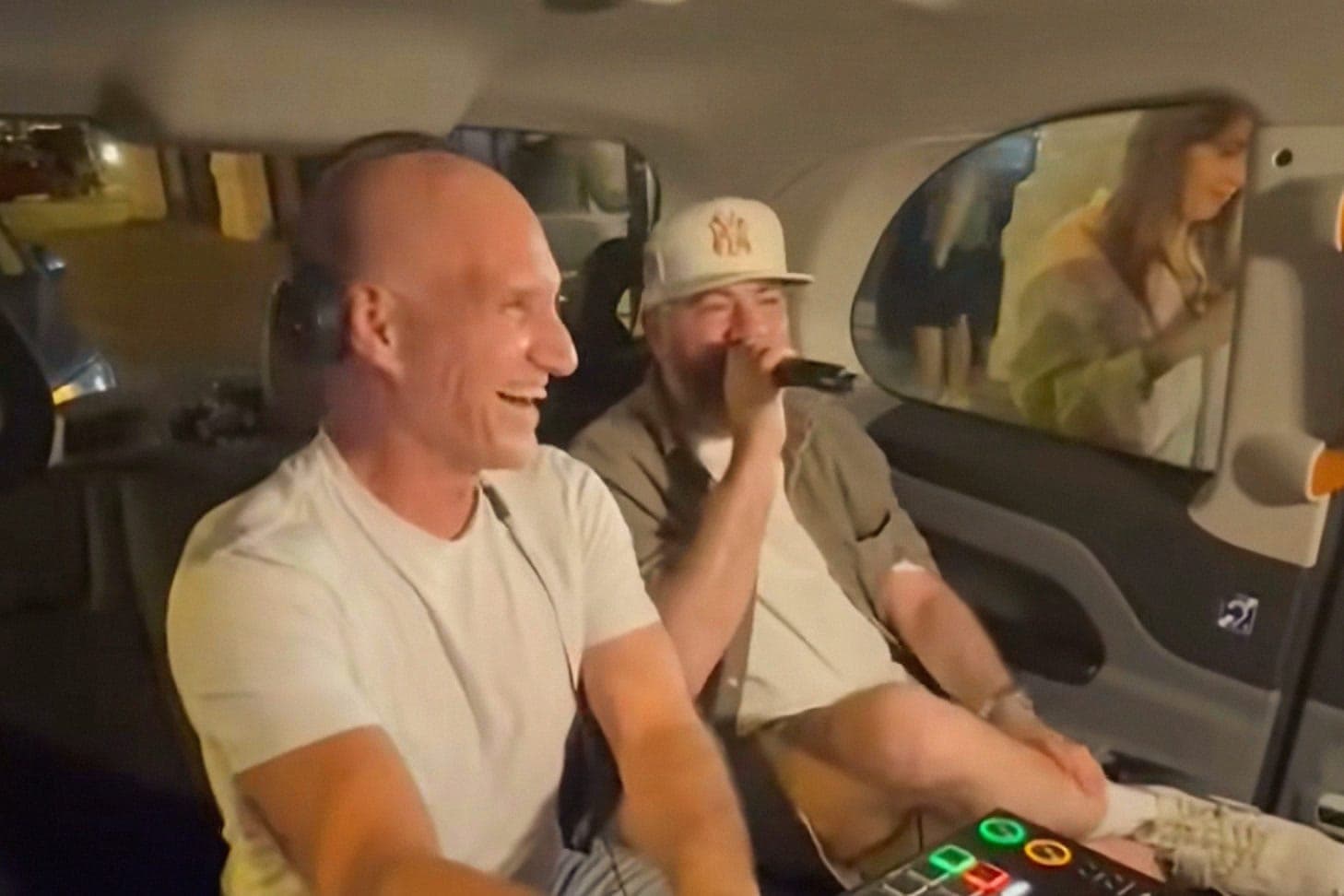
Boys In A Taxi turned a black cab into a sound system and a TikTok following into a licensing hearing. The duo, DJ Boyblue (real name Jason Richards) and MC Dean C, have spent recent months pulling up at London landmarks and letting a repurposed taxi blast UK garage and dancehall until a crowd forms. This time they did it properly, filing a Temporary Event Notice for a free pop-up outside Hackney Wick Overground station. The Met Police tried to get it cancelled anyway.
Why did the police want this taxi disco cancelled?
PC Chris Stockman told Hackney's licensing hearing on 3 November that officers were worried the crowd would run bigger than the duo had declared. "Attendance may exceed the figures now suggested by the applicant," he said, adding that in an "open public environment, there appears to be no practical mechanism to control numbers." The force's other concern was blunter: a street party with no professional security team, in a spot with no barriers and no fences, is hard to police if it spirals.
Richards didn't dispute the bones of it. He told the hearing the TEN's 400-person cap was a ceiling, not a forecast, and that people who actually stick around for the full two hours number closer to 100 or 120. On security, his answer was pure economics: if the parties made money, they'd hire one. They don't.
"If you're talking about people staying at the location for two hours, I would say about 100 people, maybe 120."
How did a street party end up in front of a council committee?
Boys In A Taxi didn't start as a licensed act. The duo's rise has been built on exactly the kind of unsanctioned pop-ups the Met was trying to stop: clips from Piccadilly Circus and Regent Street, several of them showing officers moving in to shut the music down, have racked up views on TikTok under the handle @boysinthetaxi. Under questioning at the hearing, Richards admitted the pair had been running the same Hackney Wick slot every fortnight without ever notifying the council. The Hackney Wick TEN was, by his own account, the first time they'd asked permission first.
That admission could easily have sunk the application. Instead it became part of the case for letting it go ahead.
Why did the council side with the ravers over the police?
Hackney's licensing sub-committee rejected the Met's counter notice on 6 November. Councillor Alastair Binnie-Lubbock credited Richards for coming through the front door this time rather than continuing to run the parties off the books, and the committee decided the proper channel deserved a chance rather than a blanket shutdown. The TEN stands, the cap stays at 400, and the taxi rolls up outside Hackney Wick station from 8pm to 10pm on 14 November as planned.
Why it matters
A grassroots free party getting a green light over a police objection is rare enough in London to be news on its own, and it sets a small but real precedent: a council can choose to back a self-organised street scene trying to go legitimate rather than treat every unlicensed pop-up as a problem to be shut down on sight.
What we think
This is what keeps UK street culture alive: two people with a sound system in a taxi and a council willing to work with them instead of just calling in the police. Richards' own numbers (100 to 120 people who actually stay, not the 400-person ceiling the Met fixated on) show exactly how much of the panic around pop-up raves is about optics, not actual crowd risk. Hackney called that correctly.