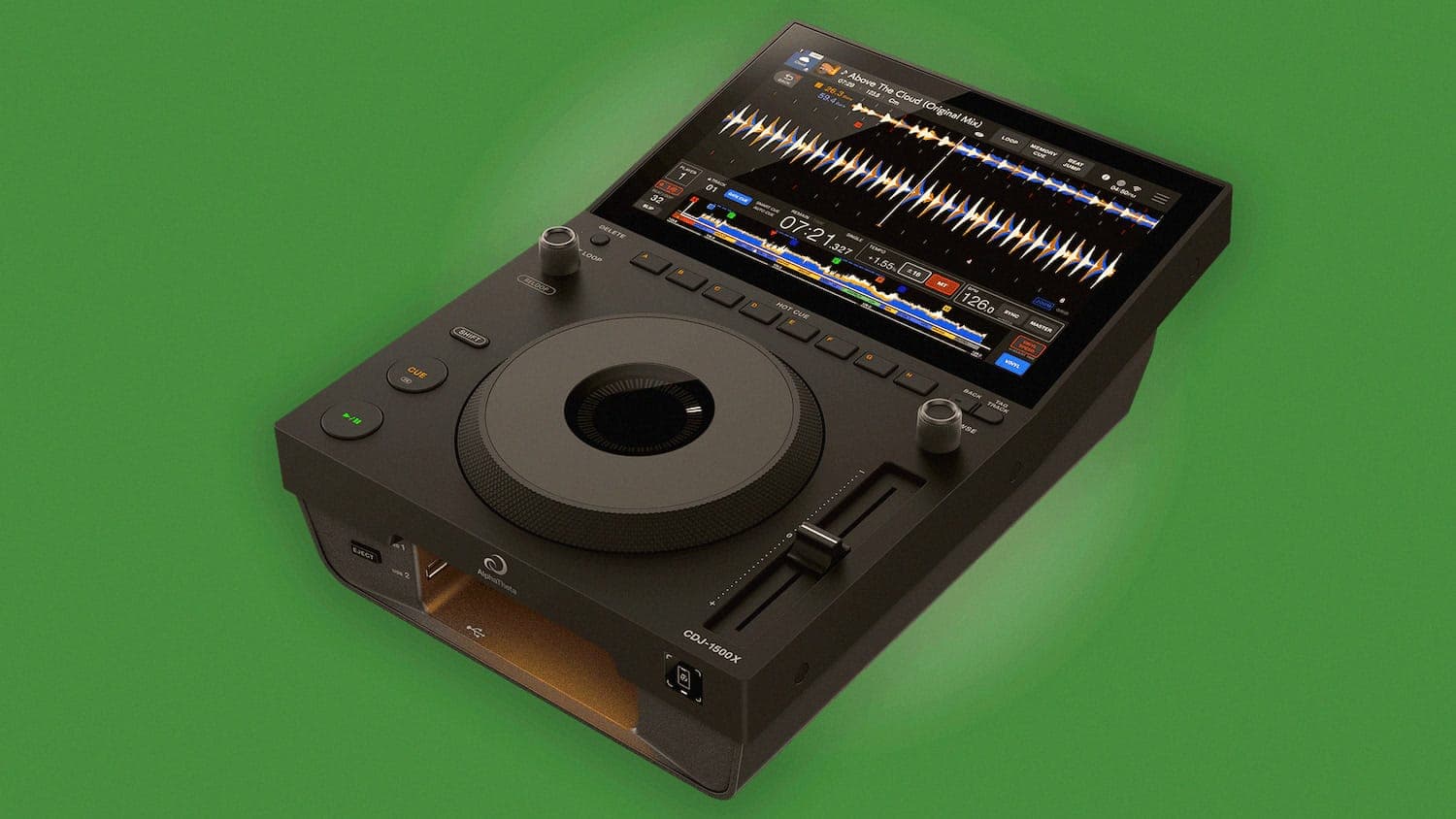
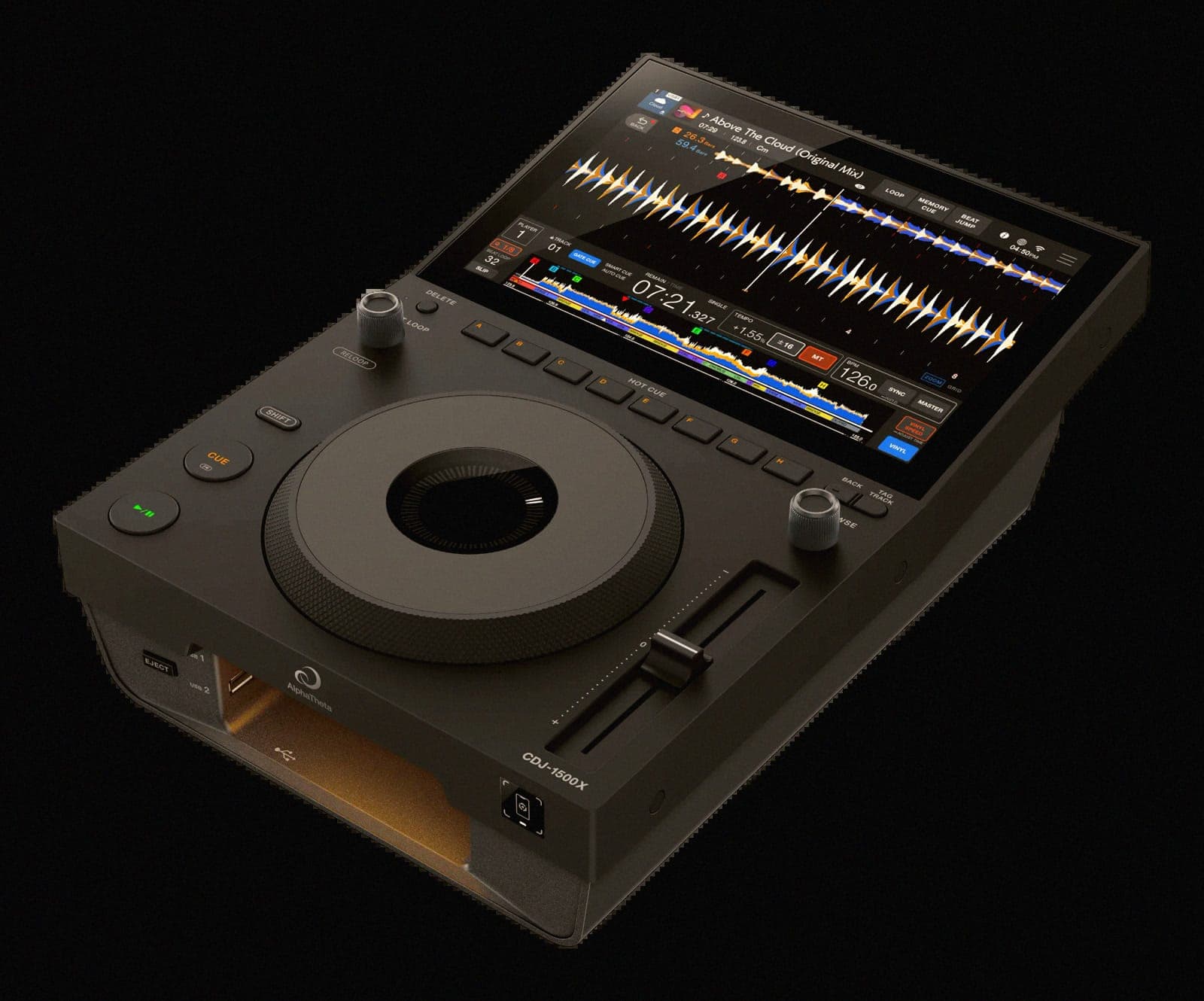
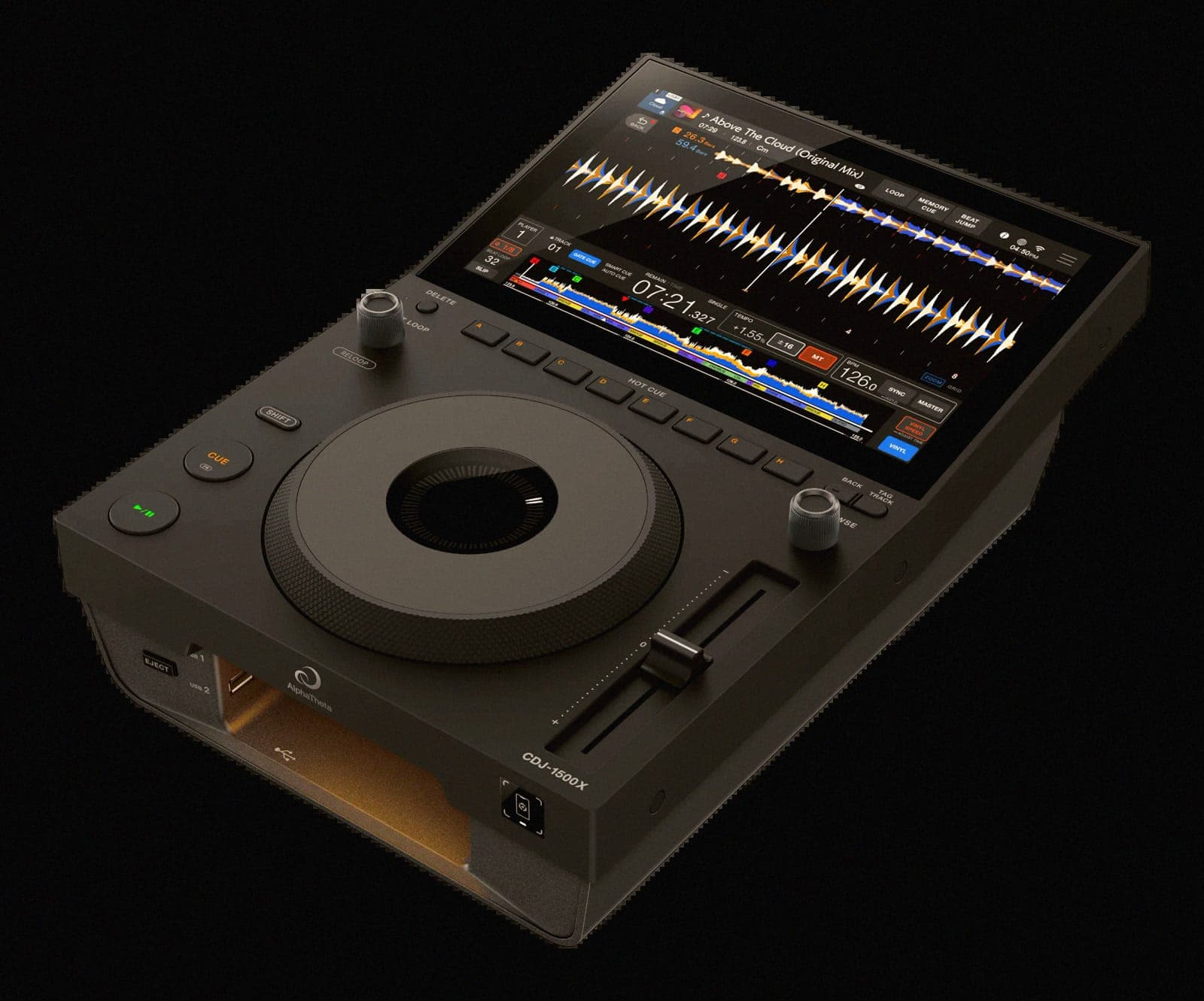
Pioneer's CDJ-3000 has been the deck behind the booth since 2020, a $2,299 club standard so ubiquitous that riders just say "CDJs" and everyone knows which ones. For years the only way to get more out of it was to wait for AlphaTheta's own firmware notes. That has changed.
A developer working under the handle emmaworley has published cdj3k-root on GitHub, a free, MIT-licensed tool that opens root SSH access on the CDJ-3000. The install path is almost comically low-tech for something this deep: drop a specially built update file on a FAT32 USB stick along with an authorized_keys file carrying your SSH public key, run it through the deck's own firmware-update menu like any normal update, then power cycle. No soldering, no dongle.
Why does a firmware update file even allow this?
The trick is in how AlphaTheta ships updates in the first place. The CDJ-3000 runs on an embedded Linux system, and its official updater patches that system in place rather than wiping and reflashing the whole machine from zero. That gap, an update mechanism built for incremental upgrades rather than airtight lockdown, is what cdj3k-root's SSH keys ride in on. The project is explicit that it "contains no Pioneer DJ/AlphaTheta code" and that root access is reversible: SSH in and run ~/.unroot.sh, then power cycle back to stock.
Once a deck is rooted, a separate community catalog at cdj3k-mods.com lists what people are actually doing with that access, grouped into five categories: hot cues, stems, x-pad, theming and browsing. Theming is where the light-mode swap lives, flipping the CDJ-3000's stock dark UI to a white one, alongside custom jog-wheel logos DJs have been sharing in Pioneer's own community forum. An emulator project, cdj3k-emu, even runs a virtual CDJ-3000 in QEMU with emulated jog LCD and Pro DJ Link networking, letting modders test changes without risking a real unit.
Did the hackers actually beat AlphaTheta to a feature?
On gated hot cues, yes, at least on paper. A gated hot cue plays audio only while a DJ holds the pad down, snapping back to the cue point the instant it's released, instead of firing and playing through. AlphaTheta didn't make that a configurable, official firmware option until the CDJ-3000X, released in September 2025, five years after the original deck and at a higher price. DJs running cdj3k-mods on their original CDJ-3000s had a version of gated cueing before that, on hardware they already owned.
Stems tell a messier story. Serato pushed official Stems control to CDJ-3000s and other hardware in beta back in October 2023, splitting a track into vocal, drum, bass and melody layers live from the deck's own pads. The catch, one Serato itself flagged as a likely dealbreaker, is that switching a device into stems control mode disables its hot cues on that same unit. The mod scene's separate hot-cue and stems categories suggest a workaround rather than that same forced trade-off, though how cleanly the two coexist depends on the specific mod and mapping a DJ builds.
"This tool is experimental software with the potential to brick your CDJ. Use at your own risk."
That's the project's own warning, not a rumor. AlphaTheta has not issued any public statement addressing the CDJ-3000 root and mod scene specifically. What is certain is the trade-off every modder is accepting: running unofficial, unsigned code on a several-thousand-dollar piece of club-standard hardware that clubs and festivals rely on to not fail mid-set, with a real chance of turning it into a very expensive paperweight, and, as with any hardware mod, no reason to expect AlphaTheta's warranty to cover the aftermath.
Why it matters
It's a reminder that the CDJ-3000 is, underneath the brand and the rider clause, a general-purpose embedded Linux computer that AlphaTheta doesn't fully control once it leaves the factory, and that a small reverse-engineering community can now ship features on it faster than the manufacturer does.
What we think
Gated cues and a light-mode UI look like cosmetic wins, but the real story is root SSH access on hardware this widely deployed. If this scene keeps outrunning AlphaTheta's own roadmap, expect either an official response tightening the update chain, or a quiet nod that borrows the community's best ideas into a future firmware release. Neither is a bad outcome for DJs, but only one of them is a safe way to get there tonight.