What is "Children of the Revolution" actually about?
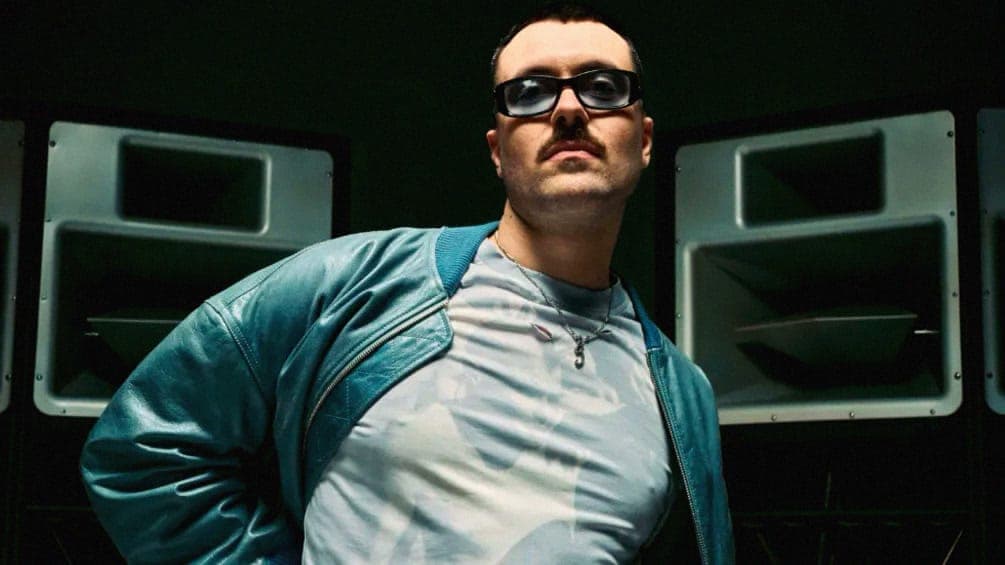
Heidi Lawden and FLABBERGAST's new track opens with a dare: come find your people, or don't come at all. Released September 4 on the Berlin label DESSERT Records, "Children of the Revolution" is built, unapologetically, as protest music for the dancefloor. FLABBERGAST wrote and sings the lyrics; Lawden co-produced with Hein Hoven, and shaped a second, "Power Bottom Mix" version that strips the track down into something darker and more industrial.
The politics aren't subtext. FLABBERGAST told the Los Angeles Blade that "'Revolution,' in the context of the song, is about freeing all people who are under bondage, specifically trans and queer people. We're not free, and this song is about reminding people of that." Lawden calls it plainly "a call-out to inspire people to rally, protest, object, and resist."
"We're not free, and this song is about reminding people of that.", FLABBERGAST
Where does the track come from?
Heidi Lawden and FLABBERGAST (Zane Pond) first met on LA's queer underground dancefloors. Lawden co-founded Take It Outside, one of the city's queer party collectives; Pond co-founded VICE Underground, the warehouse-party crew whose LA space he describes as "a place built around community, connection and self-expression rather than exclusivity" and which directly inspired the record.
The song itself was road-tested before it was ever recorded. On July 4, 2025, amid ICE raids across Los Angeles, the pair staged an art installation and protest rave on the Arroyo Seco Walkway near Dodger Stadium, where local artists covered the bridge in anti-fascist messaging while they debuted an early version of the track live.
Why put it out on a Berlin label?
DESSERT, the label behind the release, grew out of promoter Tom Peters' long-running Nightlife Series and has built its catalog around queer club culture, spanning house, disco edits and rowdier experimental material. For Lawden and FLABBERGAST, it places an explicitly American, ICE-era protest record inside a European queer-club lineage that has its own long history of treating the club as a political space, not just an escape from one.
Lawden has been doing this a long time. She hosts the monthly Magic Roundabout show on dublab and DJs internationally; for her, resistance isn't a new theme layered onto a career, it's the baseline. As she put it to the Blade, nightlife has "always been an act of resistance."