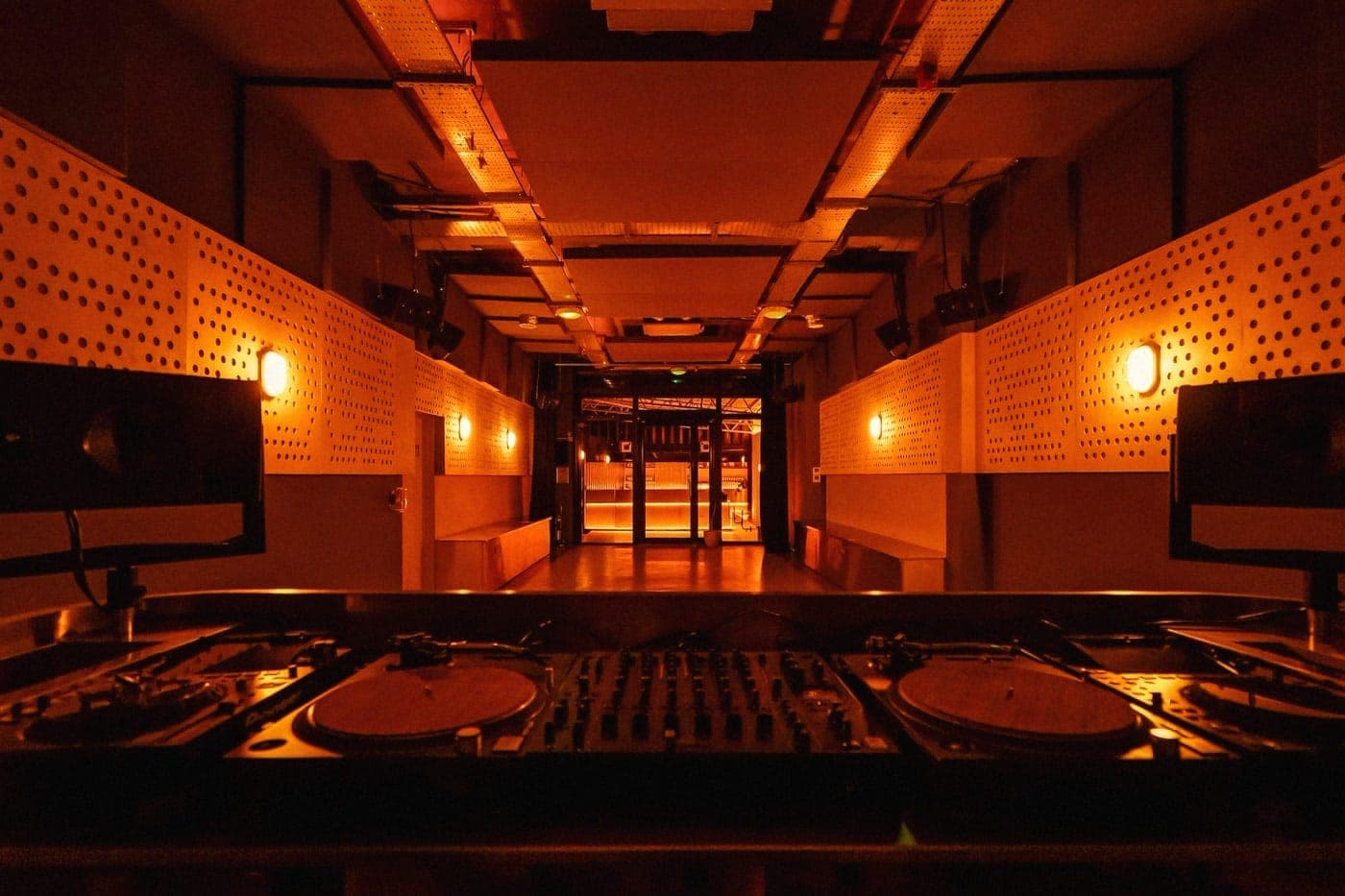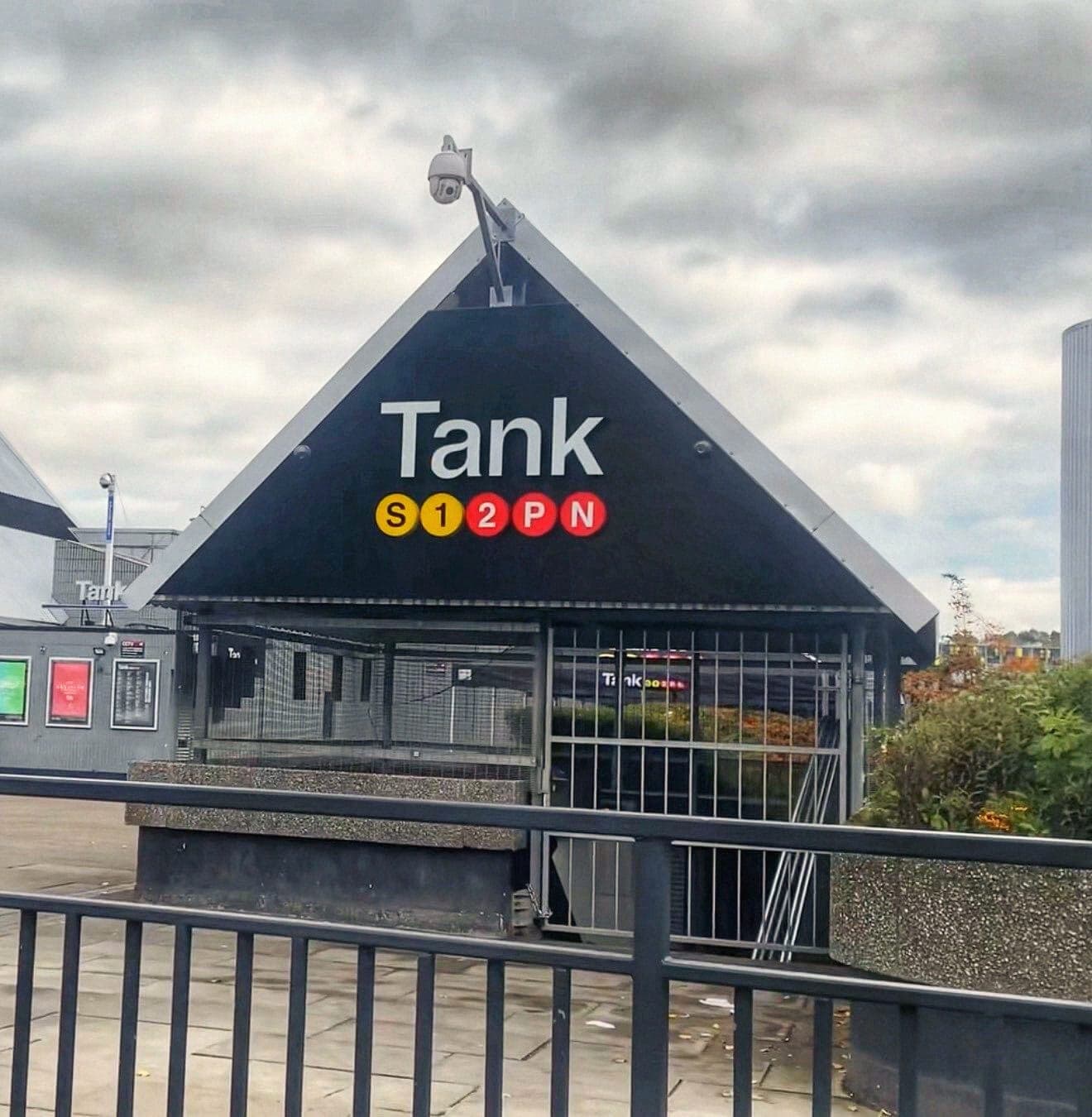
Sheffield just lost one of its longest-running underground rooms. Tank, the 400-capacity club tucked underground on Arundel Gate between the Odeon Luxe and Sheffield Hallam University, played its final party this weekend, ending a 12-year run that began in 2014.
The club broke the news on Instagram on August 5, framing it as the end of the road rather than a pause. "After 12 absolutely amazing years and some of the most unforgettable events, it's time to close our doors for good," the statement read. "It's been a journey we never imagined possible back in 2014 when we first opened."
Why now, after surviving this long?
Tank had been here before. The team says it nearly closed in 2022, then chose to fight for it: a full refurbishment, a reset, one more push. "We actually realised this a few years ago and nearly closed then," the statement continued. "But the love and support you showed us meant we had to give it one last shot. We completely refurbed the club and gave it everything we had."
It wasn't enough. The venue pointed squarely at running costs, not attendance or programming, as the reason it's shutting for real this time. "From the outside, you saw a busy, thriving Tank," the statement said. "But behind the scenes, the cost of running the venue continued to grow." By this summer, the club says, the math simply stopped working: "With monthly running costs spiralling, it has become impossible to carry on."
That's the same story UK grassroots venues have been telling for years now: energy bills, rent, licensing and insurance climbing faster than door and bar income can cover, especially for a room that kept its ticket and drink prices deliberately low. Tank built its identity on that trade-off, a subway-modelled space with a Funktion-One rig and no-frills pricing, run in collaboration with Sheffield bassline mainstay Jamie Duggan, who has been tied to the venue since it opened. "The biggest acts, the best sound, cutting-edge lighting, unbeatable atmosphere and vibe, all whilst maintaining affordable drink and ticket prices," the club said of its own standard. "In today's climate those standards simply cannot be maintained."
What did Tank actually stand for?
Over 12 years, Tank became a proving ground for Sheffield's house, tech, bassline and bass scenes, a city-centre room that hosted Patrick Topping, Solardo, Hybrid Minds, Chase & Status, Shy FX, Gorgon City and Eli Brown, among others, without pricing out its regulars. That's exactly the kind of mid-size, independently-run venue the UK's grassroots sector keeps losing: not famous enough to be bailed out by a headline campaign, not big enough to absorb rising overheads the way a larger operator can.
"From the outside, you saw a busy, thriving Tank. But behind the scenes, the cost of running the venue continued to grow."
There's no reopening plan on the table and no reported buyer stepping in. The closure was framed by the team as final and considered, the outcome of years of trying to make the numbers work, not a sudden collapse.
Why it matters
Tank's closure is one more entry in a pattern the UK scene has been tracking for years: independent, mid-capacity clubs going under to costs alone, with no scandal and no single villain to point at, which is precisely what makes the trend harder to fight. Each loss like this shrinks the pipeline of rooms where a city's next generation of DJs and promoters actually cut their teeth.
What we think
A club doesn't refurbish itself, hold on for four more years past its first near-death, and then still fold if there's an easy fix left on the table. Tank's own statement reads like an operator that genuinely tried. The real story here isn't Tank specifically, it's that "we refurbished and gave it everything" is becoming the standard exit line for UK grassroots venues, and that should worry anyone who cares where new scenes come from.