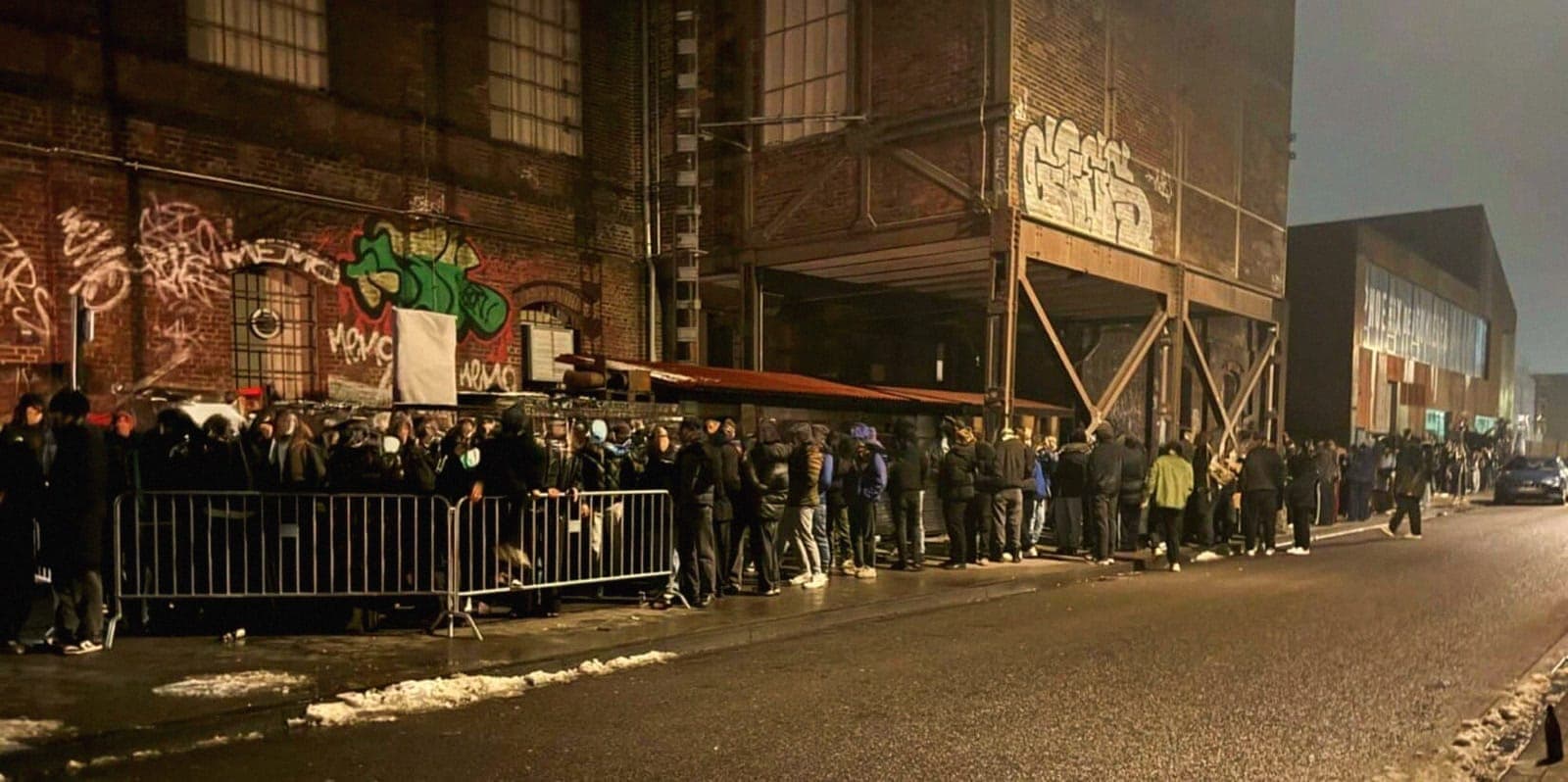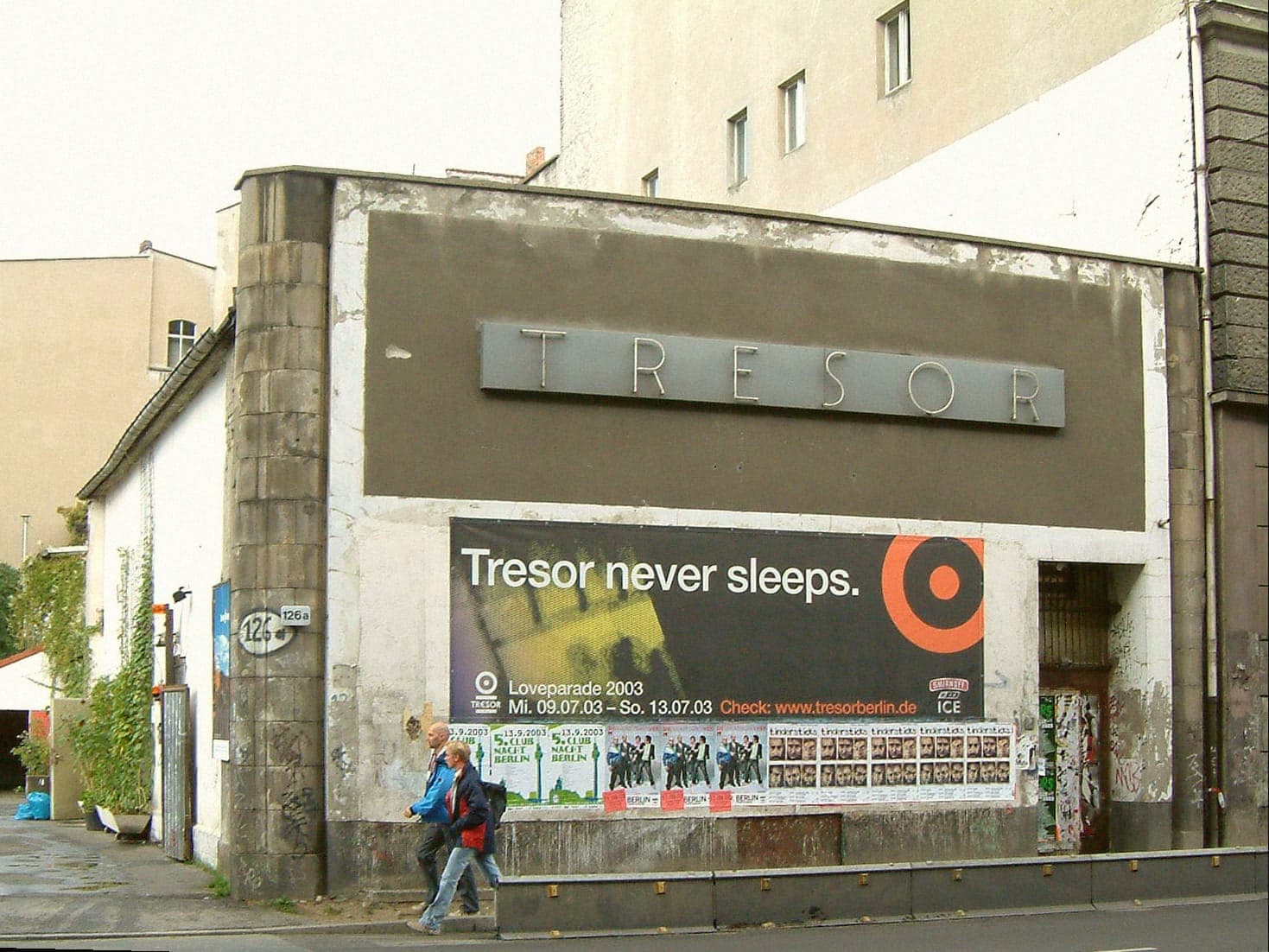
Dimitri Hegemann built Tresor into one of the four or five names techno fans everywhere can place on a map without looking. He could not make a second Tresor work ninety minutes down the autobahn.
Tresor.West, the Dortmund club carrying the Berlin institution's name and its two-floor Detroit-techno-and-beyond format, will close for good at the end of 2026. The team confirmed the closure to Resident Advisor and then in an Instagram statement, saying it had been "an experiment" that "left something lasting: a remarkable space and a community that knows what it stands for." "Unfortunately, continuing in the current form is no longer feasible," the statement went on.
Why would Tresor's own name fail outside Berlin?
Hegemann had been warning about exactly this for a while. In a 2025 interview with Mixmag, he put the gap in blunt numbers: "If you have acts that fill up Tresor in Berlin, the same act in Dortmund nobody knows, maybe only 200 people come." That is the whole crisis in one sentence. Tresor in Berlin carries forty years of mythology, four decades of pilgrimage bookings and a tourist economy built around it. Tresor.West opened in 2020 trying to graft that same brand, the same Globus-style 360-degree bar, the same two-room Detroit-techno concept, onto a city with none of that gravitational pull, and it never closed the gap. A pandemic shutdown hit within months of opening, and a May 2022 relaunch still failed to hit its revenue targets, according to Resident Advisor.
Management is now blaming the same three forces hitting independent clubs everywhere: declining visitor numbers, rising operating costs and a nightlife audience increasingly pulled toward summer festivals and single-brand touring nights rather than a weekly local room. None of that is unique to Dortmund. What is unique is that even a club wearing techno's most recognizable name couldn't out-market the trend.
"This was always an experiment and it has left something lasting: a remarkable space and a community that knows what it stands for."
What happens to the space, and what does it say about techno outside the capitals?
The Phönixplatz building itself is not disappearing. Management is inviting event collectives and hospitality operators to pitch concepts for the venue, with applications due November 15, and closing parties are scheduled through October, November and December before any handover. Tresor in Berlin, which has no ownership link to the closure beyond the shared name and Hegemann's leadership, keeps running as normal.
That split outcome is the real story for anyone watching techno's reach beyond Berlin, Detroit and a handful of other strongholds. A brand can travel on reputation, but a weekly door still needs a local crowd that shows up for the room, not just the name on the flyer. Six years wasn't enough for Tresor.West to build that in Dortmund.
Why it matters
If Tresor, with its history and its founder's own connections, can't sustain a satellite club in a mid-sized German city, smaller promoters trying the same regional-expansion playbook elsewhere should take the warning seriously: the brand gets people through the door once, not every week.
What we think
Hegemann deserves credit for saying the quiet part out loud years before the closure, rather than dressing it up as a surprise. That kind of honesty is rare from a club operator, and it is exactly why Tresor's name still means something even as Tresor.West folds.