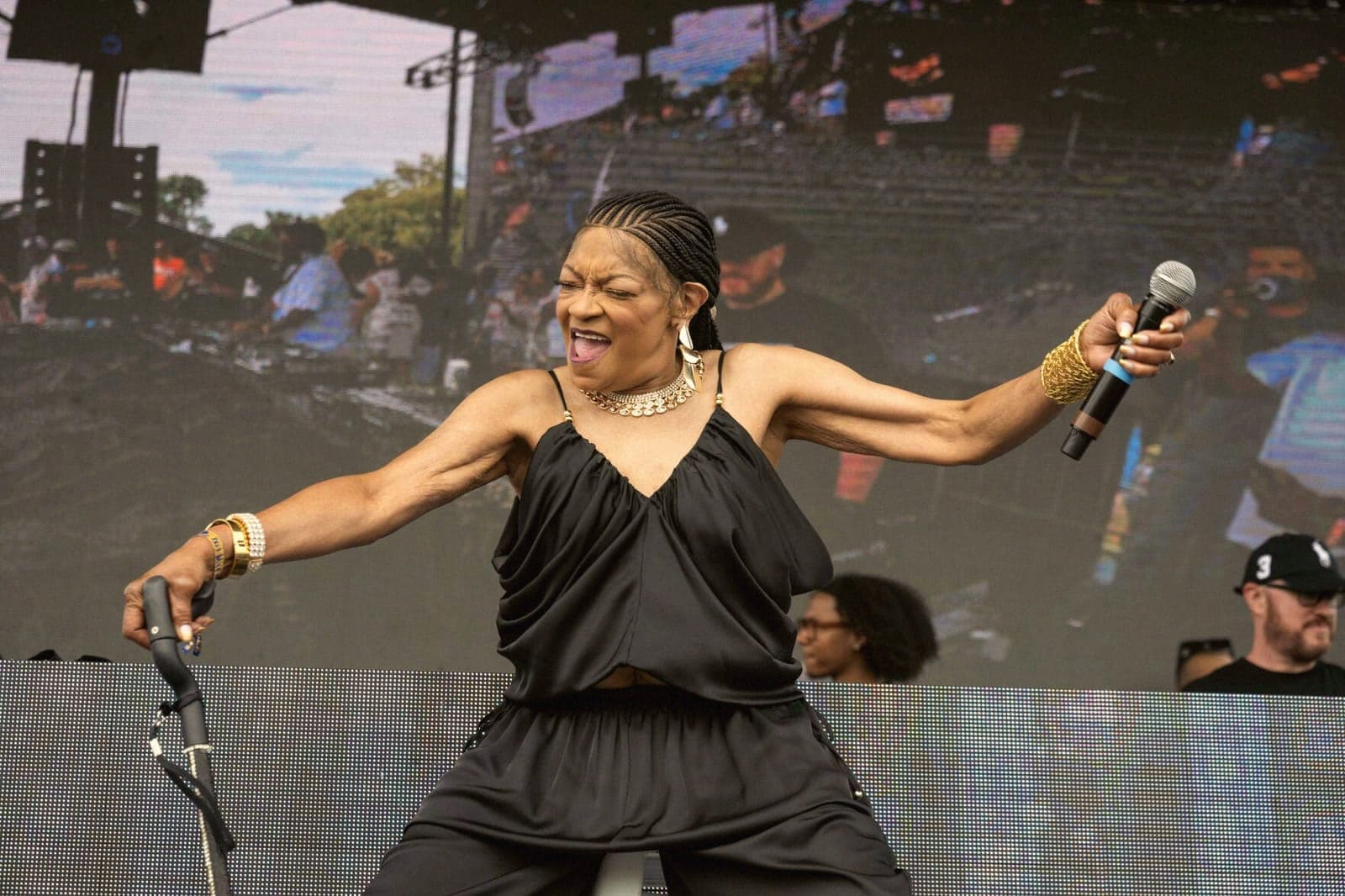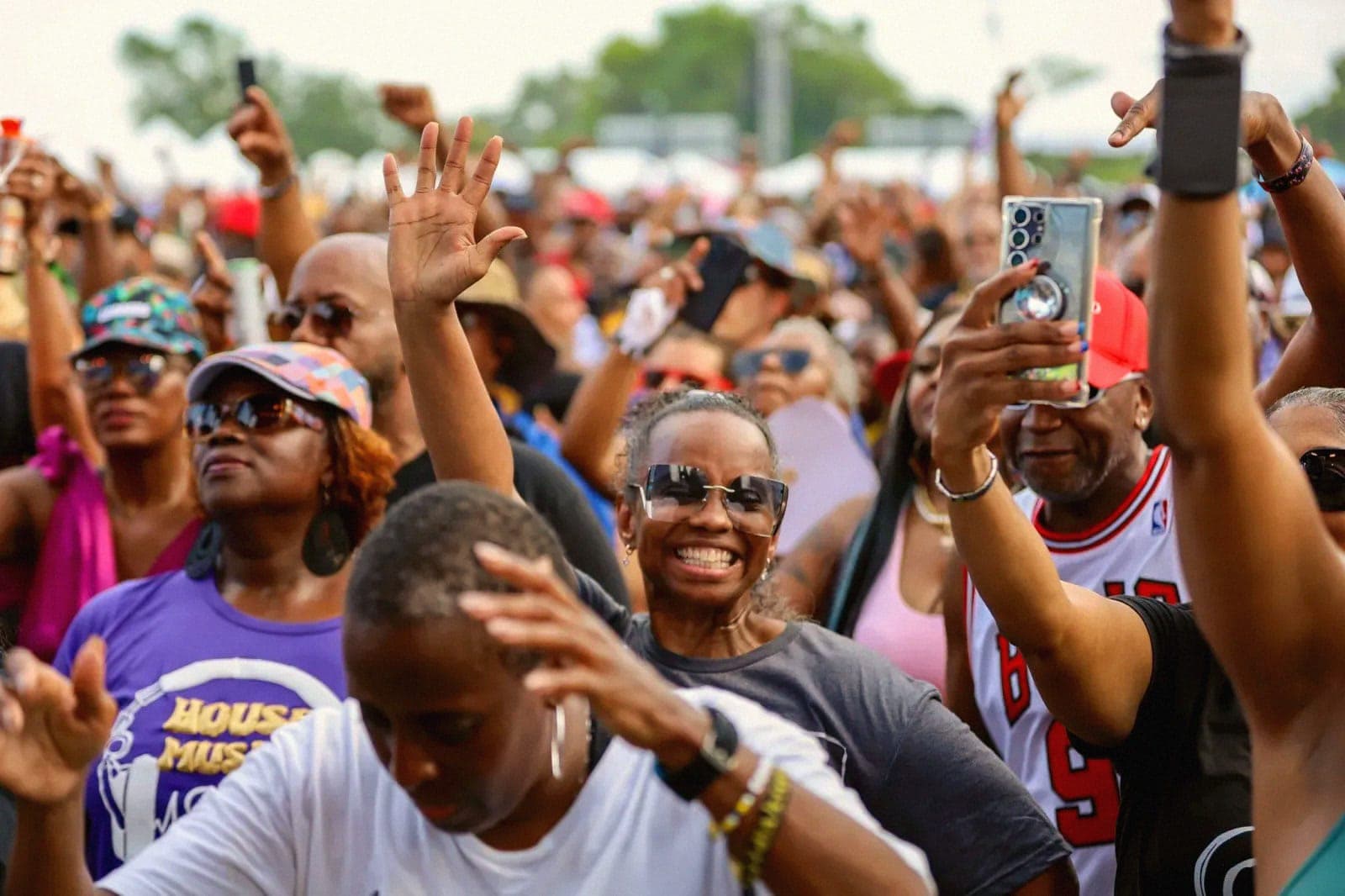
How does a backyard cookout become the world's longest-running house festival?
In 1990, a handful of friends threw a cookout behind the Museum of Science & Industry on Chicago's South Side. Thirty-six years later, that same gathering is the Chosen Few Picnic & Music Festival, and by the festival's own account and Chicago's press, it is the world's longest-running event built specifically around house music. On Saturday, July 11, 2026, it returns to Jackson Park for its 36th consecutive year, without the corporate rebrand that usually catches up to a festival this age.
What never changed is who runs it. Wayne Williams and his stepbrother Jesse Saunders built the picnic out of that first backyard gathering, and they are still behind the decks today, alongside Terry Hunter, Alan King and the rest of the original Chosen Few crew. The picnic now pulls more than 40,000 people into Jackson Park every summer, with former US President Barack Obama among the names who have shown up and backed it over the years. Chicago calls it the "Woodstock of House Music," less for the scale than for the vibe: it plays out like a family reunion that happens to have a serious sound system.
Why does Jesse Saunders' name on the bill matter more than any headliner's?
Because Saunders is not a guest booked for the weekend, he is one of the people who invented the genre the picnic celebrates. His 1984 single "On and On," built on a Roland TR-808 and cut with Vince Lawrence, is widely credited as one of the first house records ever pressed to vinyl, the record that helped turn a Chicago DJ trick into a genre with its own name. When Saunders and Williams play the picnic, it is not a legacy slot. It is the source material still running the show.
This year's bill leans on that same lineage. Alongside the founders, 2026 adds Barbara Tucker, Curtis McClain (the voice behind "Move Your Body") and DJ Jazzy Jeff and DJ Slugo, deep house, disco-soul vocals and classic Chicago cuts all sharing the same stage the founders built. Nobody needed an EDM headliner to sell it out.
Thirty-six years running, and Chicago's own house festival still doesn't need a fund manager's permission to throw a party.
Why does a backyard picnic still outdraw the festivals private equity now owns?
Because it never sold the thing that made it work. Look at where the wider festival business sits in 2026: brands owned by Superstruct and its KKR-backed rollup, dynamic ticket pricing that moves the number while a fan is still on the checkout page, and a string of festivals folding under costs that outran what people would pay. Against that backdrop, a 36-year-old picnic that is still booked, run and DJ'd by the people who started it, with a ticket that has never needed a surge algorithm, is not nostalgia. It is proof that the model private equity keeps trying to replace still works, in the city that actually built the genre everyone else is now trying to monetize.