What did The Observatory actually say?
The team behind The Observatory confirmed the club will shut its doors at the end of October 2026, closing out nearly 13 years since it opened in 2013. There was no single trigger, they said in a statement carried by Resident Advisor and Mixmag Asia: "a combination of factors of different nature." Rising rent made the venue increasingly hard to sustain financially. So did what the team called "domestic factors tied to broader societal changes" that have "directly impacted nightlife" in Vietnam. On top of that, tightening limits on booking international artists left the club, in its own words, with "a strong limitation on the guests we could invite," which "invalidated our initial project."
Why couldn't three relocations save it this time?
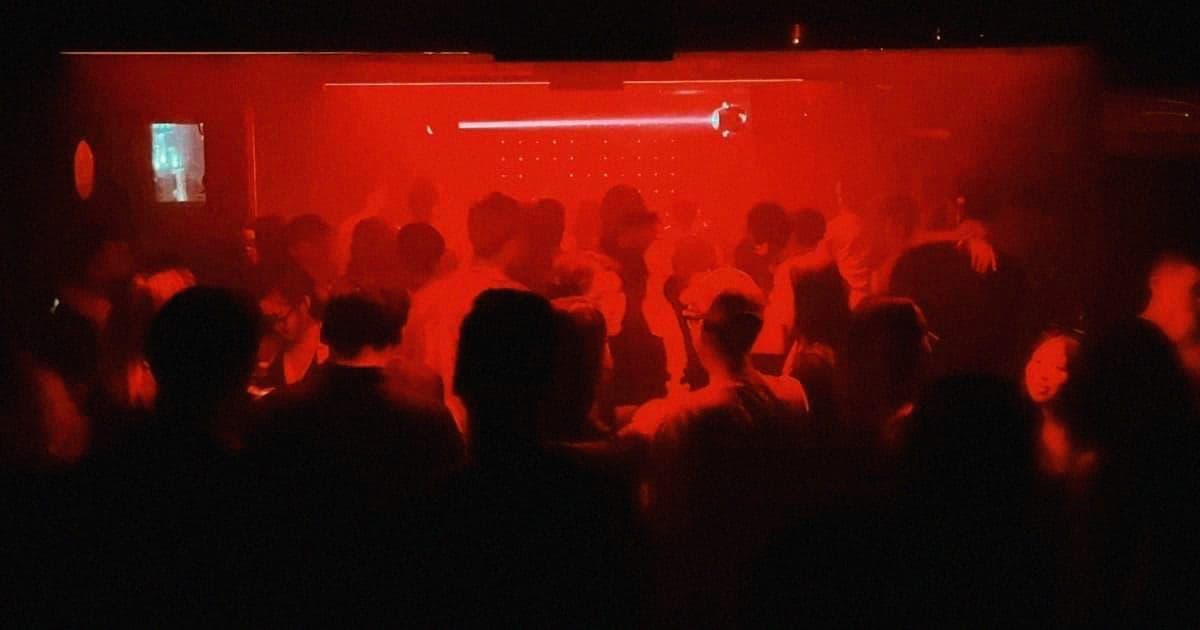
The Observatory had survived worse before. Founded in 2013 by Dan Bi Mong, known on the decks as Hibiya Line, alongside Nic Ford and Dan Lo, the venue moved through three different addresses in Ho Chi Minh City over 13 years, working around demolitions and redevelopment to keep the doors open. Its current home, the 10th floor of the Twins Tower at 85 Cach Mang Thang 8 in District 1, has hosted it for the past eight years, longer than either earlier location. That staying power built a real local ecosystem: 18 resident DJs, and international bookings that brought Soichi Terada, Peter Van Hoesen, Tom Trago, Answer Code Request, Sunju Hargun and Alex From Tokyo through Saigon, alongside partnerships with labels like Giegling, More Rice Records, Atipik and Nurture. This time, rent, regulatory pressure and booking restrictions arriving together proved harder to out-relocate than a demolition notice.
"A strong limitation on the guests we could invite... invalidated our initial project."
What does this mean for Southeast Asia's underground?
The Observatory's exit lands next to years of reporting on rising costs and shrinking booking flexibility hitting independent clubs across Asia, from Tokyo to Seoul to Bangkok. Vietnam's own domestic nightlife policy shifts, cited directly by the team as a factor, sit inside that pattern rather than outside it. What replaces a 13-year anchor venue in a market where relocation has already been tried three times is the open question the closure leaves behind.


