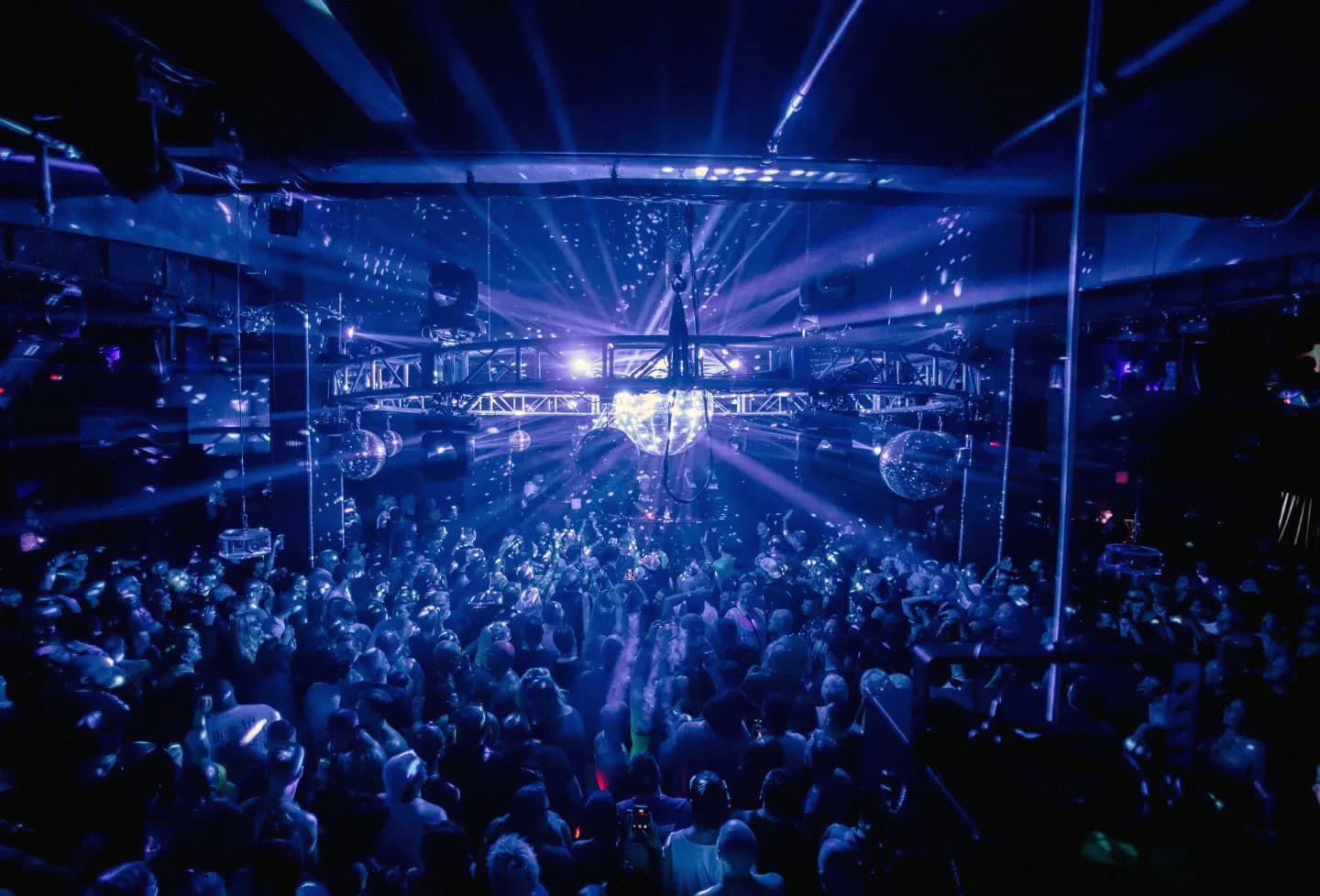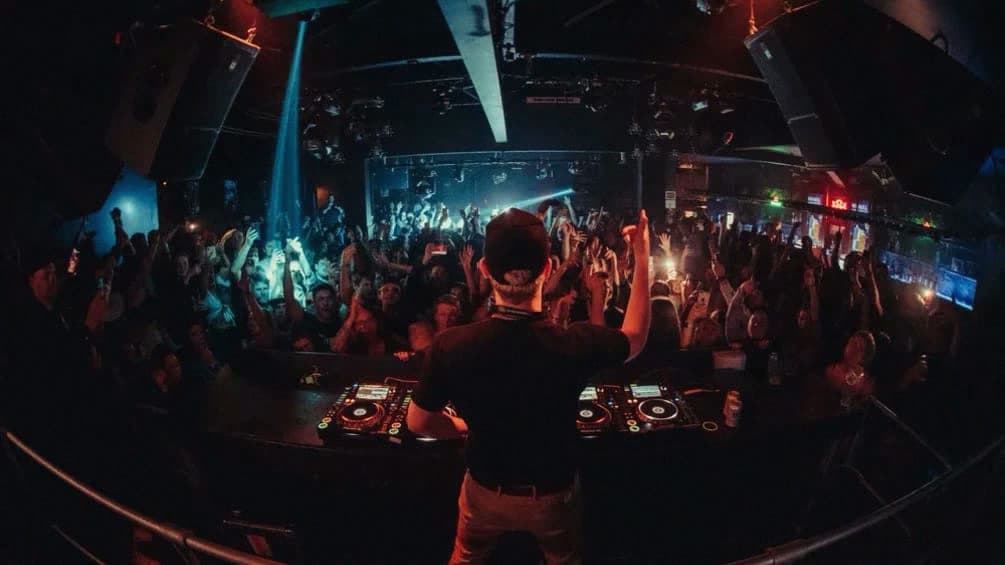
What actually kept Club 77 closed for four months?
Club 77 shut its doors on April 13, 2026, and the closure was never a mystery: the Darlinghurst basement room won a Sound NSW Venue Upgrade Grant and used it to rebuild itself around accessibility. The list is long: a wheelchair lift at the entrance, 1.5 metres of turning space throughout the room, a lowered bar top, accessible bathrooms, braille and tactile signage, and haptic vests so Deaf and hard-of-hearing patrons can feel the set rather than just hear it. The DJ booth itself is now retractable, built so a DJ using a wheelchair can play from it. Owner and music director Dane Gorrel put it plainly when the works were announced: "Everyone should be able to experience live music in an accessible, inclusive and safe environment."
Why did the comeback take longer than promised?
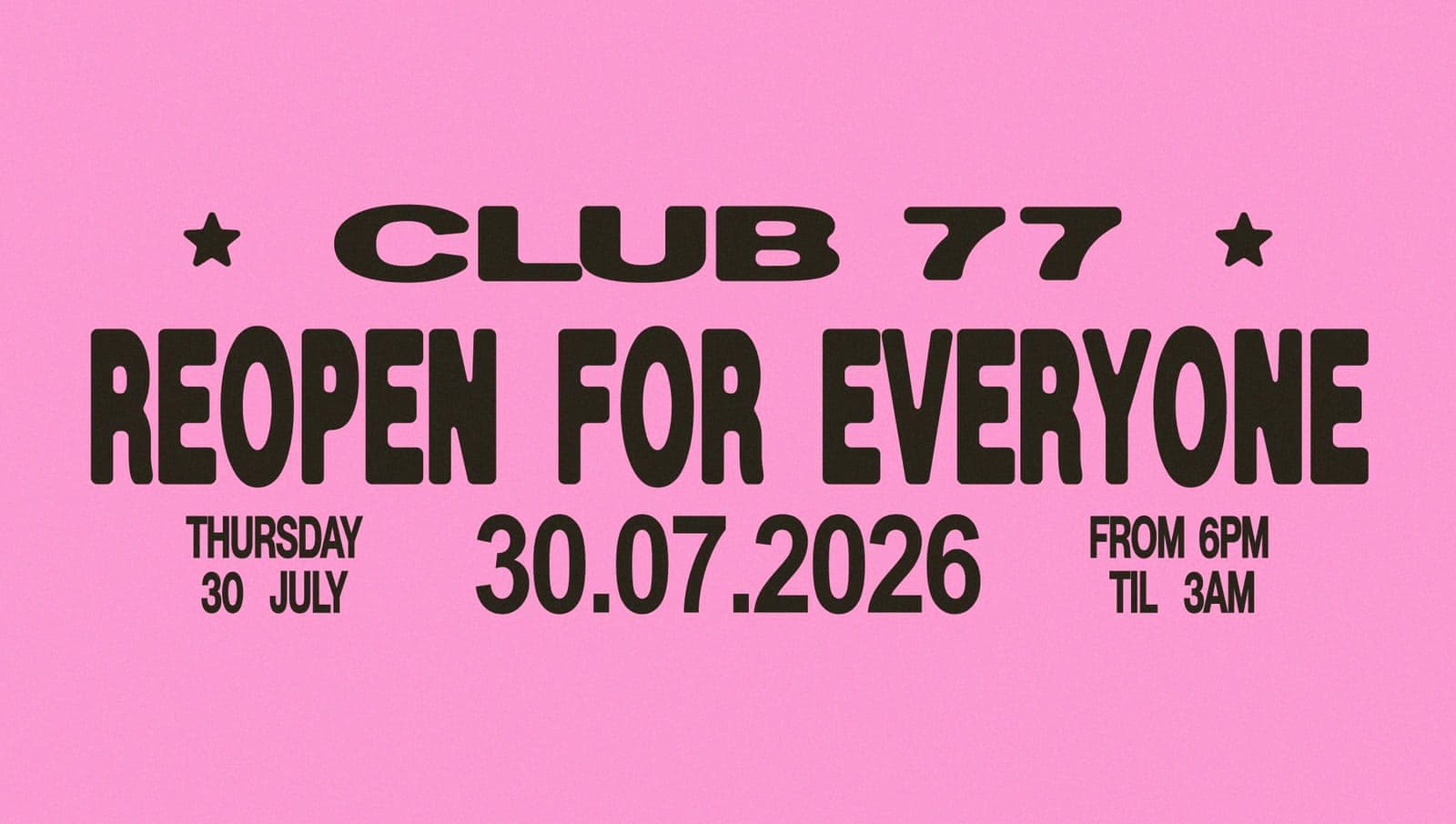
Here's the part Club 77 didn't put in a press release: when the closure was first announced, the reopening was pencilled in for June 4. That date came and went with the club still dark. It took until July 13, when Resident Advisor confirmed the real one, for anyone outside the venue to get a firm answer: Thursday, July 30, doors 6pm to 3am. Neither Club 77 nor RA has spelled out what pushed the timeline back seven weeks, and we're not going to guess. What's confirmed is simpler and, for a room that's outlasted lockout laws and a pandemic, more telling: it's reopening, on a real date, with a real bill.
Who's actually playing, and why does that matter?
No headline DJ flown in to sell tickets. The reopening bill is Rydeen, the Sydney selector behind FBI Radio's Saturday Sunset show, and sovblkpssy, who throws the city's queer warehouse parties and mixes percussive techno with breaks and bass. Both have history behind Club 77's decks already. Further nights are already booked into August, including sets from longtime resident Mike Who. Picking from its own roster instead of buying a marquee name says something about what this room is trying to be after the rebuild: the same club, not a rebrand with better ramps.
"It will be a game-changer in terms of who can be booked, who can attend, and ultimately, who can contribute to the culture." (Riana Head-Toussaint, Aquenta, Crip Rave Theory)
What does this mean for Sydney's scene?
Sydney's underground has spent over a decade absorbing hits: the 2014 lockout laws pushed last drinks to 3am and gutted late-night trade citywide, and Gorrel himself took over Club 77's license in 2018 in the middle of that fallout. Licensing and insurance costs have kept closing rooms since, long after the lockout was formally wound back. A 25-year-old venue voluntarily going dark for four months, on a state accessibility grant, and coming back with its identity intact instead of folding, is the rarer outcome in that story.