What just happened in Venezuela?
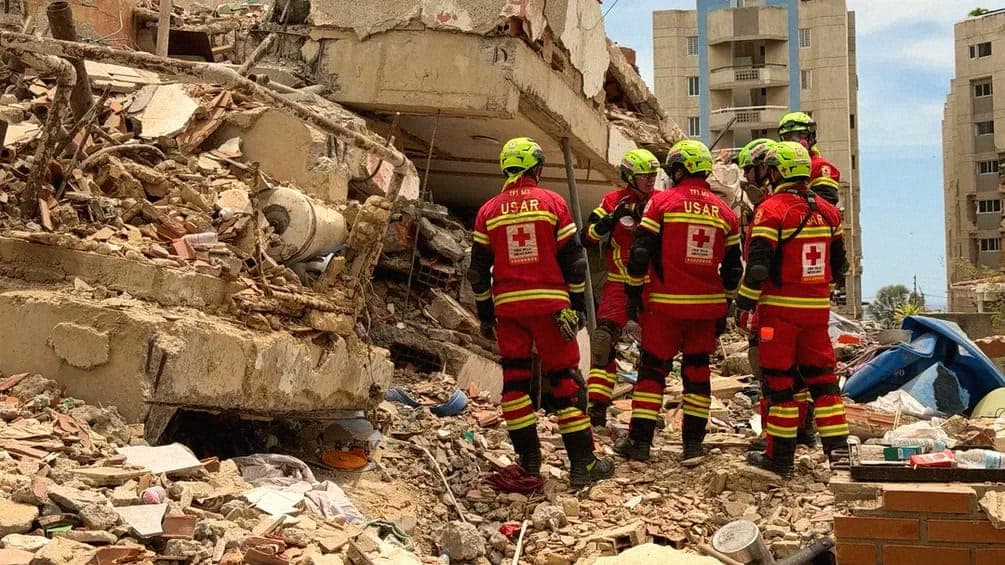
On 24 June 2026, a magnitude 7.2 foreshock and a 7.5 main shock hit the coast just west of Caracas within seconds of each other, the strongest earthquakes to strike the country in more than a century. More than 900 people have been confirmed dead, thousands are injured, and entire blocks have come down in La Guaira and around the capital. Simón Bolívar International Airport closed after taking damage, and power and internet blackouts have made it hard for people to even reach their families. It lands on a country already worn down by years of economic and political crisis, so the room to absorb a disaster this size is close to none.
What is the fastest way to actually help?
Money, sent to agencies that are already on the ground. The bottleneck in a disaster is rarely goodwill, it is logistics, and cash lets responders buy what is needed locally, water, antibiotics, IV fluid, shelter, the moment it is needed. UN Crisis Relief, the International Rescue Committee, Direct Relief and UNICEF are coordinating the response; Direct Relief says 100 percent of funds marked for Venezuela go to that effort. Resist the urge to box up clothes or bottled water: unsolicited material donations clog ports and pull staff off the work, and agencies only want goods when they ask for them. Give cash, ask for a receipt, done.
Why is this a house music story?
Because Venezuela is not just a place house music passed through, it is a place that built its own. In the barrios of west Caracas at the turn of the 2000s, a sound called changa tuki, later renamed raptor house, grew up around DJ Babatr (Pedro Elías Corro): roughly 140 BPM, a fusion of techno, tribal house and Afro-Caribbean rhythm, ecstatic, chaotic and entirely local.
"A tropical Latin reinterpretation of techno" is how Corro describes raptor house, now widely called the first electronic genre to come out of Venezuela.
For years it was looked down on. The word "tuki" started life as a class slur aimed at the kids from the barrio who made the music, until the scene reclaimed it. Then the rest of the world caught up: Babatr turned up on Miami producer Nick León's festival weapon "Xtasis" on TraTraTrax in 2022, and artists like Arca and Safety Trance now move between Caracas roots and the main stages of Europe and the US.
How do you support the scene, not just the moment?
Two things, and they outlast a news cycle. First, give to the relief effort now, while it is acute. Second, keep Venezuelan music visible: book the artists, stream and buy their records on Bandcamp where the money actually reaches them, credit them properly when their sound turns up in yours. Most of the scene is working in exile or on a laptop with almost no industry behind it, so a booking or a paid release is not charity, it is oxygen. The fastest aid is cash; the most durable is refusing to let Venezuela drop off the lineup once the headlines move on.