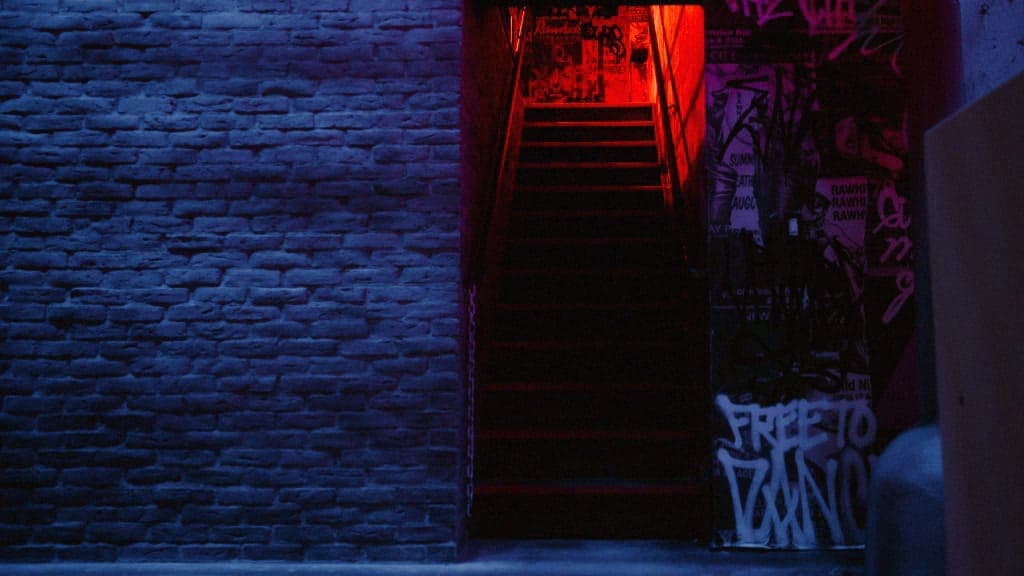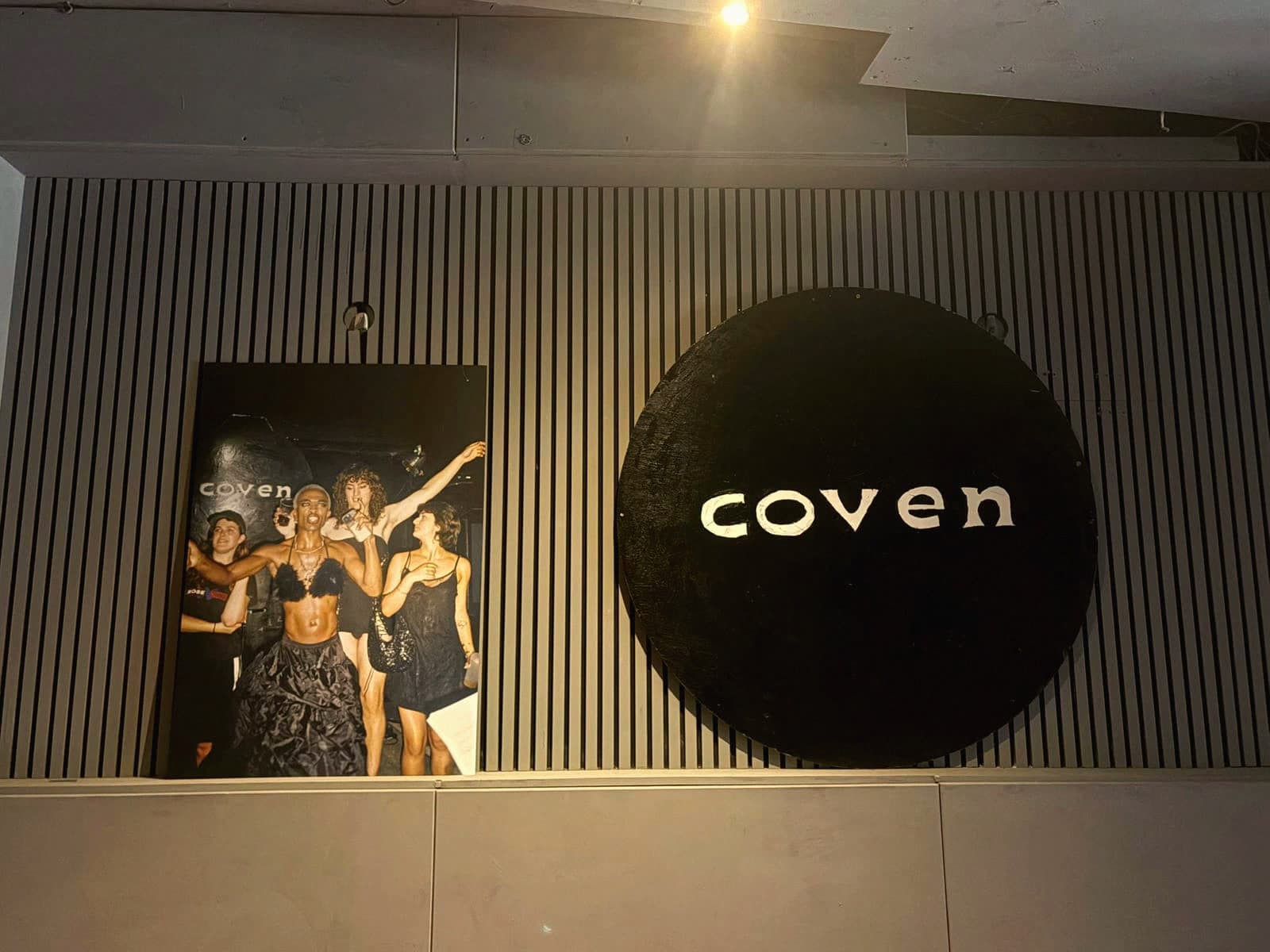
What is Coven: Headquarters?
The headlines about British nightlife have been relentlessly grim: a club closing roughly every two days, more than a quarter of towns with no nightclub left at all. So a five-floor queer venue opening in the middle of Soho reads almost like a rebuttal. Coven: Headquarters launched on Friday 19 June 2026 at 30 Old Compton Street, the address that was, for decades, the G-A-Y Bar until it closed in October 2025. It is the first new LGBTQ+ club to open on that street in over ten years, and on a strip whose queer history is part of the city's identity, the symbolism is hard to miss.
The project belongs to Matthew Jacobs Morgan, who only started Coven as a club night in Hackney Wick the year before. Going from an east London party to five floors on Old Compton Street in roughly a year is its own kind of statement. By night the place is a club of live music, cabaret and DJs, with themed nights swinging from afrobeat to techno. By day it flips into a cafe and community hub, tables and chairs and a tarot reader from five, the unglamorous infrastructure that keeps a scene alive between weekends.
Why open a club when everyone else is closing?
"A lot of the energy that used to be there wasn't anymore," Morgan said of the space. "But it is and always has been a very important space for the community." That is the whole thesis. The closures dominating the news are usually about rent, licensing and margins; Coven is a bet that a venue built explicitly around a community, and useful seven days a week rather than two nights, can hold ground that a pure nightclub cannot. The opening weekend made the case loudly, with a Solstice Day Rave on 21 June fronted by London nightlife institutions Princess Julia and Jeffrey Hinton alongside Jake Reed, Scarba and Norma Night.
While the maps fill up with shuttered clubs, someone just opened five floors of one on the most storied queer street in London.
Does one opening change the trend?
No single venue reverses a national contraction, and a 1am curfew is a reminder of the constraints every London operator now works under. But Coven matters as a model more than a data point. A space that earns its keep as a daytime cafe and community hub, then turns into a club after dark, is exactly the kind of hybrid the survivors of this era are likely to be. In a year of closures, the most useful thing about Coven may be that it shows what opening can still look like.