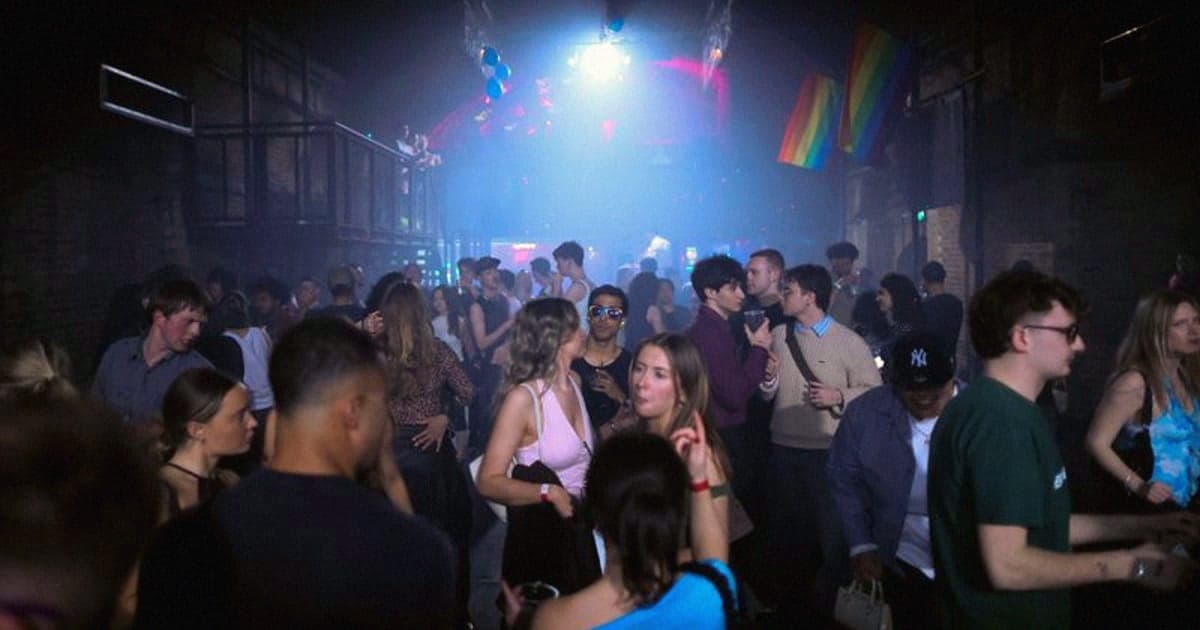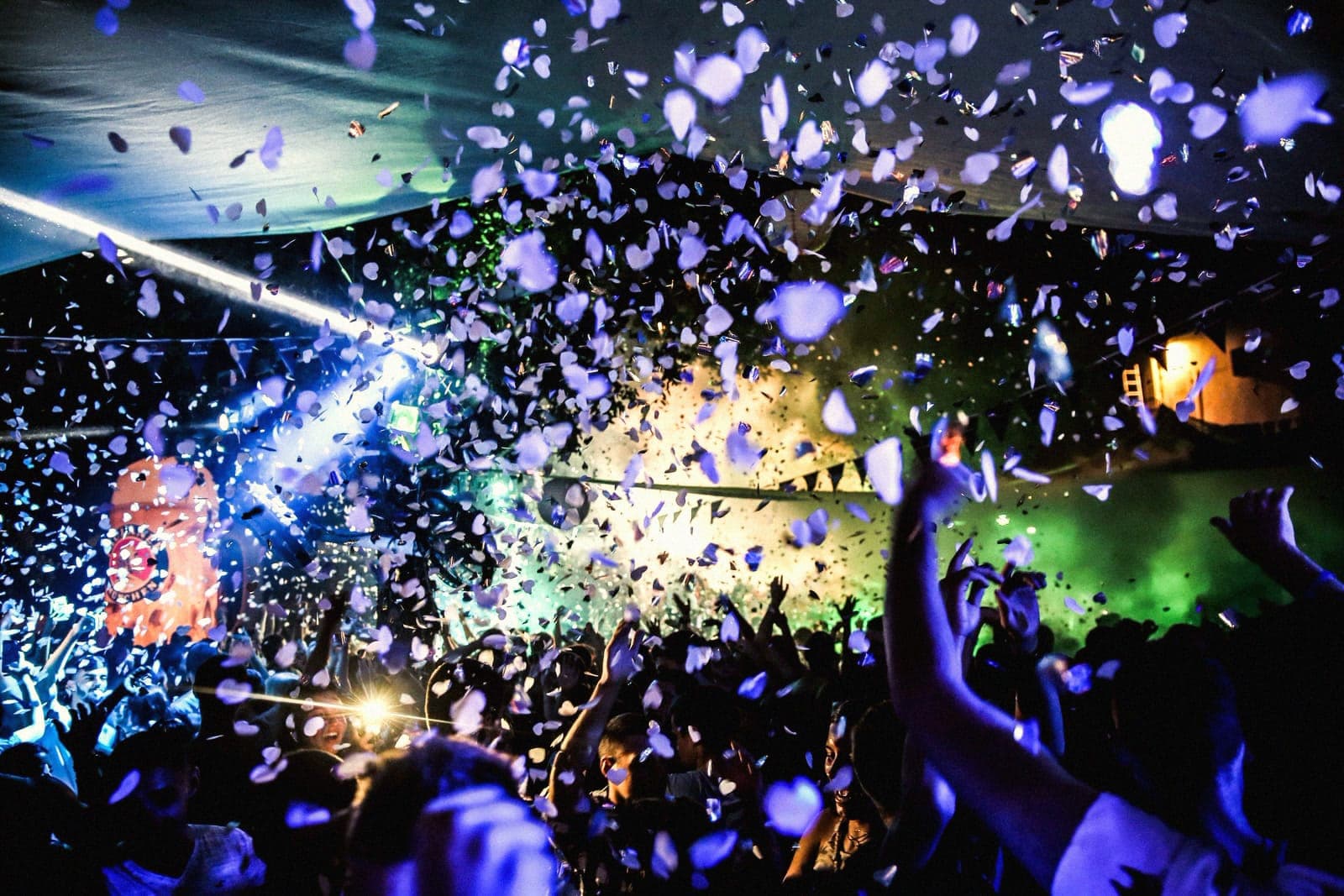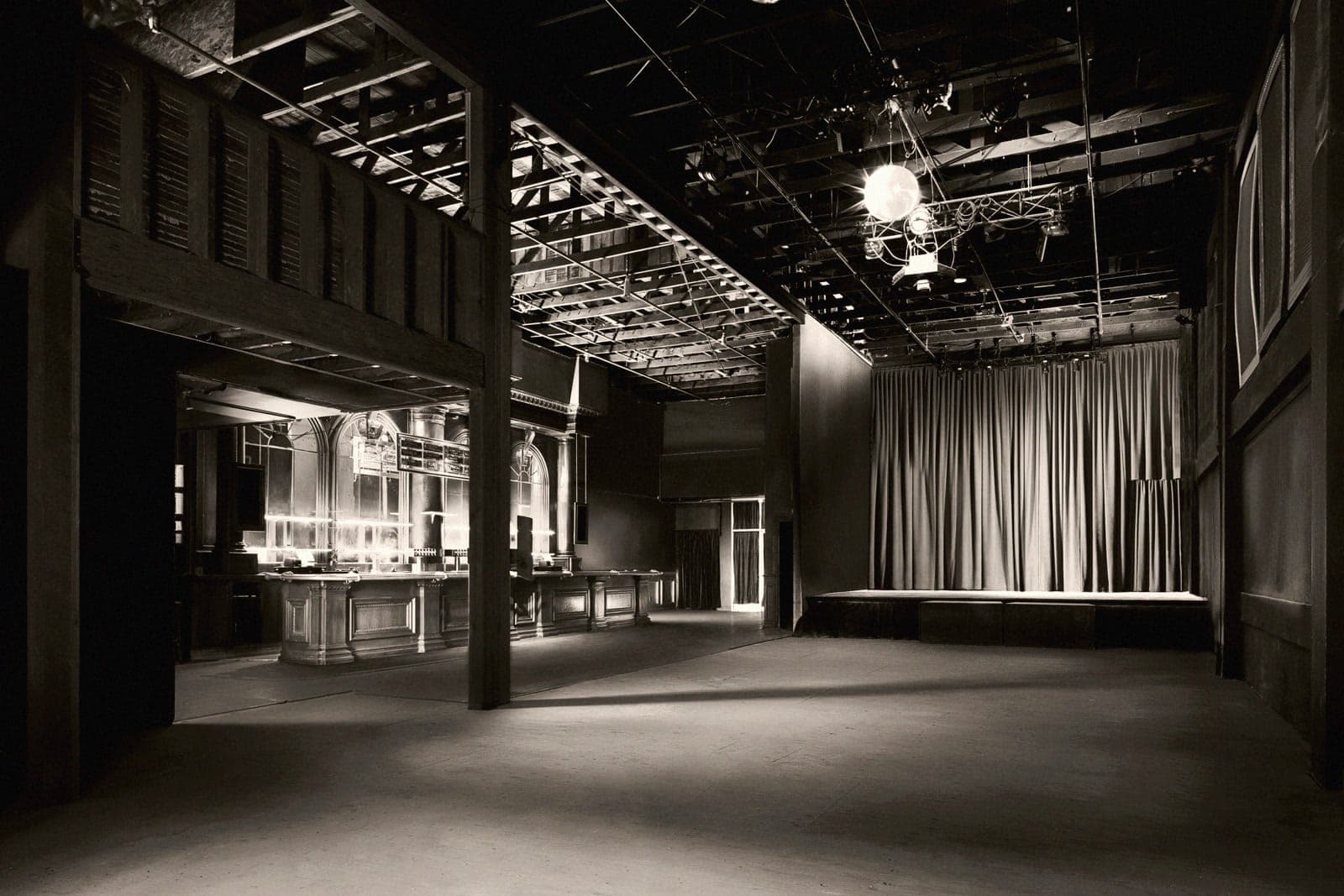
Crybaby is done. The Oakland club at 1928 Telegraph Avenue, across from the Fox Theater, told its crowd this week it will shut its doors for good at the end of November 2026. No landlord dispute cited, no license problem named, no falling-out between the owners aired in public. Just a close.
The club posted its thanks to the community rather than an explanation: "All we can say is THANK YOU. To everyone who came through, Black, Brown, queer and every community in between, you made us what we are." That is the only public statement from ownership so far, per KQED, which first reported the closure on November 10.
What was Crybaby, exactly?
Crybaby opened in 2022 inside the former Uptown Nightclub, a 400-capacity room that had sat dark since Uptown closed in 2020. Over four years it became one of Oakland's few rooms willing to book across genre lines rather than chase one scene: dance and club nights built on reggaeton, dembow, bass and hip hop leaning sets, with DJs like Rosa Pistola, Chippy Nonstop and Safety Trance passing through, alongside the occasional electronic lineup. It was not a house or techno room in the strict sense. It was something rarer in most American cities right now: a mid-size independent venue that stayed loyal to Black, Brown and queer crowds without needing a single-genre identity to survive.
"All we can say is THANK YOU. To everyone who came through, Black, Brown, queer and every community in between, you made us what we are."
Why does one Oakland closure matter beyond Oakland?
Because it is not one closure. Crybaby's exit lands in the same 2026 stretch as the closures of Eli's Mile High Club and Somar, two more names in a Bay Area nightlife map that keeps losing rooms faster than it replaces them, per Resident Advisor's reporting on the wave. None of these are festival headliner venues. They are the mid-capacity, independently run spaces that actually carry a city's underground calendar week to week, the rooms where a DJ plays a three-hour set to 300 people instead of a twenty-minute slot to ten thousand. Those are exactly the venues that survive on thin margins, and exactly the ones that a rent increase, a lease non-renewal or a slow Tuesday-through-Thursday can kill without anyone needing to say so publicly.
What happens to the audience Crybaby built?
That is the open question. A booking identity built over four years does not transfer automatically to another address. DJs find other rooms, sometimes further out, sometimes in another city entirely; the crowd that showed up specifically for Crybaby's mix of genres and its explicit welcome to Black, Brown and queer Oakland does not automatically regroup somewhere else. Every time a city loses one of these venues without anyone replacing it, the next generation of underground promoters inherits a smaller map to work with.
Crybaby's last listed date is December 4, 2026.