Why did Brussels force this sale?
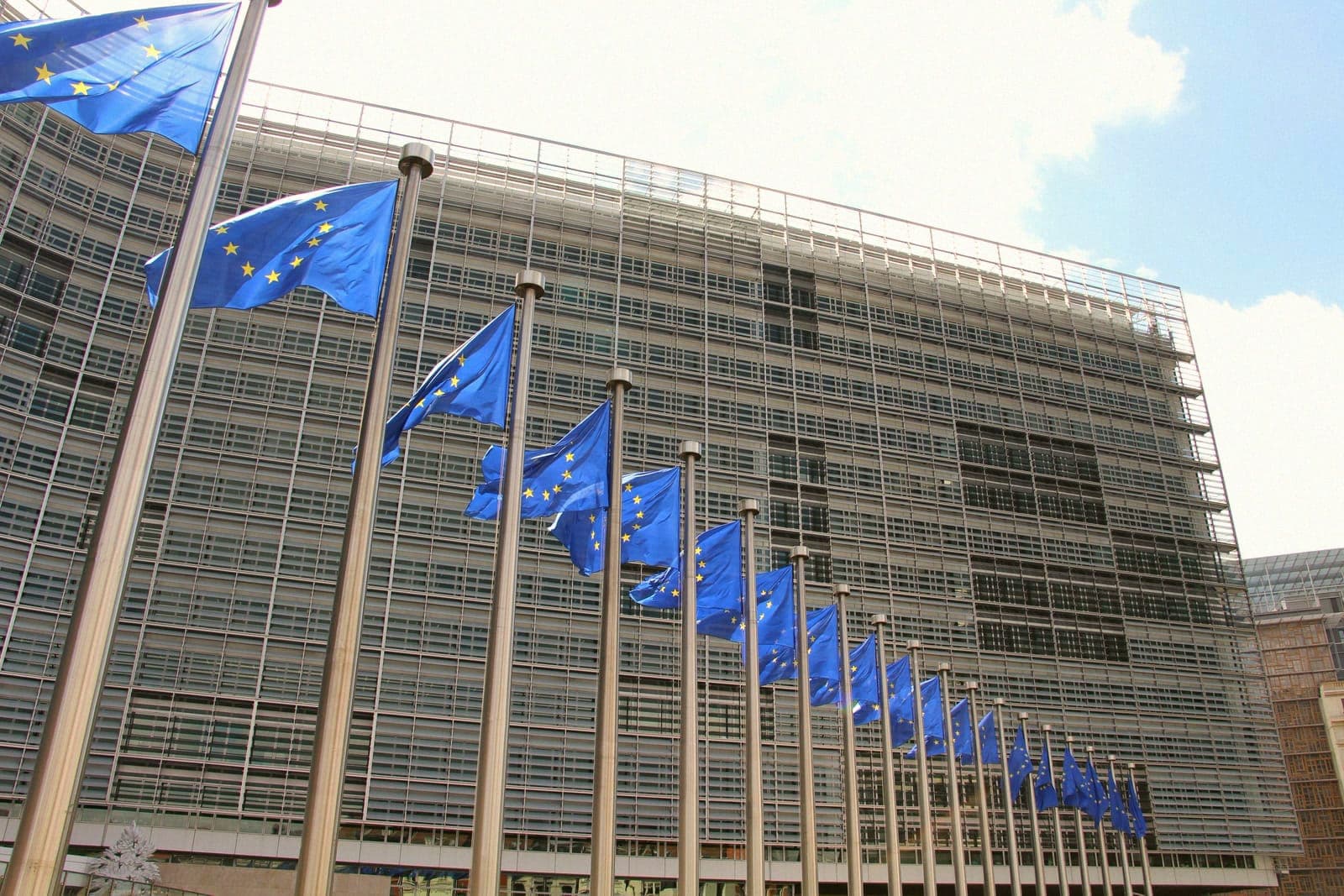
When the European Commission cleared Universal Music Group's acquisition of Downtown Music Holdings in February 2026, it attached a condition that says a lot about who regulators think royalty infrastructure actually belongs to. Downtown had owned Curve Royalty Systems since 2022, and Curve doesn't process royalties for whoever happens to own it, it processes them for a huge chunk of the industry that isn't UMG at all. The Commission's worry was blunt: if the world's biggest major label group ended up controlling the pipes that thousands of competing labels and distributors use to calculate and pay out royalties, UMG would have a direct line into commercially sensitive financial data belonging to companies it competes against for artists, catalogs and market share. So divestiture became a condition of the deal, not a suggestion. Jamen Capital and Merlin agreed to buy Curve from Virgin Music Group in June 2026, and the sale closed on August 18, 2026 once the Commission signed off on the buyer.
What was actually at stake for house and dance labels?
Curve's client list reads like a cross-section of the independent side of the business: Defected and Armada both run royalty accounting through the platform, alongside Epitaph, Exceleration, Reservoir, Sony Pictures Entertainment, Netflix and BBC/Demon. For a label like Defected or Armada, Curve is where the numbers actually live: what a track earned across every stream, every sync, every territory, the exact kind of data a rival wouldn't normally get near. Had Curve stayed inside UMG's ownership structure even briefly, that data sat one step away from a company Defected and Armada compete with directly for artists and distribution deals. That's the antitrust logic stripped to plain terms: not that UMG would necessarily have misused it, but that owning both the market and the meter that measures it is a structural conflict regulators weren't willing to wave through.
What changes at Curve now?
Not much, by design. Richard Leach stays on as CEO, and Curve says its team, products and existing client relationships carry over unchanged under the new ownership. Leach called the close a source of "independence, stability and backing" for Curve's next stage, while Jamen Capital's Matt Spetzler framed the investment as protecting what already works rather than remaking it. Merlin's involvement is the more pointed part of the story: Merlin represents independent labels and distributors worldwide, and its CEO Charlie Lexton put the stakes plainly.
"Curve is vital infrastructure for independent music businesses around the world. Completing this acquisition secures its independence and ensures it remains neutral, trusted and closely connected to the community it serves."
For the house and dance labels that run their payment cycles through Curve, neutral is the whole point.