Scroll through TikTok and you’ll eventually find creators calling “party girls” the ultimate networkers. The idea is simple: while everyone else stays home, they’re meeting founders, artists, DJs, photographers and future collaborators. Every night out becomes an opportunity.
They’re not entirely wrong.
But reducing nightlife to a networking strategy misses something much bigger.
The greatest value of the dancefloor has never been who you meet. It’s who you become.
For decades, we’ve treated partying and ambition as opposites. Especially for women. You’re either serious about your career or you’re wasting your time.
Reality is more nuanced.
Of course, excessive partying comes with real costs. But healthy participation in nightlife is something else entirely.
Think about what regular clubbers practice every weekend without realizing it: approaching strangers, reading body language, recovering from awkward conversations, managing social anxiety and feeling comfortable in unfamiliar environments.
These aren’t trivial experiences. They’re emotional intelligence in action.
Many people become confident on dancefloors long before they become confident in boardrooms.
That matters because, as AI becomes increasingly capable of writing, coding and analyzing information, the hardest skills to automate are deeply human: trust, empathy, communication, creativity and presence.
Nightlife also teaches something few workplaces can: community.
Psychologists have consistently found that dancing together increases trust, cooperation and social bonding. Those connections don’t stay on the dancefloor. They become friendships, collaborations and, sometimes, careers.
House music proves the point.
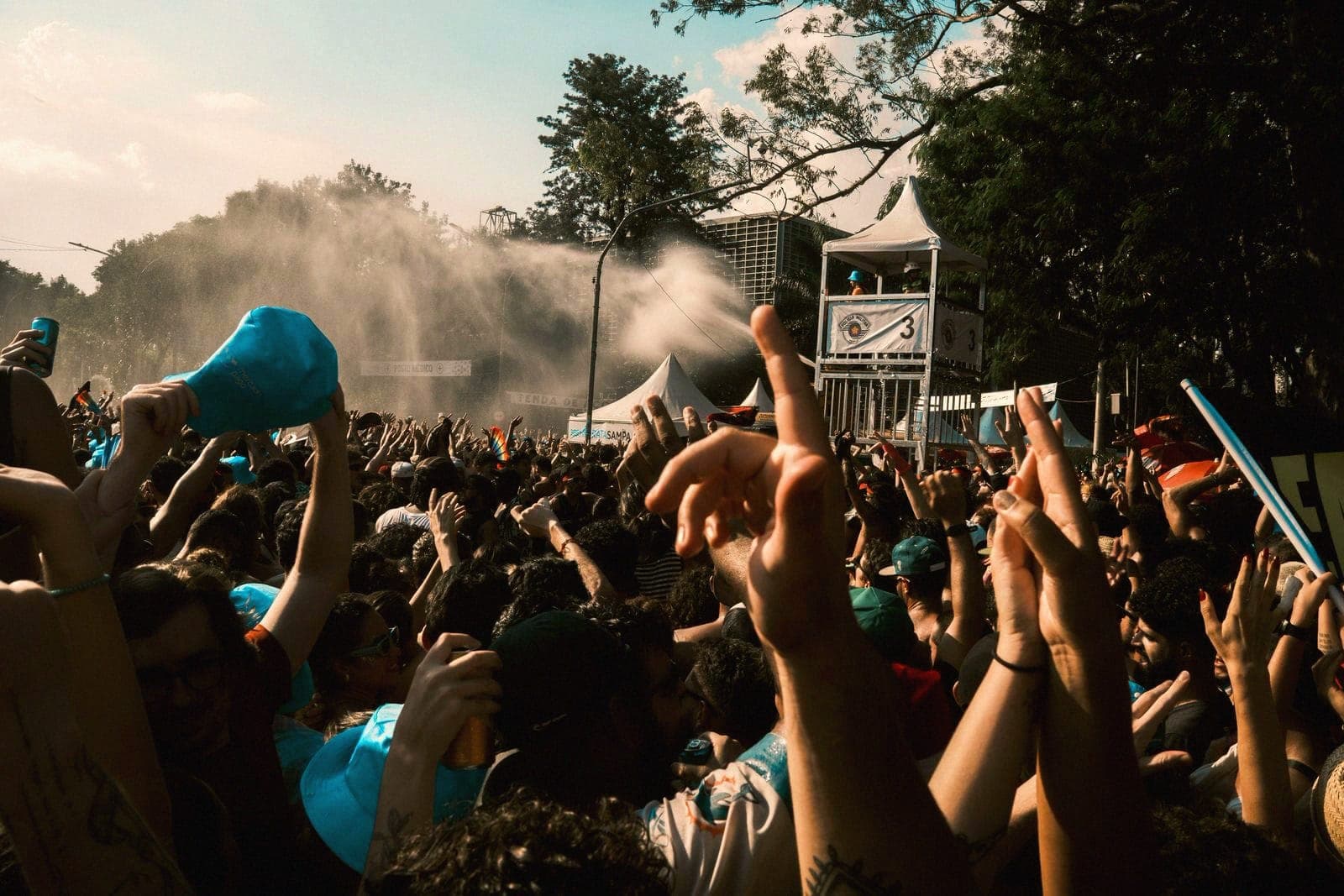
The Warehouse in Chicago, Paradise Garage in New York and Detroit’s underground weren’t networking events. They were communities built around music. DJs met photographers. Designers met promoters. Artists inspired one another. Entire creative industries emerged because people kept sharing the same spaces.
Nobody called it networking.
They simply called it going out.
Decades later, sociologist Mark Granovetter explained why these communities matter. His “strength of weak ties” theory showed that many career opportunities don’t come from our closest friends but from acquaintances, the familiar faces we see over time.
Music scenes naturally create those relationships.
The opportunities aren’t usually the result of working the room. They happen because you’ve spent years showing up authentically and becoming part of a community.
That’s where the viral “party girl networker” trend gets it slightly wrong.
The dancefloor isn’t valuable because it’s LinkedIn with louder speakers.
It’s valuable because it’s one of the few places left where people gather without a formal agenda. No meetings. No performance. Just shared experience.
As more of our lives move online and AI takes over routine work, those spaces may become even more important. The people who thrive won’t simply be the most technically skilled. They’ll also be the ones who know how to build trust, communicate, collaborate and create genuine human connection.
Healthy nightlife has been teaching those skills for decades.