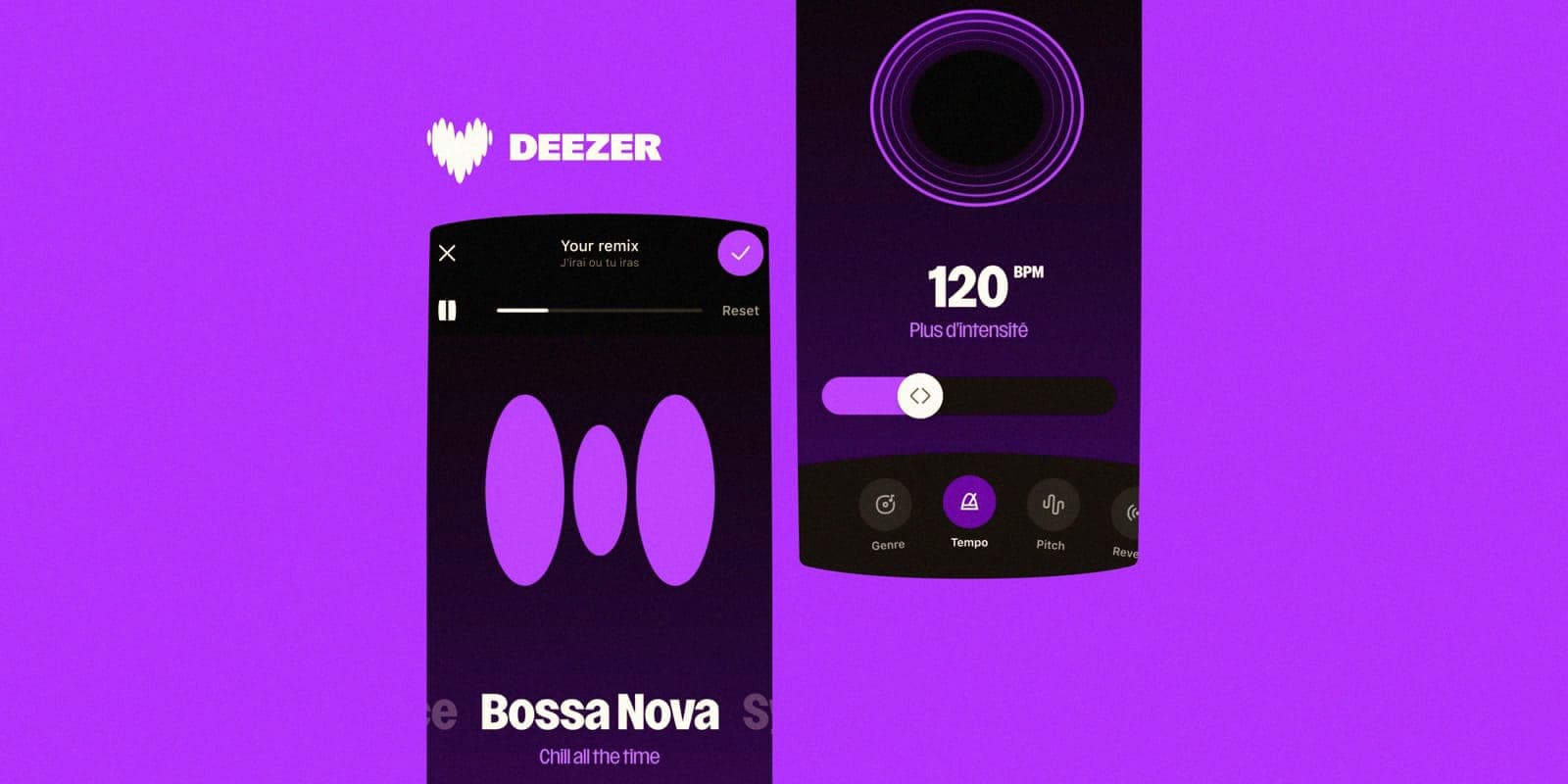
What exactly does Remix Lab let fans do?
Inside Deezer's app, through the Deezer Club, listeners can now take a song apart and put it back together. The basics are simple: nudge the tempo, add reverb. But the feature also opens the door to "more elaborate transformations such as changes to musical genre and style," which is where a straight streaming tool starts to look like a lightweight production booth.
The hook is the Deezer Club competition layer. Users can enter remix contests, with winners announced in early September. Prizes include playlist placement, Deezer Purple Door event tickets and artist merchandise, so there is a real incentive to actually finish and submit an edit.
How is this different from what Spotify and YouTube are doing?
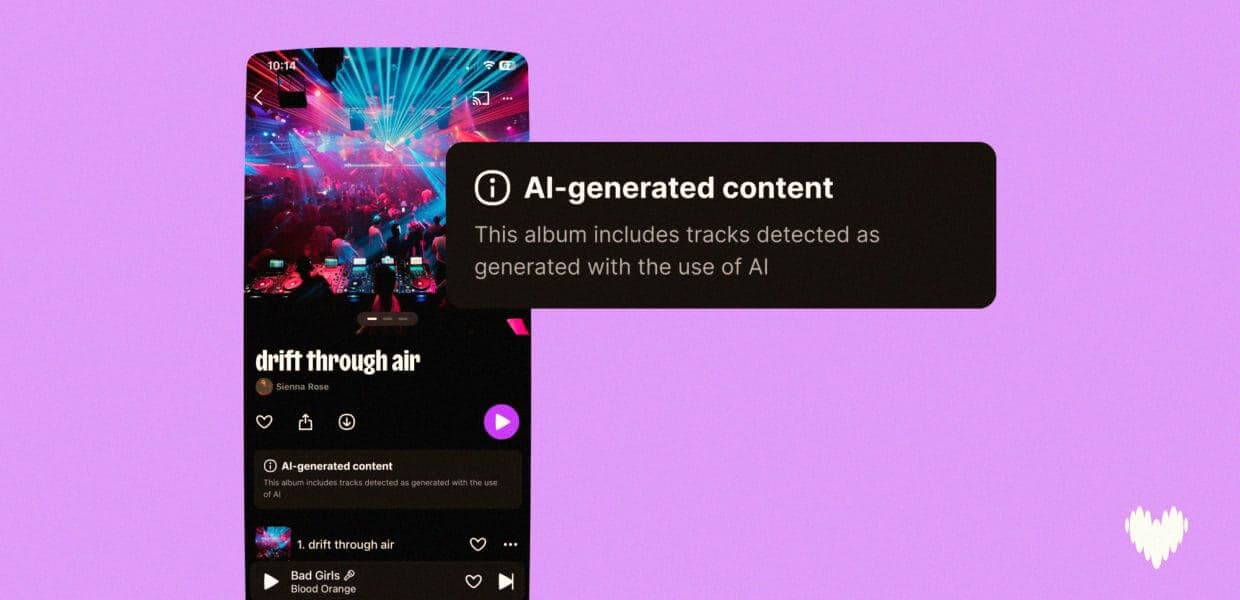
This is the whole point. Where YouTube and Spotify employ AI for remixes, Deezer is doing the opposite: built-in creative tools operated by a human, no generative model in the loop. It is a deliberate stance against the AI-music trend, and it lines up with the rest of Deezer's year. The company said earlier in 2026 that roughly 44% of newly uploaded tracks are fully AI-generated, and on 11 June 2026 it shipped a free AI music detector that scans playlists on rival platforms. Remix Lab is the constructive flip side of that: not policing AI, but paying humans to remix.
Do artists actually get a say and get paid?
Yes. The feature only works with explicit artist and rights-holder approval, which is why the launch is a curated roster rather than an open free-for-all.
"These features are made possible with full participation of the artists, fully respecting rights, and maximizing earnings for each track." (CEO Alexis Lanternier)
That framing (consent, rights, earnings) is the wedge: it hands artists control and a revenue line that AI remixing does not.