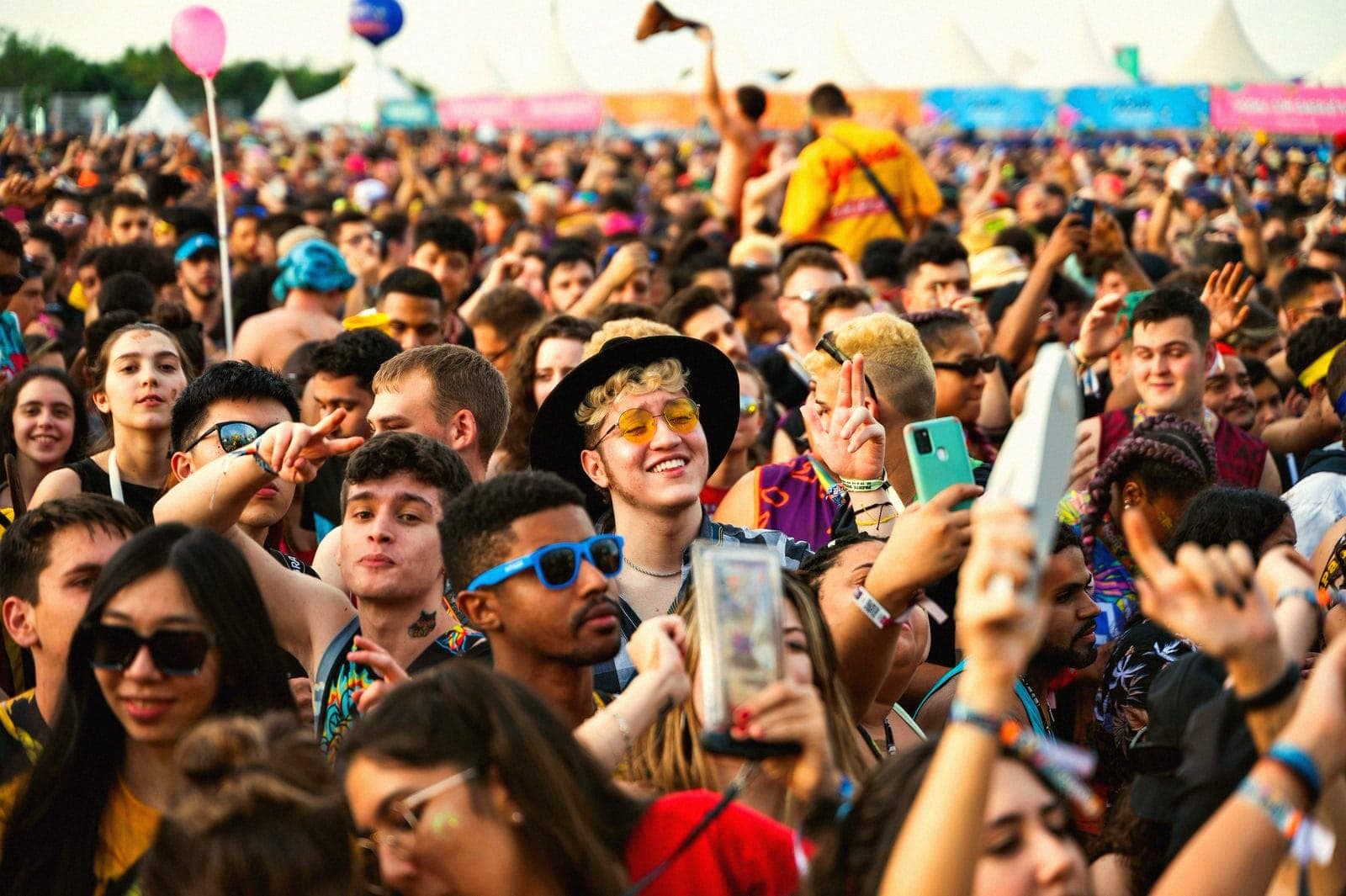
What exactly happened at Defqon.1?
It was not a thunderstorm or a flooded field this time, it was the air itself. The Dutch meteorological institute KNMI issued a Code Red heat warning, the first such alert in the country's history, with the weekend forecast climbing toward 40C. Defqon.1, the hardstyle institution that has filled the fields of Biddinghuizen every June since 2011, could not run safely under it.
Organiser Q-dance did not pull the plug all at once. First it scrapped the Friday and Saturday day tickets to thin out the crowd, then restricted entry to weekend pass holders, and finally cancelled the remaining programme outright. By then tens of thousands of people were already on the campsite. "We are absolutely devastated by this development," the festival said, calling it "a blow felt on every level." Every ticket will be refunded, with extra compensation promised once the dust settles.
Why this is bigger than one hardstyle weekend
Defqon.1 is not a deep-house party, but the lesson does not care about genre. The same weekend, meteorologists were describing western Europe's most severe and widespread heatwave on record, with the UK posting its hottest June day ever. Open-air season runs from June to September, which is exactly when these events now collide with heat that is no longer a freak occurrence.
That turns weather into an operating cost. A daytime outdoor festival of a quarter of a million people is, in a 40C spike, a public-health exposure: medical tents, water, shade, evacuation plans, and the liability if it goes wrong. House and techno open-airs, the Sonars and Dripping and Gottwoods of the calendar, sit under the same sky.
A washed-out field you can mop up. A national heat record you have to design around.
Can festivals actually adapt?
Up to a point. Promoters can push sets into the night, plant more shade, hand out water, and watch the forecast like air-traffic controllers. Some will quietly move dates earlier or later in the year. But a government issuing its first-ever Code Red is a hard stop, not a tweak, and no amount of misting fans overrides a public-safety order. The uncomfortable question Defqon.1 just put on the table is whether the format itself, enormous daytime crowds outdoors at the end of June, still makes sense in the decade ahead.