What happened at PRST?
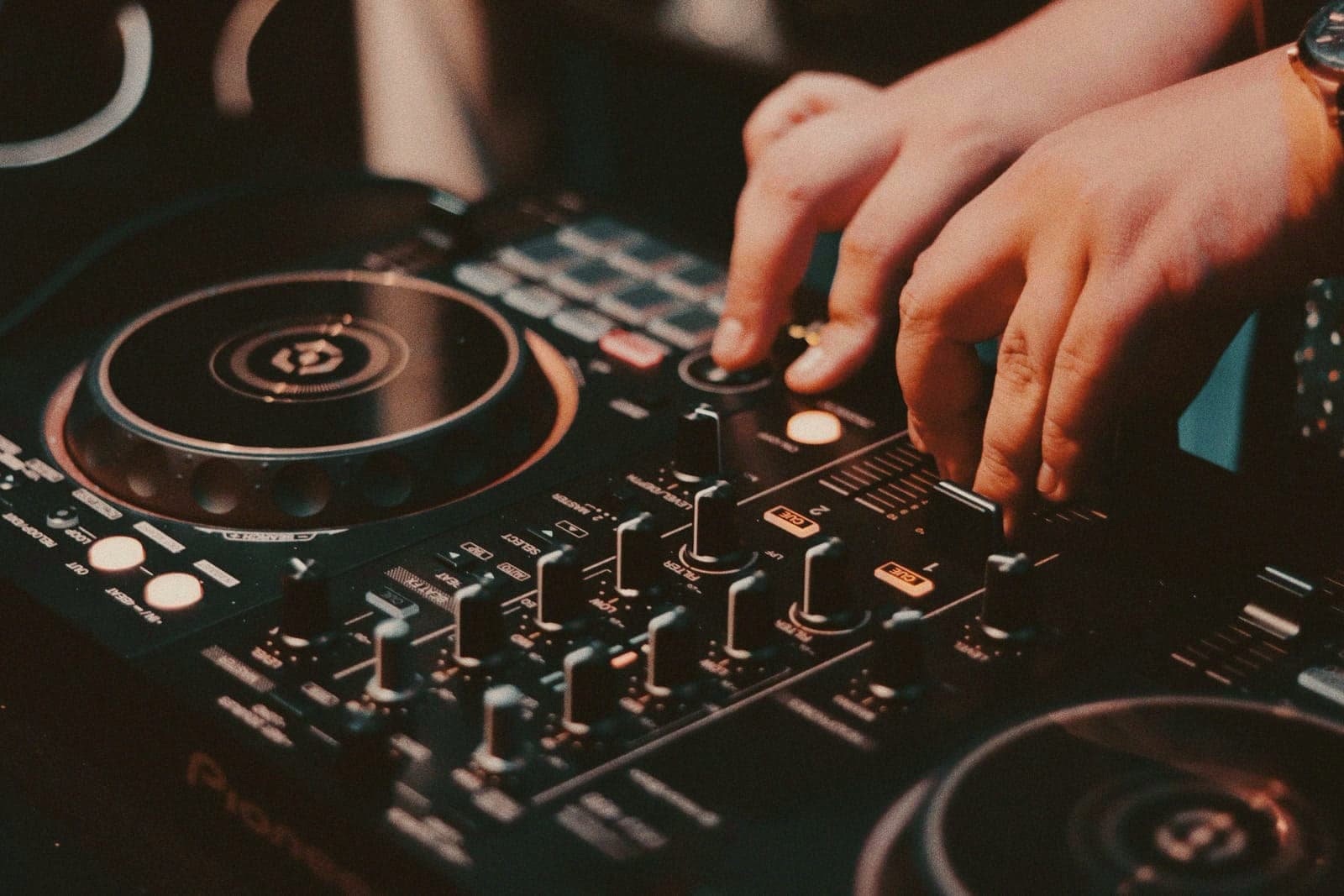
Demuja was mid-set at PRST in Vienna on October 8 when the music cut to silence. Someone had reached into the booth and pulled the USB stick straight out of the CDJ he was playing from. He went public on Instagram two days later, on October 10.
"Somebody stole my USB out of the CDJs while I was playing. So everything went into silence for a while."
How much did he actually lose?
This wasn't a backup copy sitting at home. The drive held thousands of tracks Demuja had collected over years, plus the bulk of his unreleased catalog: music he had written, dubbed, edited and never put out. He has described the loss as devastating both artistically and financially, the kind of damage that doesn't show up on an insurance form because nobody puts a price on an unreleased dub plate until it's gone.
Why does a single USB carry that much risk?
CDJs are built around the USB slot for a reason: it's the one format every booth, every rig, every festival stage reads without friction, no laptop, no software clash, no compatibility headache. That convenience is exactly the problem. Most touring DJs still carry the bulk of their catalog, released and unreleased, on one or two sticks that live in a bag or, mid-set, in a slot anyone standing close to the booth can reach. No password, no encryption, often no second copy anywhere else.
Demuja's reaction leaned toward resignation more than fury. He said he hopes "karma will come for" whoever took it, while adding that most of the crowd lives by a different ethic, saying "99 percent" of people in music culture understand it's about "unity, love and sharing (positive) moments."
What can touring DJs actually do about it?
There's no industry standard here. Some DJs already carry a mirrored second stick in a separate bag, or push an encrypted backup of their folder structure to the cloud before every tour leg, both of which cost almost nothing next to the hours it takes to rebuild years of edits and dubs. Clubs could also tighten who's allowed to stand inside the booth during a set, a basic access-control fix most venues have never bothered to formalize. None of it is complicated. Almost none of it is standard practice yet, which is exactly how one hand in a booth erased years of a working DJ's archive in a few seconds.