Dance music is a billion-dollar industry. Almost none of that money reaches the people who make the tracks it runs on.
That is the core argument of a breakdown published by We Rave You on August 7, which lines up two numbers that rarely sit next to each other: what a headline DJ earns per show, and what the producer of the tracks in that DJ's set earns from those same tracks streaming. The gap is not a rounding error. It is the entire business model.
Why does a $1.49 track fund a $600,000 DJ fee?
Beatport's per-track pricing has barely moved since the platform launched in the mid-2000s: roughly $1.49 for catalog tracks, $1.99 for new releases. Twenty years of inflation, twenty years of gear costs rising, and the price of the actual music has stood still. Meanwhile, per We Rave You's breakdown, top touring DJs now pull $600,000 or more for a single headline show, built on catalogs stacked with exactly those $1.49 to $1.99 tracks.
The DJ fee reflects the DJ's drawing power, not the value of the music, and that's the structural problem: the tracks are treated as a commodity input, priced the same as they were before streaming existed, while the person spinning them captures the growth.
What does streaming actually pay the person who made the track?
Spotify's per-stream rate sits at roughly $0.003 to $0.005, a figure widely reported across the music-business data world. Run the math and a producer needs somewhere between 4,000 and 5,000 streams just to clear one hour of minimum-wage pay. Anything under 1,000 streams a year, per Spotify's own payout-floor policy, earns the producer nothing: the track simply falls below the threshold the platform pays out on at all.
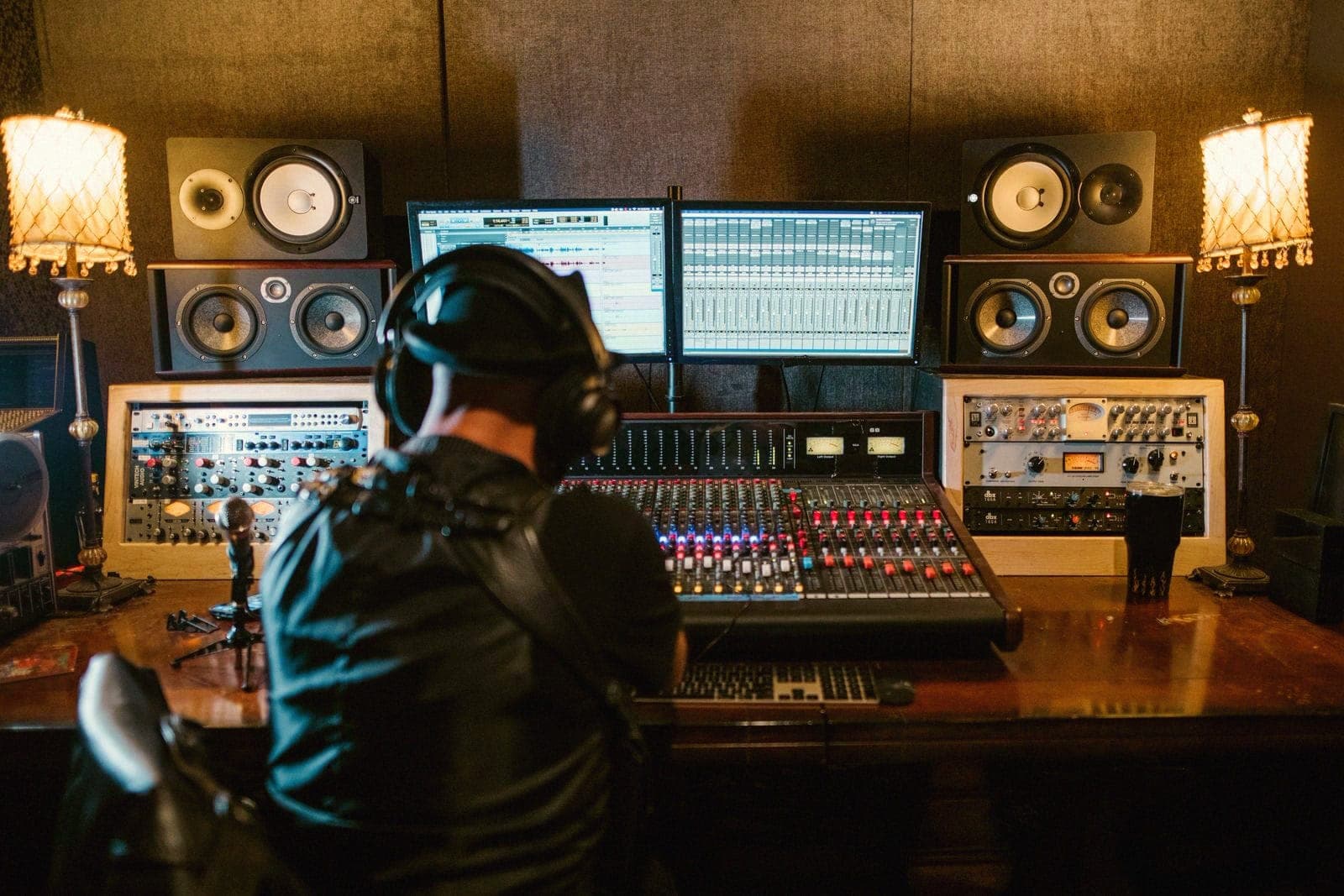
A basic home studio setup costing about $1,748 needs roughly 388,444 Spotify streams, or around 2,110 Beatport downloads, before the producer has even broken even on the gear.
That's not profit. That's not a living. That's the cost of the laptop, the audio interface and the monitors, per We Rave You's analysis, before a single hour of studio time or a single show fee enters the picture.
Is the dance-music economy quietly built on unpaid labor?
The uncomfortable part isn't that streaming pays badly, everyone in music already knows that. It's that dance music's own internal economy reproduces the same imbalance at a smaller, more personal scale. A DJ's headline fee is underwritten by a catalog of tracks whose makers are, structurally, working for close to nothing. The people building the sound that fills the booking calendar are the ones least protected by the numbers behind it.
None of this is a scandal in the sense of wrongdoing by any one party. It's the accumulated effect of a pricing structure (Beatport) and a payout structure (Spotify) that both predate the current touring economy, and never got renegotiated once DJ fees started climbing into six figures.