Diplo Says Young People Aren't Boring. They're Changing How We Party.
Diplo Says the Future of Nightlife Is Wellness. But Are Clubs Really Dying?
Diplo thinks the nightclub of the future might look very different from the one we know today.
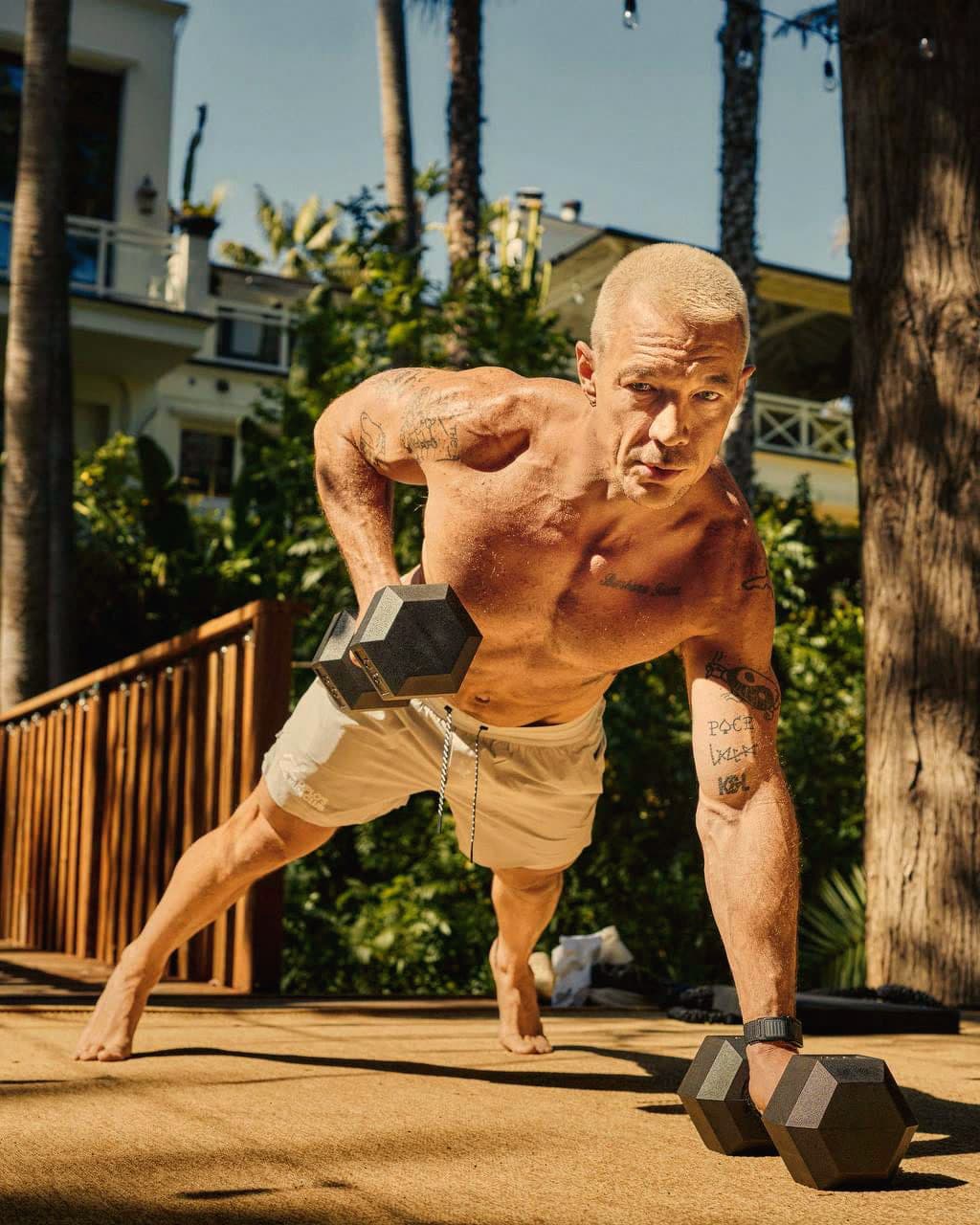
Speaking at The Wall Street Journal's Future of Everything event, the DJ argued that younger generations are increasingly moving away from traditional nightlife and toward healthier forms of socialising: run clubs, saunas, wellness events, ambient shows and sound baths.
The Wall Street Journal summed up his prediction simply: the future of entertainment could mean "less nightclubs, more healthy experiences." (linkedin.com)
Coming from one of the biggest DJs in the world, it's worth paying attention.
Diplo has already placed a fairly large bet on the idea himself. Diplo's Run Club combines a 5K with a live DJ performance, turning something traditionally associated with fitness into something closer to a daytime rave. His early events became some of the biggest shows he had headlined in those cities. (LinkedIn)
And he isn't imagining the cultural shift.
Wellness has increasingly become social.
Run clubs are becoming places to make friends and date. Saunas are turning into community spaces. Breathwork, cold plunges, sober parties, daytime events and sound baths are competing for the same thing clubs have traditionally sold: an excuse to leave the house and experience something with other people.
At the same time, moderation is becoming increasingly normal. NielsenIQ reported in 2026 that health and wellness are playing a growing role in Gen Z's drinking decisions, while no- and low-alcohol options continue gaining relevance. (NIQ)
So Diplo may be identifying something real.
But saying young people no longer want nightlife misses an important part of the picture.
Because perhaps people aren't rejecting going out.
They're rejecting the idea that going out has to mean getting destroyed.
There is a big difference.
Despite the endless headlines about the "sober generation," Gen Z still goes out a lot. NielsenIQ found that 70% of Gen Z consumers surveyed globally eat or drink outside the home at least weekly, while 37% said they planned to increase those visits. (NIQ)
Even alcohol itself isn't disappearing as cleanly as the cultural narrative sometimes suggests. Morning Consult found in 2026 that weekly drinking at bars and restaurants among US Gen Z adults had actually increased compared with late 2024. (Morning Consult)
So the future probably isn't as simple as replacing the nightclub with a sauna.
The more interesting possibility is that nightlife itself evolves.
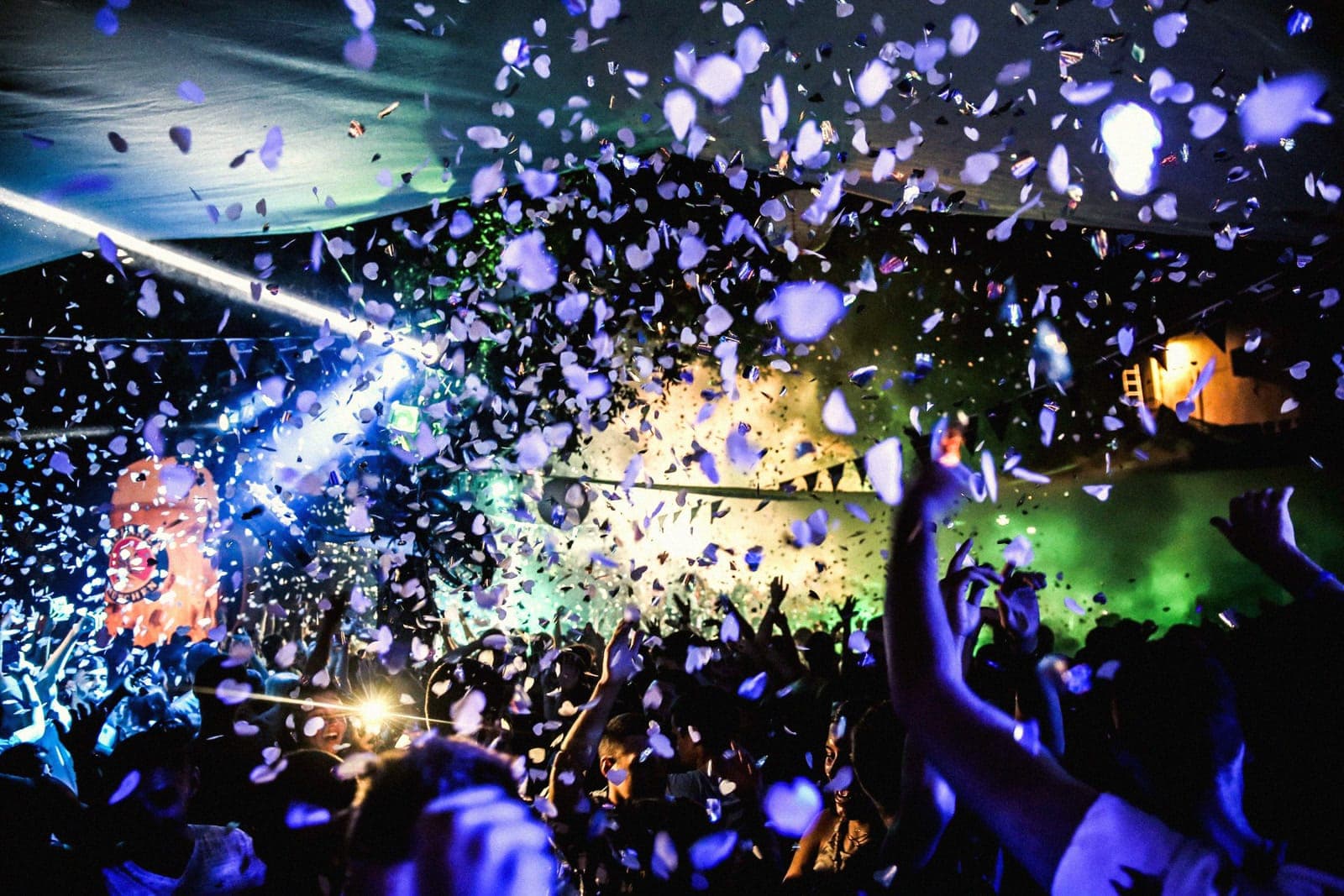
Maybe tomorrow's rave starts at 6pm instead of 1am.
Maybe clubs serve genuinely good alcohol-free drinks.
Maybe events last all afternoon instead of all night.
Maybe people dance for six hours and still want to wake up feeling human the next morning.
Maybe running, wellness, festivals, listening sessions and club culture increasingly overlap.
But there is also something worth protecting about the traditional dancefloor.
Not everything needs to become productive.
Not every social experience needs to improve your VO2 max, regulate your nervous system, optimise your sleep score or increase your longevity.
Sometimes humans need spaces where the objective is simply to dance.
The dancefloor offers something a run club, sauna or wellness class cannot completely reproduce: darkness, anonymity, sensuality, unpredictability and collective release.
You can lose yourself for a few hours.
You can meet someone you would never meet in your normal social circle. You can sweat next to strangers. You can hear music louder than you would ever play it at home. You can enter a room as an individual and, for a moment, become part of something much bigger.
That experience existed long before social media, wellness culture or the modern nightclub.
Humans have gathered around rhythm, dancing and altered states for thousands of years.
That desire probably isn't disappearing.
And strangely, the rise of online life may make those physical experiences even more valuable.
Diplo himself pointed to the contradiction: people increasingly experience their social lives online, yet they are simultaneously searching for experiences that get them back into the physical world.
Morning Consult's research reflects a similar tension. Young adults report difficulties meeting new people, while wellness-focused social activities are growing in importance. (Morning Consult Intelligence)
The opportunity for nightlife, then, isn't necessarily to compete with wellness.
It may be to learn from it.
Give people community without requiring intoxication.
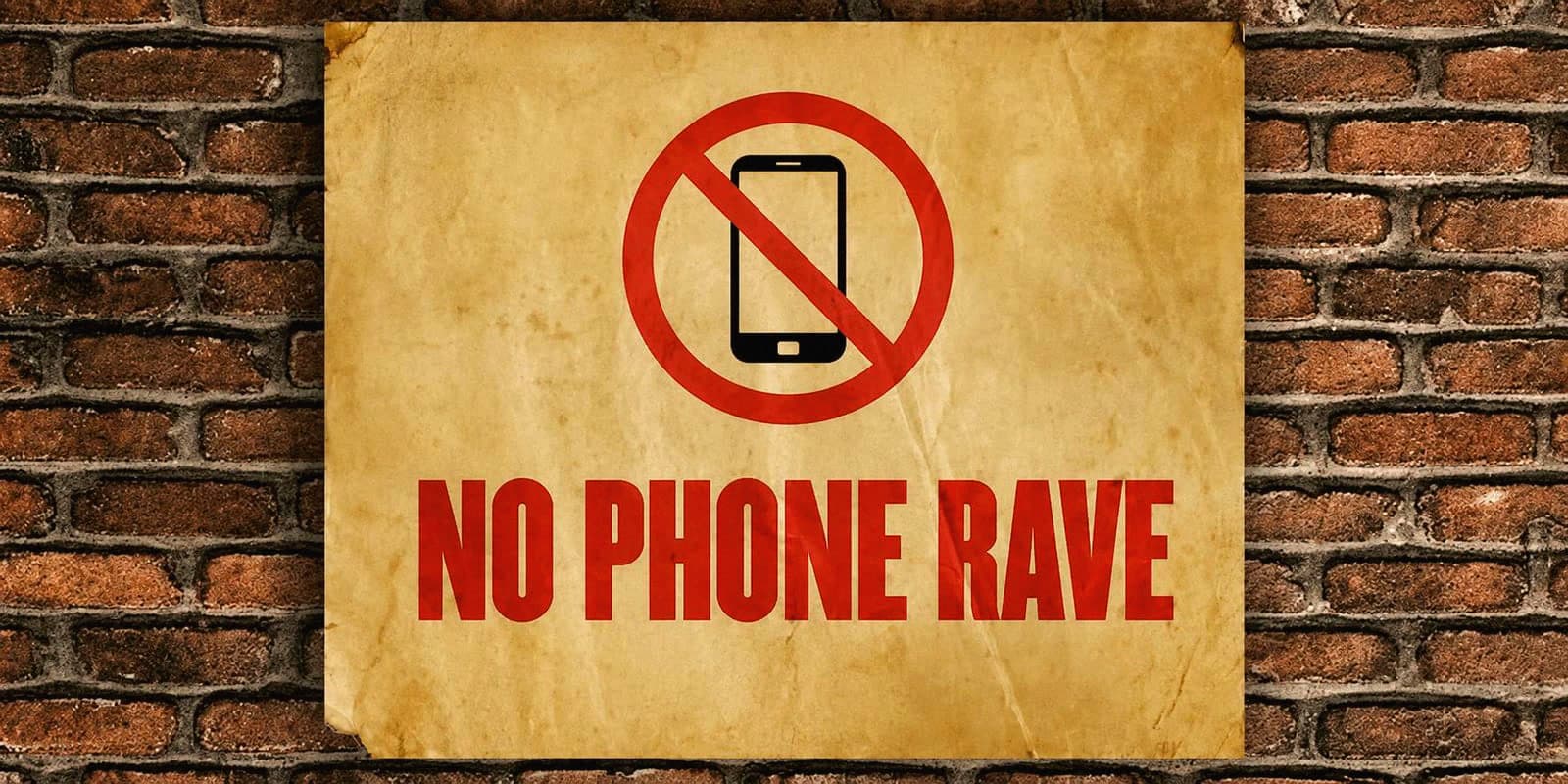
Give them experiences worth leaving their phones for.
Make dancing the main event again rather than something happening between trips to the bar.
Create longer sets, better sound, better spaces, earlier options, sober options and environments where connection matters more than bottle service.
Because the real cultural shift might not be from nightlife to wellness.
It might be from consumption to experience.
And if that's where the next generation is heading, electronic music is actually incredibly well positioned for it.
The best rave was never really about tequila anyway.
It was about the music, the people, the movement and that strange moment when a room full of strangers suddenly feels connected.
Perhaps the club of the future isn't dead.
Perhaps it just remembers what it was supposed to be about.