For years, iPad music production meant working around limits: shallow sampling tools, no proper plugin hosting, and constant compromises versus a laptop rig. discoDSP just closed one of those gaps by bringing its Bliss Sampler, previously a desktop-only VST/AU workhorse, to iPadOS.
What does Bliss Sampler actually do on iPad?
Bliss is an advanced multi-sampler, and the headline feature is auto-sampling: point it at any AUv3 synth already loaded on your iPad, set the key range, velocity layers and root key, and it renders a fully playable multi-sampled instrument without you touching a single knob mid-process.
"Select the plugin in the sampling menu and set the key range, velocity range, etc. And in a few moments, you have a multi-sampled instrument."
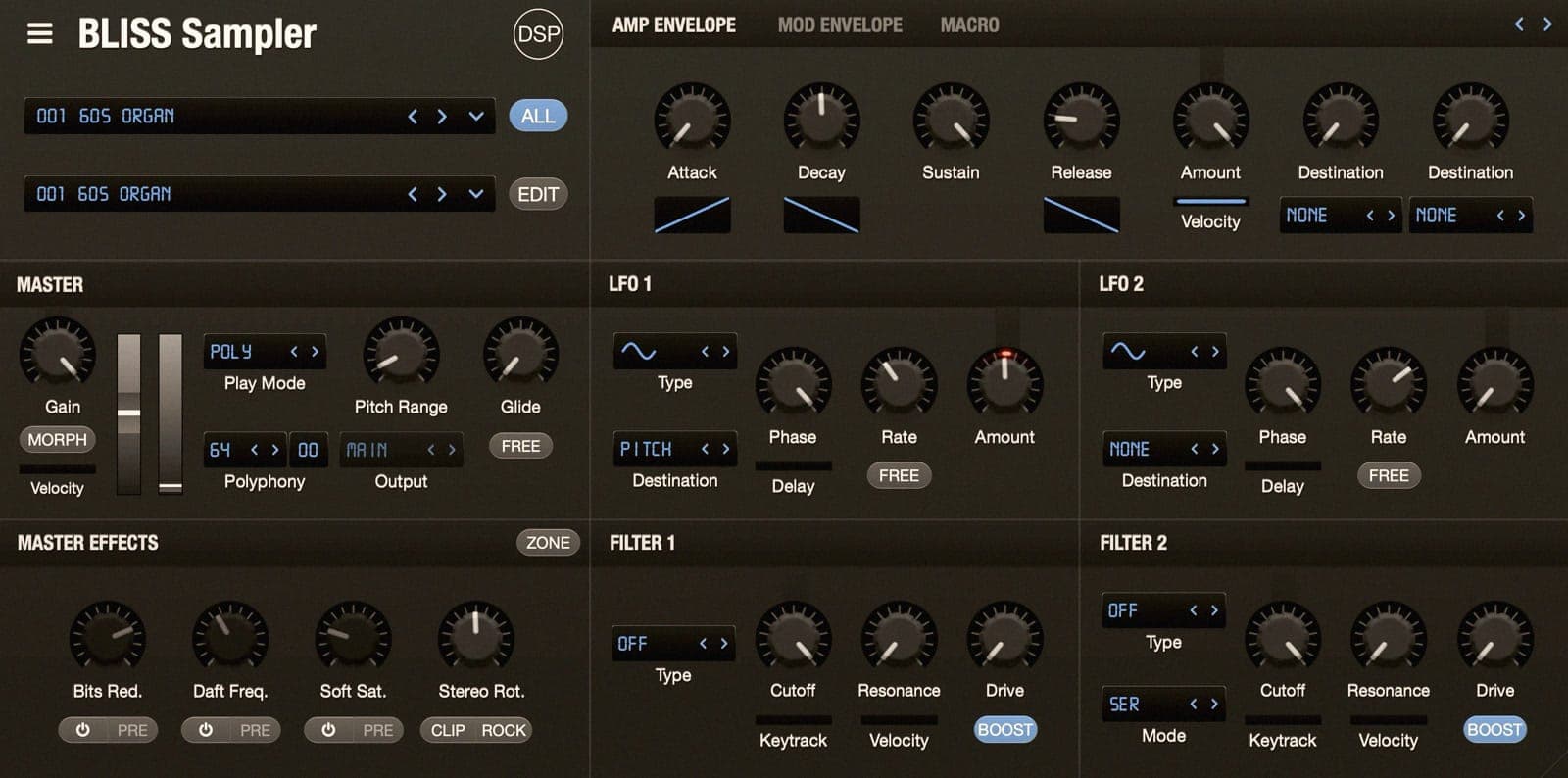
Under the hood, discoDSP built the app around an ARM and Apple Silicon optimized DSP engine using NEON vector instructions, aiming for high polyphony and ultra-low latency, with audio interpolation up to 512-point SINC and 4x oversampling. The toolkit includes an interactive Visual Key Mapper, a full wave editor with seven looping algorithms, dual state-variable filters, a modulation engine with eight macro controls, two tempo-synced LFOs, native MPE support, and SFZ import and export. It runs standalone or as an AUv3 plugin inside other iPad DAWs, and the same build works natively on Apple Silicon Macs.
Why does this matter for the iPad live-rig crowd?
The iPad has quietly become a real option for house and techno producers building DAWless or hybrid live setups, whether that is a full AUM or Drambo session run from a tablet at a gig, or a mobile sketching rig that feeds finished stems into a studio session later. The gap has always been sampling: capturing your own synth patches, hardware recordings or found sounds into something you can actually perform on stage without hauling a laptop.
Auto-sampling AUv3 plugins directly on the tablet removes a real friction point. A producer building a whole set inside iPad synths can now turn any patch into a reusable, playable instrument on the same device, no computer round-trip required. That is a small feature on paper, but it is exactly the kind of workflow gap that decides whether an iPad-only rig is viable for a real gig.