What actually happened at Motel Campo?
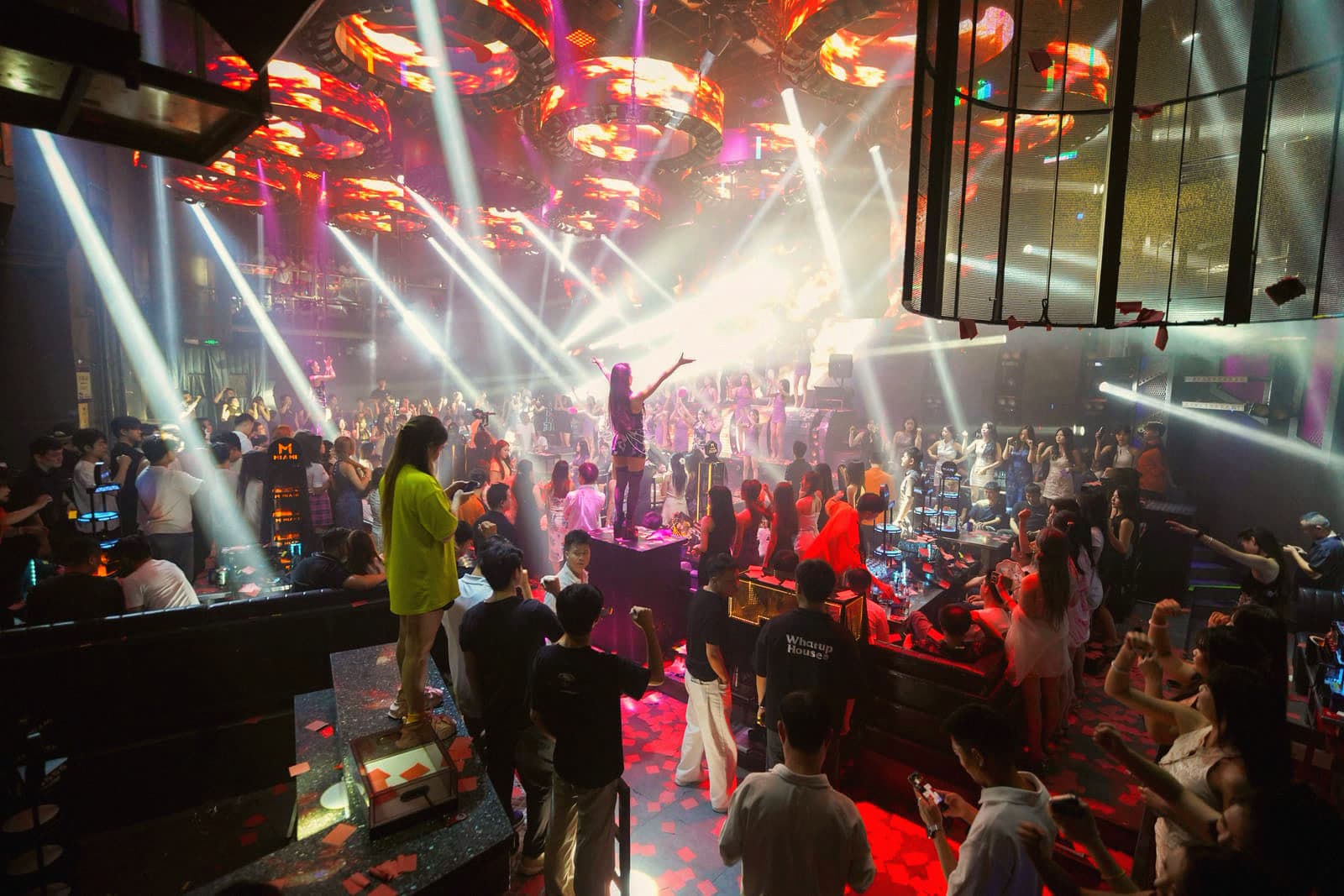
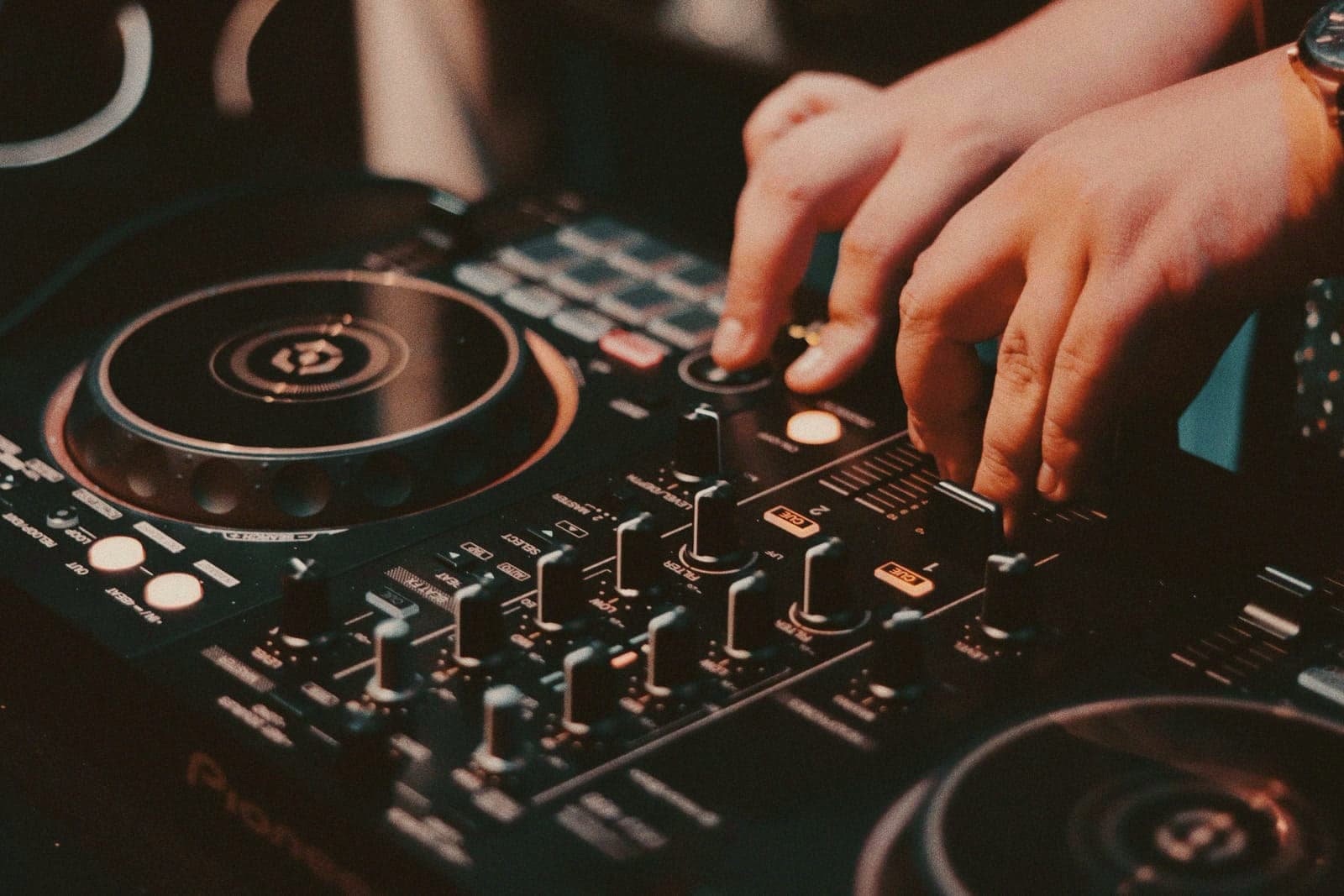
DJ Nobu was mid set at Motel Campo in Geneva on September 5, 2026, when the booth stopped being a booth and turned into open floor space. Fans reached across the decks to touch his USB drives, climbed up next to him for selfies, and pointed phone lights straight at his face while he was trying to read the room. According to Resident Advisor's report, Nobu stopped the music, took the mic, and told the crowd directly that the way they were treating the booth and the dancefloor was "no longer normal." He warned that this kind of behavior can wreck a club's atmosphere for everyone in it. Once he'd said his piece, the energy in the room reset and the set carried on to a positive close.
Why does it take a 20-year veteran to say the obvious?
That's the part worth sitting with. DJ Nobu isn't a newcomer nervous about crowd control, he's spent two decades building a reputation as one of Japanese techno's most serious selectors, the founder of the Bitta label, and a regular booking at rooms like Berghain and fabric that built their whole identity on protecting the booth and the floor from exactly this kind of interruption. If someone with that CV and that track record still has to stop a set to explain basic respect, the unwritten rules that used to police themselves clearly aren't holding in every room anymore.
"No longer normal."
Whose job is it to stop this before the DJ has to?
That's the actual debate here. Berghain staffs the door with camera stickers and ejects anyone caught filming; fabric runs the same no-phone posture. Those are structural fixes, decided by the venue before a single guest walks in, not something an artist has to negotiate live on the night. Motel Campo, on the night in question, apparently had neither the door policy nor the floor staff to keep hands off the gear and phones out of the booth, which left Nobu to do the job himself, mid set, in front of a room he was supposed to just be playing to. Coverage from Clubbing TV pointed out the gap between how loudly the scene reacts to a moment like this and how quietly it reacts to bigger issues on the floor, which is its own argument about where outrage actually gets spent. Either way, phone culture and booth tourism aren't going away on their own, and leaving individual DJs to enforce the room's culture mid-performance is not a fix, it's a symptom.