Why does DJ Zinhle own the whole stage, not just play it?
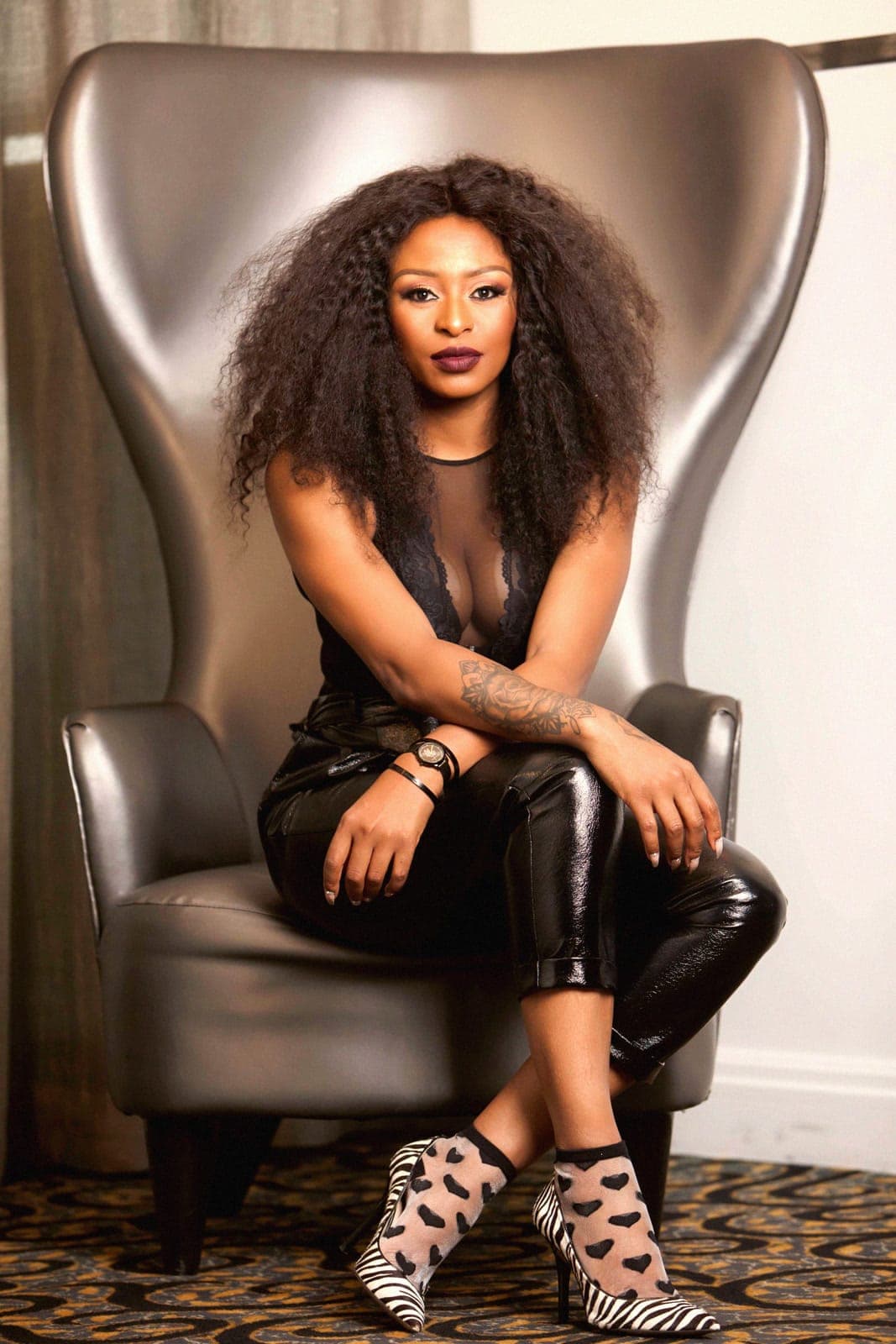
DJ Zinhle built Zee Nation Fest herself, and on August 9, 2026 she ran its third edition at the Johannesburg Expo Centre in Nasrec, doors 2:30pm to 1am. That distinction matters in a scene where booking power usually sits with agencies and promoters, not with the DJs on the bill. Zinhle is both: she plays the set and she signs the checks, which means she decides who else gets the stage.
This year she put kwaito godfather Professor next to amapiano and gqom-rooted names DJ Tira, Oskido, Kamo Mphela, Masterpiece and Pcee. That's not a nostalgia slot bolted onto a young lineup, it's a curatorial call about lineage: South Africa's current dance floor sound doesn't exist without the genre Professor helped define in 1990s Johannesburg townships.
How does the bill bridge kwaito and amapiano?
Kwaito slowed house down and localized it in the 1990s; amapiano sped part of that back up in the 2010s with jazzy piano stabs and the log drum. Putting Professor on the same day as Tira, Oskido, Kamo Mphela and Pcee draws a straight line between the two eras rather than treating them as separate. Oskido in particular has spent three decades as a kingmaker in South African house and kwaito through Kalawa Jazmee, so his presence on a bill Zinhle controls is itself a statement about who holds the keys now.
What does "Rodeo Cowgirl" mean this year?
The 2026 theme, staged on South African Women's Day, was built around women's resilience, independence and creative control, per organizers. It's consistent with what the festival already does structurally: a woman owns the event, picks the lineup and sets the terms, in a genre where the biggest stages are still mostly booked by men. Actress and media personality Pearl Thusi also featured on the bill, alongside the DJs.