Who actually invented the remix?
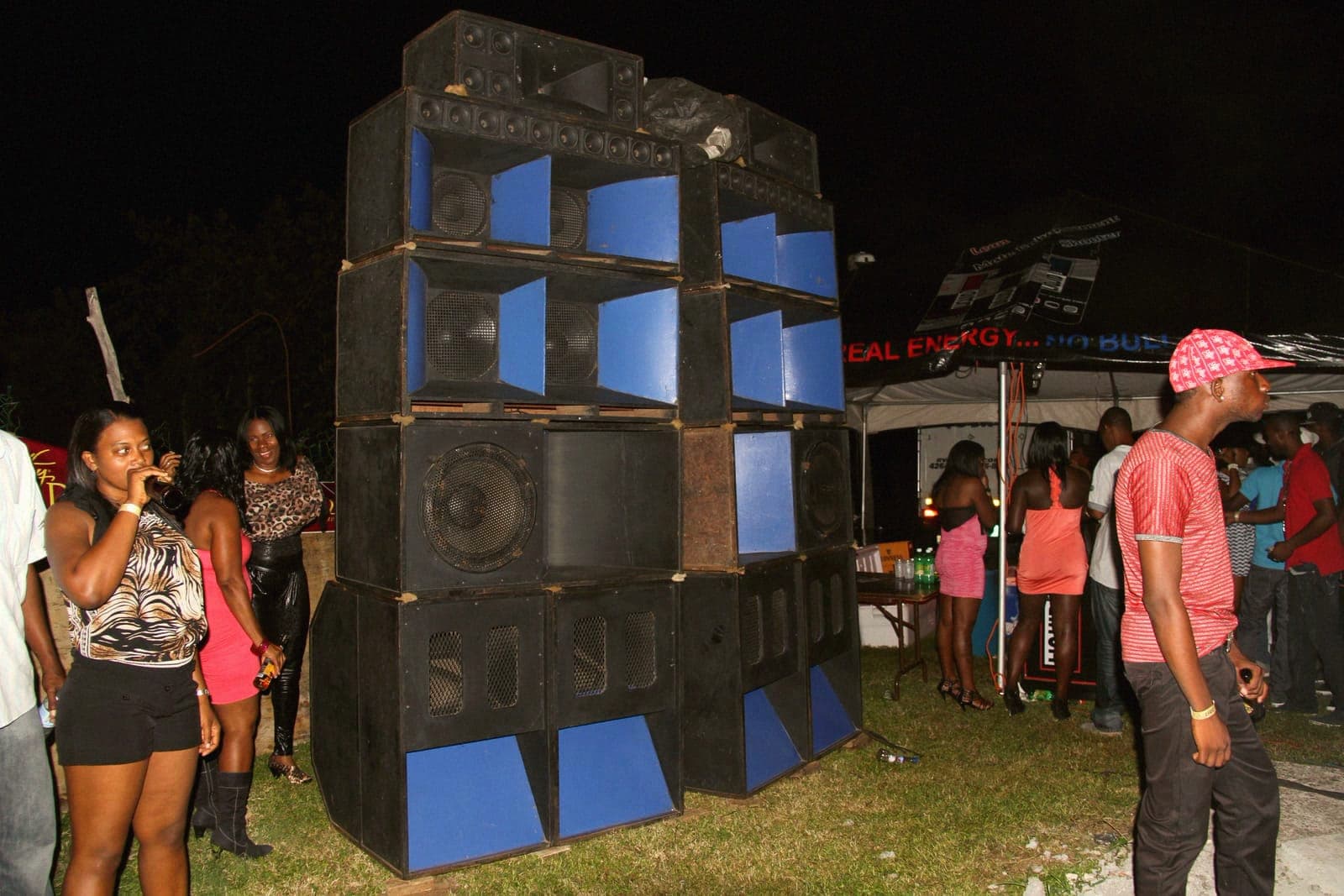
Before the word existed, before a DJ ever cued a second copy of a record, someone in Kingston pulled a finished reggae tune apart on the mixing desk and rebuilt it as something else. That someone, most often, was King Tubby, working alongside Lee "Scratch" Perry, Prince Jammy and Scientist. They dropped out the vocal, drenched the snare in reverb, cut the bass loose and let echo trail off into space. David Katz's new book puts a name to what they did: the birth of remix culture.
The idea underneath it is the one that runs the whole modern floor. A recording is not a fixed object, it is raw material. You can strip it, version it, rebuild it, and the rebuild is its own record. Katz calls this the birth of the version, and once you hear it that way the mixing desk stops being a place where songs get finished and becomes an instrument in its own right.
Why does this land as a house and techno story?
Everything a DJ or producer does when they remix, edit, dub out or press a dubplate was invented here first. The drop, the long instrumental break, the vocal that surfaces once and vanishes, the reverb tail you can feel in your chest: dub got there decades before the club did. When a techno producer builds a track as a skeleton of kick and space and delay, that is dub logic. When a house edit strips a disco record to its bones and lets the reverb breathe, that is Tubby's move, translated.
Without dub there would be no hip-hop and no house. The book makes that lineage the spine, not a footnote.
The sound did not stay on the island. It travelled with the Jamaican diaspora: to New York through figures like Lloyd "Bullwackie" Barnes, and to the UK through Dennis Bovell, Mad Professor and Adrian Sherwood, where post-punk swallowed it whole and passed it on to the dancefloors that followed.
What does the book add that a playlist can't?
Katz has spent a career writing about reggae, and Dub Revolution reads like it. It sets the music inside the political and cultural pressure it came from, not as trivia but as the reason the sound turned out the way it did. There are interviews with the people who were in the room. It is a history for heads who already love the records and want to know how the trick was really done, and by whom.