Why is Insomniac going to Medellín?
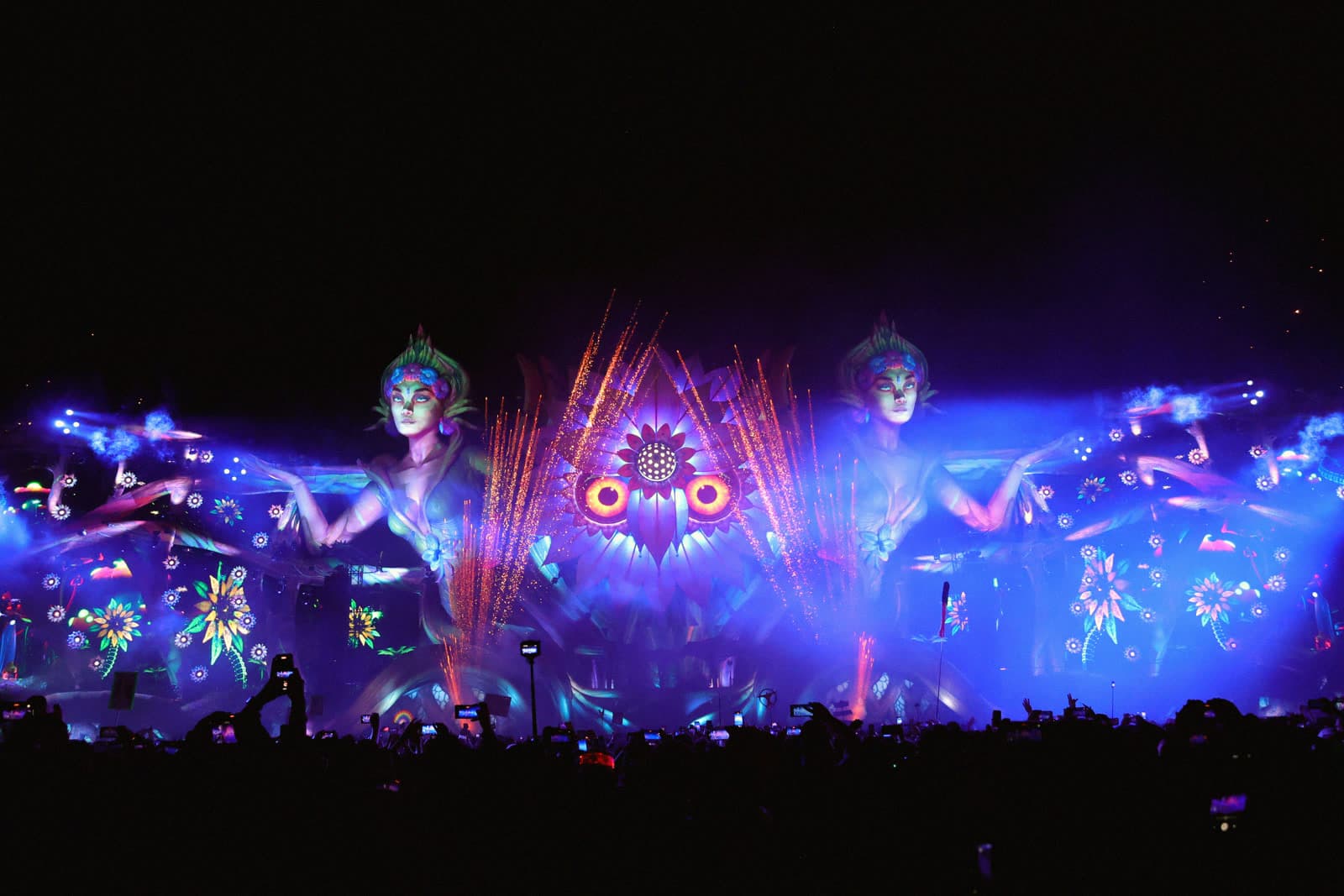
The biggest brand in American dance music is no longer betting only on Las Vegas, Orlando and Mexico City. With Insomniac putting its flagship Electric Daisy Carnival in Medellín for the first time, the message is clear: the next decade of festival growth runs through Latin America, and Colombia is now a headline market, not a tour stop.
Insomniac is not doing it alone. The debut is produced with Páramo Presenta, the Bogotá promoter that has spent years building Colombia's live-music infrastructure, and it lands at the Unidad Deportiva Atanasio Girardot, the sports complex at the heart of Medellín. Bringing a local partner in is the difference between parachuting a US format into a new city and actually plugging into the scene that already exists there.
Is the underground really in the room?
This is where the lineup earns a second look. The headline tier is exactly what you expect from EDC, big-room names like Alesso, Deadmau5 and Kaskade. But scroll down and the curation gets serious. Richie Hawtin, ARTBAT, Boris Brejcha, Nico Moreno and 999999999 carry the techno end, and Insomniac is shipping in three of its own underground-leaning brands: Factory 93, the trance-focused Dreamstate, and Time Warp, the German institution that does not lend its name lightly.
A US festival giant can land anywhere. Whether it leaves a real underground room behind, or just a token stage, is the part that matters.
House and tech house get their own deep bench, Armand Van Helden, LP Giobbi, HoneyLuv, Dombresky, DJ Holographic and Pachanga Boys, and crucially the bill makes space for a local: Colombian producer Felipe Gordon, whose live-instrument house has become one of the country's best exports. That single booking says more about intent than any headliner.